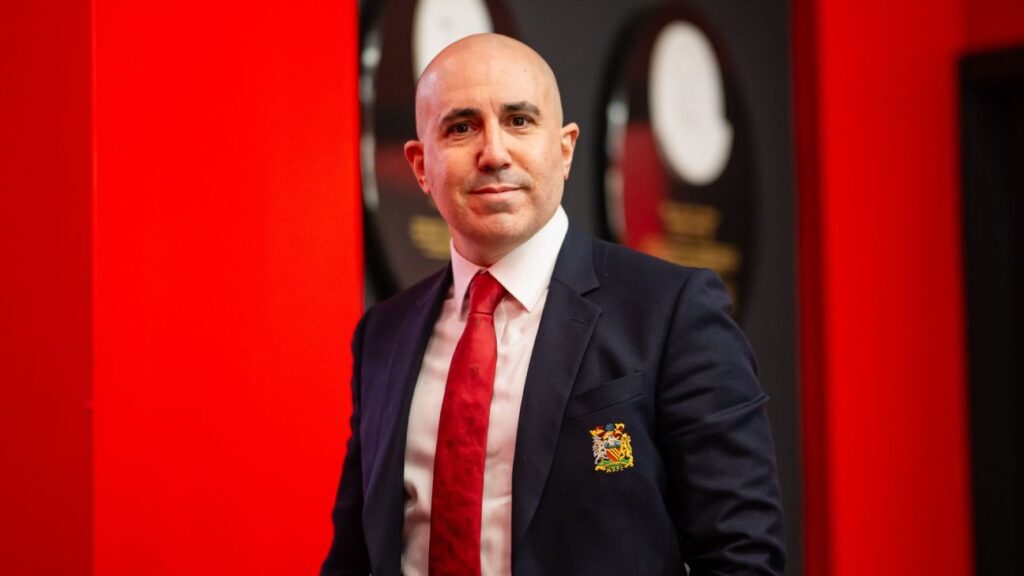
Manchester United records £700m revenue 2026, CEO Omar Berrada pledges money discipline
Financial backdrop and recent losses
Manchester United has long been one of the Premier League’s most valuable brands, yet its balance sheets have shown a recurring pattern of operating deficits. The 2024‑25 fiscal year ended with a reported loss of £73.8 million, driven by high wages, under‑performing commercial deals and a transfer‑spending binge that failed to translate into trophies. The club’s previous record revenue of £657 million, posted in 2022‑23, was eclipsed only after a series of global marketing pushes and a modest rise in broadcasting income.
The financial strain intensified after the 2023‑24 season, when United missed out on Champions League qualification for the first time in a decade, slashing expected prize money by roughly £50 million. Shareholder pressure grew as the Glazer family’s leveraged ownership model left the club with a debt load exceeding £500 million. Against this backdrop, the new chief executive, Omar Berrada, has positioned fiscal prudence as the cornerstone of the club’s recovery plan.
Record revenue announcement and Berrada’s money‑discipline mantra
In a polished earnings call on 22 September 2026, United disclosed a headline‑grabbing £700 million in total revenue – the highest in the club’s history. The surge stemmed largely from a 12 percent lift in commercial partnerships, a 7 percent jump in match‑day earnings despite a reduced stadium capacity, and a modest 3 percent rise in broadcasting fees. Berrada stressed that the figure does not signal a return to reckless spending; instead, it reflects a “sustainable growth model” that aligns income with a disciplined transfer budget.
Speaking to the press, Berrada said the summer transfer window would be guided by “financial sustainability in mind”, a phrase that mirrors the club’s recent commitment to UEFA’s Financial Fair Play (FFP) regulations. He hinted that United would avoid splashing out on marquee signings unless the club could justify the expense through on‑field performance and resale value, a stance that has drawn both applause and skepticism from analysts.
Why the numbers matter for the club and the league
The record revenue is more than a vanity metric; it reshapes United’s negotiating power in several arenas. First, a healthier cash flow gives the board leeway to invest in infrastructure – such as upgrading the training complex at Carrington – which can improve player development and reduce reliance on costly external transfers. Second, it strengthens United’s position in future broadcasting negotiations, where the Premier League’s domestic rights pool is expected to exceed £5 billion by 2028.
For the league as a whole, United’s financial turnaround could serve as a bellwether for other historically big‑spending clubs that have struggled with debt. If United can couple revenue growth with disciplined spending, it may set a precedent that encourages a more balanced competitive landscape, potentially curbing the widening gap between the “top‑six” and the rest of the division.
African implications: scouting, market growth and diaspora fans
United’s renewed focus on fiscal discipline dovetails with a strategic pivot toward untapped talent pools, especially across Africa. The club’s scouting network, already active in Nigeria, Ghana and Senegal, is expected to receive a modest budget increase to identify high‑potential players who can be acquired for lower transfer fees and later sold at profit – a model that mirrors the success of clubs like Borussia Dortmund. Sources close to the club say that United’s academy partnership in Lagos will be expanded, offering a clearer pathway for African youngsters to reach Old Trafford.
Commercially, the revenue surge is partly attributable to a new kit sponsorship deal with a South‑African fintech firm, which launched in early 2026 and has already boosted United’s brand visibility on the continent. The partnership includes grassroots programmes in Kenya and Tanzania, aligning the club’s community outreach with its financial objectives. For the diaspora, especially in the UK and the US, the promise of more African‑born United players could reignite fan engagement and drive merchandise sales, creating a virtuous cycle of revenue and representation.
Reactions from fans, analysts and investors
Supporter groups have greeted the revenue news with cautious optimism. While many welcome the prospect of a financially stable United, they remain wary of any strategy that could limit the club’s ambition to sign world‑class talent. A Manchester United supporters’ forum quoted a long‑time fan as saying, “We need money, but we also need trophies – the balance is delicate.”
Financial analysts, such as those at Bloomberg and KPMG, have downgraded the club’s risk profile, noting that the improved cash position reduces the likelihood of a credit rating downgrade. However, they also warned that the club’s share price could stall if the “money‑discipline” mantra translates into a thin transfer window, potentially alienating a fan base accustomed to high‑profile signings.
What comes next: transfer strategy and long‑term outlook
The summer window, which opens on 1 July 2026, will be the first real test of Berrada’s disciplined approach. Insiders suggest United is targeting a handful of under‑the‑radar players – including a 19‑year‑old forward from the Ghana Premier League – rather than splashing out on a single marquee star. The club is also rumored to be negotiating a loan deal for a promising Nigerian midfielder, a move that could satisfy both performance needs and the club’s African scouting agenda.
Looking ahead, United’s board has pledged to reinvest a portion of the record revenue into a “sustainable growth fund” that will finance academy upgrades, community projects in Africa and modest wage caps. If the model proves successful, it could reshape how globally‑brand clubs balance commercial ambition with fiscal responsibility, offering a blueprint that other African‑linked clubs – such as Al Ahly and Kaizer Chiefs – might emulate.
Quick Answers
How much revenue did Manchester United record in 2026?
Manchester United posted a record £700 million in total revenue for the 2025‑26 financial year.
What is CEO Omar Berrada’s plan for the club’s transfer spending?
Berrada says United will adopt a financially sustainable transfer strategy, focusing on affordable talent and avoiding large, risky signings.
How could United’s financial strategy affect African players?
The club plans to expand its scouting and academy partnerships in Africa, creating more pathways for African talent to join United and increasing the club’s market presence on the continent.
Source: www.espn.com




💬 Comments 0