Manchester United sells Old Trafford pitch pieces for £125 each – fans can own a slice of history in 2026
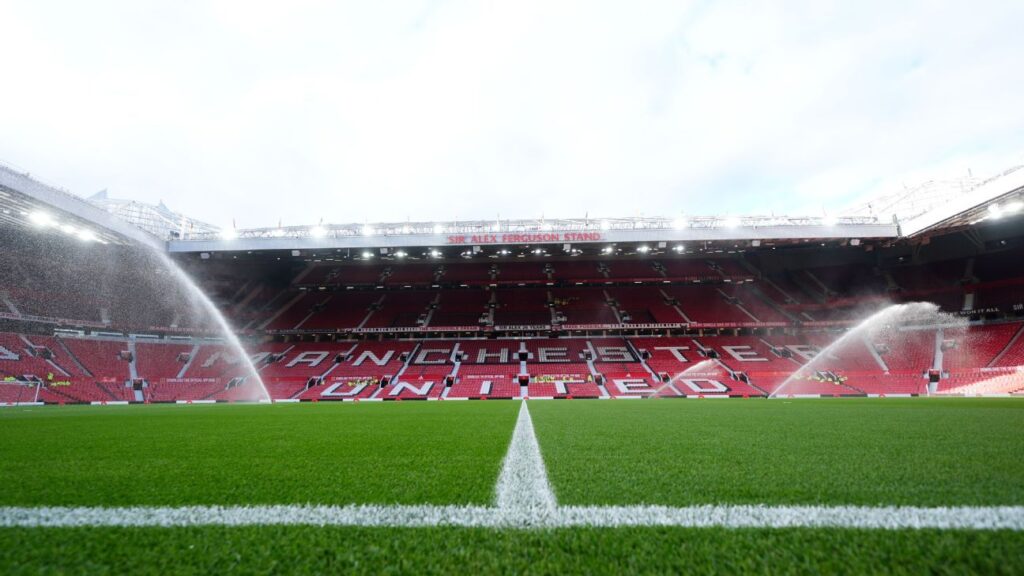
A new kind of souvenir from football’s cathedral
Old Trafford, often called the Theatre of Dreams, has been the backdrop for countless triumphs, heartbreaks and iconic moments since it opened in 1910. In a move that blends nostalgia with modern merchandising, Manchester United announced that supporters can now purchase a genuine fragment of the pitch for £125 (about $165). The club will cut the turf into small, numbered squares, each sealed in a protective frame and accompanied by a certificate of authenticity.
The idea is not entirely unprecedented – clubs have sold pieces of historic kits, stadium seats and even bits of trophy cups – but offering actual grass from a living, active playing surface is a fresh twist. The launch comes as part of United’s broader “Own the Moment” campaign, which aims to deepen fan connection after the pandemic forced stadiums to stay empty for two years.
According to a statement from United’s commercial director, the initiative will run for a limited time, with only 2,000 parcels available. Once sold out, the remaining turf will be repurposed for the club’s community projects, ensuring that the grass continues to serve a purpose beyond the souvenir market.
How the pitch‑piece programme works
Fans can order a piece directly from the club’s online store, where each parcel is listed as “Old Trafford Pitch Slice – Limited Edition”. The price includes a custom‑cut wooden frame, a tamper‑proof acrylic cover and a QR code that links to a short video of the exact spot on the pitch where the grass was harvested. The QR code also records the buyer’s name in a digital ledger, adding a layer of provenance that collectors value.
The grass is harvested during a scheduled maintenance break, typically in early summer when the pitch is relaid. United’s groundskeeping team carefully extracts a 10 cm by 10 cm square from a location that has not been directly involved in a match‑day incident, to preserve the integrity of the playing surface. The club has assured supporters that the removal will not affect the pitch’s performance, thanks to the use of advanced turf‑reinforcement technology.
Payment is processed through the club’s secure e‑commerce platform, and buyers receive a tracking number for shipping. Shipping is handled by a specialist art‑logistics firm to minimise damage, and the parcels are insured for their full value during transit. The initiative also offers a “gift‑option”, allowing fans to send a piece to friends or family, complete with a personalised message from the club.
Why selling turf matters for the club and its supporters
From a financial perspective, the programme provides United with a modest but tangible revenue stream at a time when traditional match‑day income has yet to fully recover. Even at £125 per piece, selling all 2,000 parcels would generate £250,000 – a sum that can be earmarked for youth development or community outreach, both of which are core to the club’s brand promise.
Beyond the balance sheet, the move taps into a growing appetite for experiential memorabilia. Fans no longer want just a printed shirt; they crave items that tell a story they can physically hold. The tactile nature of a real grass slice, combined with the digital QR link, creates a hybrid product that satisfies both the collector’s eye and the tech‑savvy fan’s desire for provenance.
The initiative also reflects a broader shift in football merchandising toward limited‑edition drops that mimic streetwear culture. By releasing a finite number of pieces, United creates scarcity, which drives demand and social media buzz. The club’s official accounts have already seen a spike in user‑generated content, with owners posting unboxing videos and tagging the club, amplifying the campaign’s reach without additional ad spend.
What it means for African fans and the diaspora
Manchester United enjoys one of the largest fan bases across Africa, with Nigeria, Ghana, Kenya and South Africa counting millions among their supporters. The pitch‑piece programme is therefore likely to attract interest far beyond the UK, especially as the club’s online store ships internationally. For many African fans, owning a fragment of Old Trafford is a status symbol that transcends geographic distance.
Local retailers in major African cities have already begun to act as intermediaries, offering payment‑on‑delivery options that bypass the need for a credit card – a common barrier for online purchases on the continent. This creates a new revenue channel for small businesses and highlights how European clubs can indirectly stimulate African e‑commerce ecosystems.
Moreover, the initiative may inspire African clubs to explore similar concepts. Teams such as Al Ahly, TP Mazembe and Kaizer Chiefs have massive stadium followings but limited merchandising infrastructure. If United’s pilot proves profitable and culturally resonant, it could spark a wave of “own‑the‑ground” campaigns that celebrate local stadium heritage while generating funds for community programmes.
Future directions – NFTs, more stadiums and a new monetisation model
Industry observers suggest that United’s pitch‑piece launch could be the first step toward a hybrid physical‑digital collectible strategy. The QR code already links to a short video, but the club could soon issue a paired non‑fungible token (NFT) that records ownership on a blockchain, offering a verifiable digital twin of the physical slice. Such a model would appeal to crypto‑savvy fans and could open secondary‑market royalties for the club.
Other Premier League giants are watching closely. Reports indicate that Liverpool and Arsenal are evaluating whether to sell sections of their own playing surfaces, while clubs in the United States’ Major League Soccer have experimented with “field‑tile” NFTs. The success of United’s limited‑edition run may set a benchmark for pricing, scarcity and fan‑engagement tactics across the sport.
In the longer term, the concept could evolve into stadium‑wide experiences, where fans purchase a “seat‑share” that grants them a virtual view of a specific row on match day, combined with a physical token. This would dovetail with the growing trend of hybrid ticketing, where clubs blend live attendance with digital participation for fans who cannot travel. For African supporters, such innovations could finally bridge the gap between supporting a club from afar and feeling a tangible presence in the stadium.
Quick Answers
How much does a piece of Old Trafford pitch cost?
Each numbered slice of the Old Trafford pitch is sold for £125, roughly $165.
Can fans outside the UK buy the pitch pieces?
Yes, Manchester United ships the framed turf internationally, and local retailers in Africa are already offering payment‑on‑delivery options.
What does the QR code that comes with the pitch slice do?
Scanning the QR code shows a short video of the exact spot where the grass was cut and records the buyer’s ownership in a digital ledger.
Source: www.espn.com




💬 Comments 0