Maradona ‘Hand of God’ ball sells for $3.35 million, $5 million below estimate – 2026 auction
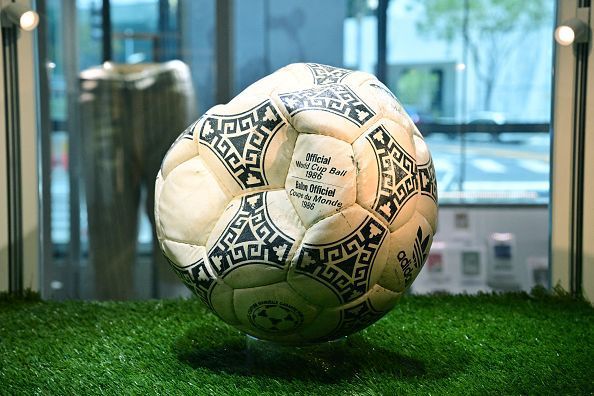
From the pitch to the auction block
The leather sphere that Diego Maradona nudged past England’s goalkeeper in the 1986 World Cup quarter‑final has travelled a long way since the infamous "Hand of God" moment. After being preserved by the Argentine star’s family for decades, the ball entered the market through a specialist sports‑memorabilia auction house, which promoted it as a once‑in‑a‑generation artefact.
The auction catalogue listed the ball with a pre‑sale valuation of around $6.8 million, a figure that reflected both the historic significance of the match and the rarity of a match‑used ball that survived in near‑original condition. Bidders from Europe, North America and Asia were invited to view the item in a private exhibition before the online bidding opened in early June 2026.
When the hammer finally fell, the winning bid settled at $3.35 million, roughly half of the expected price. The buyer, whose identity remains confidential, reportedly intends to display the ball in a private collection that will rotate between major football museums worldwide.
Why the price fell short of expectations
Analysts point to several factors that likely dampened enthusiasm. First, the provenance of the ball, while solid, could not be independently verified beyond the family’s testimony, leaving some high‑net‑worth collectors wary of potential authenticity disputes.
Second, the global memorabilia market has seen a correction in recent years. After a boom in 2020‑2022, driven by pandemic‑induced wealth and a surge in sports‑related NFTs, auction houses have reported a 15‑20 % dip in average selling prices for comparable items, according to data from Artprice.
Finally, the political climate surrounding the 1986 match – still a sore point for many English fans – may have reduced the pool of willing buyers. While the goal is celebrated in Argentina, it remains controversial elsewhere, limiting the ball’s universal appeal.
What the sale reveals about the global football memorabilia market
The transaction underscores a shift from pure nostalgia to a more nuanced valuation model that weighs condition, documentation, and market sentiment. Auction houses now employ forensic experts, carbon‑dating labs and even blockchain‑based certificates to reassure buyers, a practice that was rare a decade ago.
Moreover, the rise of digital twins – NFTs that mirror physical artefacts – is reshaping how collectors think about ownership. Some industry insiders suggest that the next generation of high‑profile football memorabilia will be sold as paired physical‑digital packages, allowing owners to showcase a virtual version while preserving the tangible item.
The modest price also hints at a growing appetite for diversification. Collectors are increasingly looking beyond the traditional powerhouses of Europe and South America, eyeing African football heritage as an untapped source of iconic objects that could appreciate as the continent’s football profile rises.
African collectors and the growing appetite for iconic football artefacts
In recent years, African football fans have demonstrated a keen interest in historic memorabilia, driven by the continent’s expanding role on the world stage. The 2022 African Nations Championship in Algeria and the upcoming 2026 World Cup, which will feature three African‑qualified teams, have spurred a surge in local demand for authentic pieces that connect fans to the sport’s mythic moments.
Nigerian entrepreneur and former player Kelechi Okonkwo recently launched a boutique auction platform dedicated to African sports heritage. He notes that "the market for African‑origin football items is still in its infancy, but the appetite is huge, especially among diaspora investors who want a tangible link to their roots," according to an interview with Premium Times.
The Maradona ball’s sale, even at a reduced price, serves as a benchmark for African collectors. It demonstrates that high‑value items can move through global channels, encouraging local museums and private collectors to seek out African‑centric memorabilia – such as the original match‑ball from the 1996 African Cup of Nations or the boots worn by Ghana’s Asamoah Gyan in 2010 – for preservation and public display.
Looking ahead: legacy, digital tokens and the next wave of memorabilia
The story of the "Hand of God" ball is unlikely to end with a single auction. Already, the buyer’s representative has hinted at a partnership with a leading blockchain firm to mint a limited series of NFTs that will accompany the physical ball. This hybrid model could set a precedent for future sales, blending the tactile allure of vintage leather with the traceability of digital ledgers.
For African stakeholders, the development presents both opportunity and challenge. While digital tokens can democratise access – allowing fans across Lagos, Nairobi or Johannesburg to own a fraction of a historic item – they also raise questions about authenticity, royalties and the protection of cultural heritage from speculative bubbles.
As the 2026 World Cup approaches, the convergence of physical memorabilia, digital innovation and a burgeoning African fan base could reshape the economics of football collectibles. Whether the next iconic object will be a ball from an African Cup final or a virtual token tied to a legendary African player remains to be seen, but the market is clearly moving beyond mere nostalgia toward a more sophisticated, globally inclusive ecosystem.
Quick Answers
What is the 'Hand of God' ball?
It is the official match ball Diego Maradona used to score his controversial hand‑ball goal against England in the 1986 World Cup quarter‑final.
How much did the ball sell for at auction?
The ball fetched $3.35 million, about $5 million less than the pre‑sale valuation of $6.8 million.
Why did the sale price fall short of expectations?
Factors include questions over provenance, a broader dip in sports memorabilia prices, and lingering controversy surrounding the 1986 goal.
Source: www.espn.com




💬 Comments 0