María Machado returns to Venezuela after 10‑month exile, crowds greet her in Caracas 2026
Background: Who is María Machado and why she fled
María Machado, a senior figure in Venezuela’s opposition coalition, became one of the most visible critics of President Nicolás Maduro after the 2024 parliamentary elections. She was arrested twice, placed under house arrest, and finally escaped on a small speedboat in March 2026, a move that sparked a wave of protests across the country.
Her exile lasted more than ten months, during which she lived in Colombia and later in Miami, where she continued to lobby international bodies and human‑rights groups. While in exile, Machado coordinated with the Democratic Unity Roundtable (MUD) to keep pressure on the regime, calling for new, free elections and the release of political prisoners.
The dramatic return and the crowds that welcomed her
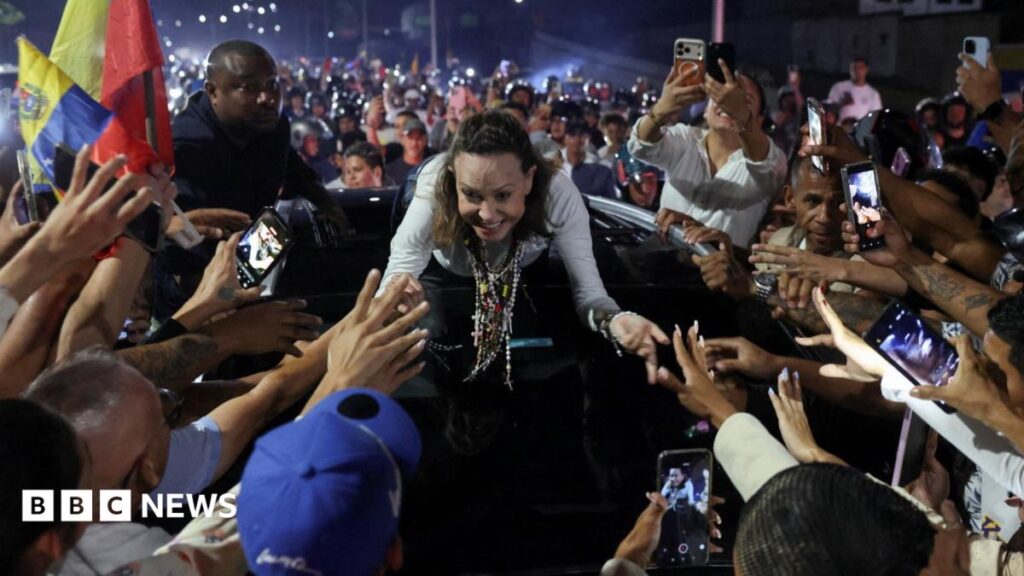
On October 25, 2026, Machado stepped off a private charter at the Simón Bolívar International Airport and was immediately swarmed by a sea of supporters waving Venezuelan flags. The crowd, estimated at several thousand, sang opposition anthems and shouted slogans demanding democratic reforms.
She addressed the gathered crowd from a makeshift stage, saying that her return was “a message that the spirit of resistance cannot be exiled.” Reporters noted that security forces kept a cautious distance, but no arrests were made, a sign that the government may be recalibrating its tactics in response to growing public pressure.
Why the comeback matters for Venezuela’s political landscape
Machado’s homecoming revives a fragmented opposition that has struggled to present a unified front since the 2023 crackdown on dissent. Analysts say her presence could re‑energize grassroots mobilization and give the MUD a credible spokesperson ahead of the 2028 presidential election, which many see as a potential turning point.
Internationally, her return is being watched closely. The United States and the European Union have signaled a willingness to lift some sanctions if credible steps toward free elections are taken. Machado’s ability to negotiate with both domestic activists and foreign diplomats could become a bargaining chip for the opposition in any future talks with Maduro’s government.
The African connection: oil markets, diplomatic ties and diaspora reactions
Venezuela’s oil output, though diminished by sanctions, still influences global crude prices, especially for African importers such as Nigeria, Angola and South Africa that rely on diversified supply sources. A potential political opening in Caracas could lead to a gradual easing of U.S. sanctions, making Venezuelan crude more accessible to African refineries that have been looking for cheaper alternatives to Middle‑East oil.
Beyond economics, the Venezuelan diaspora in Africa—particularly in Ghana’s Accra and Kenya’s Nairobi—has been vocal on social media, celebrating Machado’s return as a sign of hope for democratic change. Community leaders there have organized viewings of her airport speech, arguing that a democratic Venezuela would strengthen South‑South cooperation on issues like renewable energy and food security.
What comes next: possible scenarios for the opposition and the regime
Political scientists outline three likely pathways. The first is a negotiated transition, where Machado and other opposition figures secure a timetable for new elections in exchange for a limited rollback of sanctions. The second scenario sees a hardening of Maduro’s stance, using the return as a propaganda tool while tightening security around opposition hubs. The third, less likely but still possible, involves a split within the opposition, with Machado’s resurgence prompting rival factions to vie for leadership.
For ordinary Venezuelans, the immediate concern is whether the surge of enthusiasm can translate into concrete actions—street protests, voter registration drives, or legal challenges to the 2024 election results. As the country heads into a harsh winter season, humanitarian NGOs warn that any political instability could exacerbate food shortages, a reality that will test the resilience of both the opposition’s organizing capacity and the government’s willingness to concede ground.
Quick Answers
Why did María Machado leave Venezuela in 2026?
She fled on a speedboat after facing renewed arrest warrants and threats of imprisonment from Maduro’s security forces.
How might Machado’s return affect African oil imports?
If her return leads to easing U.S. sanctions, Venezuelan crude could become a cheaper, alternative supply for African refineries that currently depend on Middle‑East oil.
What are the chances of new elections in Venezuela after her comeback?
Analysts say there is a modest chance that international pressure and a revitalized opposition could push Maduro toward agreeing to a new electoral timetable before 2028.
Source: www.bbc.co.uk
💬 Comments 0