Pope Francis diary claims he saw the devil three times – implications for Catholics in 2026
Background: a pontiff’s private journal goes public
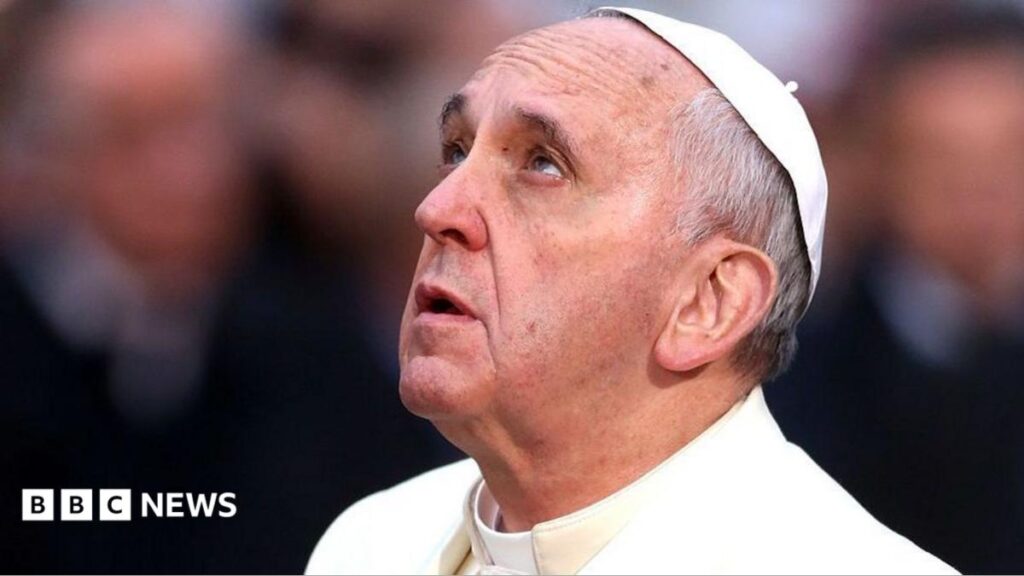
Since the death of Pope Francis in December 2025, a trove of his personal notes has been examined by biographers, journalists and Vatican archivists. The diary, kept in a modest leather bound notebook, was never intended for publication, but excerpts have gradually emerged through a series of authorized releases coordinated by the Vatican’s Secretariat of State.
The most sensational excerpts describe three moments when the Pope believed he literally saw the devil. One of those visions, according to the published pages, occurred “in the choir loft” while he was celebrating Mass. The language is stark and unadorned, suggesting the entries were written in the heat of the moment rather than as theological reflection.
The diary revelation: what the entries actually say
The extracts, released by the Catholic News Agency on November 20, 2026, quote the late pontiff writing: “In the choir loft, a dark figure appeared, its eyes like burning coals. I felt an overwhelming sense of evil, yet I remained in prayer.” Two similar passages describe encounters in a private chapel in the Vatican Gardens and during a night vigil in the Sistine Chapel.
The Pope never provided a public explanation for these visions, and Vatican officials have described the diary as a “personal spiritual record” rather than an official doctrinal statement. Nonetheless, the vividness of the language has sparked debate among theologians about whether the entries reflect literal supernatural experiences, metaphorical struggles with personal doubt, or a blend of both.
Why it matters for the global Catholic Church
The revelation touches on a long‑standing tension within Catholicism: the balance between mysticism and rationalism. Pope Francis was known for his emphasis on mercy, social justice and a pastoral style that often sidestepped traditional scholasticism. A diary that records direct encounters with evil forces challenges the image of a pontiff who consistently framed sin in social‑economic terms rather than supernatural ones.
Moreover, the timing is crucial. The Church is navigating a post‑pandemic world, dealing with declining attendance in Europe, a surge of growth in Africa and Latin America, and increasing scrutiny over clerical abuse scandals. A narrative that foregrounds personal spiritual warfare could re‑energize charismatic and Pentecostal‑inspired movements within Catholicism, while also raising concerns among more rationalist factions that fear sensationalism could distract from the Church’s reform agenda.
African Catholic context: how the diary may reverberate on the continent
Africa now hosts more than half of the world’s Catholics, with Nigeria, the Democratic Republic of Congo and Uganda among the fastest‑growing dioceses. In many African parishes, belief in tangible spiritual battles—between saints, angels and demonic forces—is woven into everyday preaching and liturgical practice.
If the Pope’s personal account of seeing the devil is taken as a validation of such beliefs, it could strengthen the authority of African bishops who already incorporate exorcism and deliverance ministries into their pastoral work. Pastors in Lagos, for instance, have long taught that the devil’s presence is a daily reality, and a papal confession would likely be cited in sermons, radio programmes and social‑media sermons to bolster those teachings.
Conversely, the diary could also fuel criticism from African Catholic intellectuals who advocate for a more socially‑oriented theology. Scholars at the Catholic University of Eastern Africa in Kenya have warned that an over‑emphasis on demonic imagery might divert attention from pressing issues like poverty, climate change and political instability that affect their congregations.
Looking ahead: possible repercussions and next steps
The Vatican has announced a commission of theologians and psychologists to study the diary entries, aiming to produce a “pastoral guideline” on how to address personal visions of evil without compromising doctrinal clarity. The commission’s findings are expected by mid‑2027 and could shape seminary curricula worldwide.
In the short term, the revelation is already influencing liturgical calendars. Several African dioceses have scheduled special Masses dedicated to “the triumph over darkness,” featuring music and homilies that reference the Pope’s visions. Meanwhile, Catholic media outlets in Europe are debating whether to feature the diary as evidence of a “mystical” papacy or to treat it as a private coping mechanism during a demanding pontificate.
For ordinary believers, the story may simply serve as a reminder that even the most visible spiritual leaders grapple with doubt and fear. Whether that leads to deeper prayer, renewed skepticism, or a shift in how the Church talks about evil will become clearer as the Vatican’s review unfolds.
Quick Answers
Did Pope Francis really see the devil three times?
According to excerpts from his private diary released in November 2026, he recorded three separate moments when he believed he saw a dark figure he described as the devil.
How might the diary affect African Catholic churches?
The accounts could reinforce existing beliefs in spiritual warfare, prompting African bishops to emphasize exorcism and deliverance ministries while also sparking debate among theologians about pastoral focus.
What is the Vatican doing about the diary revelations?
The Vatican has set up a commission of theologians and psychologists to examine the entries and issue guidance on how the Church should address personal visions of evil.
Source: www.bbc.co.uk
💬 Comments 0