Maro Itoje condemns win‑at‑all‑costs culture after Sandpapergate scandal – impact on England and African rugby in 2026
The Sandpapergate fallout: a quick recap
In early November 2026, the International Rugby Board opened an investigation into allegations that South Africa’s Springboks used sand‑paper to alter the surface of the match ball during the Rugby World Cup quarter‑finals. Video analysis and whistle‑blower testimony suggested that a ball‑preparation kit containing abrasive material had been introduced in the South African dressing room, prompting a formal charge of ball‑tampering – a breach of Law 8.4. The incident, quickly dubbed “Sandpapergate”, led to a six‑month suspension for the implicated equipment manager and a fine of £250,000 for the South African Rugby Union (SARU).
The scandal reverberated beyond the tournament itself. England’s senior players, including lock Maro Itoje, were forced to comment publicly as the English Rugby Football Union (RFU) faced pressure to distance itself from any perceived endorsement of gamesmanship. Media outlets across the UK and South Africa ran daily analyses of the ethical breach, while fans on social media debated whether the punishment was proportionate to the offence. The incident also reignited discussions about the adequacy of current anti‑tampering protocols in the sport.
Beyond the immediate disciplinary action, the fallout raised questions about the culture that permits such behaviour. Former England captain Owen Farrell, speaking to the BBC, suggested that “a win‑at‑all‑costs mindset has seeped into the professional game and is now surfacing in the most public ways”. This sentiment set the stage for Itoje’s later remarks, positioning the issue as a symptom of a deeper problem within elite rugby.
Itoje’s warning: why it matters for England’s squad
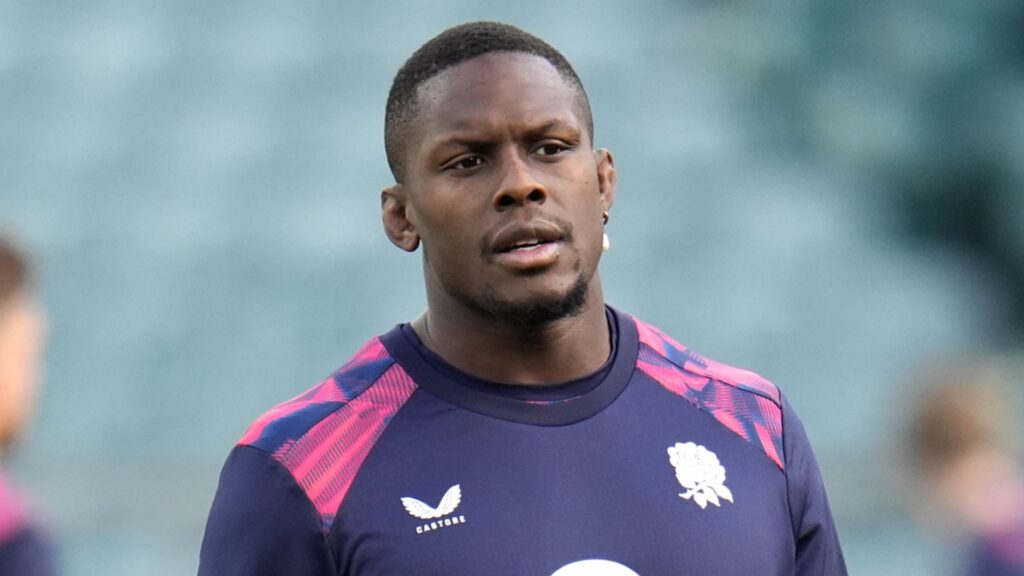
During a post‑match interview on 15 November, Maro Itoje told Sky Sports that the England team must reject any culture that celebrates victory above integrity. He said, “We are proud of our heritage, but we can’t let a win‑at‑all‑costs attitude define us. It erodes trust with fans and undermines the spirit of the game.” Itoje’s comments were notable because he is one of the most vocal senior players in the squad and has previously spoken about player welfare and mental health. His stance therefore carries weight both on and off the field.
Analysts see Itoje’s remarks as a strategic move to protect the RFU’s brand ahead of the 2027 Rugby World Cup, which will be hosted by Australia. The RFU has been negotiating lucrative broadcast deals with African satellite networks, and any perception of ethical laxity could jeopardise those contracts. Moreover, sponsors such as HSBC and BT Sport have clauses tied to “ethical conduct”, meaning a continued scandal could trigger financial penalties or loss of partnership. Itoje’s public distancing therefore serves a dual purpose: safeguarding the team’s moral reputation and protecting its commercial interests.
Critics, however, argue that Itoje’s statements may be more symbolic than substantive. A former England coach, according to The Guardian, warned that “players can speak about ethics, but real change only happens when the governing bodies rewrite the rule‑book and enforce stricter penalties”. The tension between player advocacy and institutional inertia will shape how England’s culture evolves over the next year.
A wider pattern: gamesmanship across sports
Sandpapergate is not an isolated incident. In 2018, Australian cricket faced the infamous “ball‑tampering” scandal involving Steve Smith and Cameron Bancroft, which led to a 12‑month ban for Smith and a broader debate about the pressure to win. More recently, football’s “VAR abuse” controversies have highlighted how teams manipulate technology to gain advantage. These episodes reveal a recurring theme: elite athletes and support staff feel compelled to bend rules when the financial and patriotic stakes are high.
Scholars of sport ethics point out that the commercialisation of rugby over the past two decades has amplified this pressure. A 2025 study by the University of Pretoria’s Centre for Sports Governance found that leagues with higher broadcast revenues showed a 27% increase in reported integrity breaches. The authors argue that the “win‑or‑lose” narrative, amplified by media hype and fan expectation, creates an environment where unethical shortcuts become tempting.
The pattern also underscores the role of whistle‑blowers and investigative journalism. In the Sandpapergate case, an anonymous tip to the International Rugby Board triggered the probe, mirroring how the 2023 cricket scandal broke after a former player leaked evidence. These mechanisms are increasingly vital in a sport where internal oversight can be compromised by loyalty or fear of retribution.
African rugby’s stake: why the scandal matters on the continent
South Africa remains the most successful African rugby nation, boasting four Rugby World Cup titles and a fan base that stretches from Lagos to Nairobi. The Sandpapergate scandal therefore resonated deeply across the continent, where the Springboks are both a source of pride and a commercial powerhouse. According to a 2026 market report by PwC Africa, South African rugby accounts for roughly 18% of the continent’s total sports‑media revenue, largely driven by broadcast rights sold to DStv and StarTimes.
The fallout threatened to destabilise those revenue streams. SARU’s sponsor, Vodacom, reportedly threatened to review its partnership pending a transparent investigation, while local broadcasters warned that a loss of credibility could affect viewership numbers in key markets such as Kenya and Ghana. Moreover, the scandal sparked a wave of debate among African rugby administrators about the adequacy of existing anti‑tampering protocols, prompting the Confederation of African Rugby (CAR) to announce a review of its own compliance framework.
Diaspora communities in the United Kingdom, Canada, and the United States also felt the impact. Many British‑based Nigerian and Ghanaian fans, who follow both England and South Africa, expressed disappointment on Twitter, with hashtags like #RugbyIntegrity trending across African social media circles. The conversation highlighted how African fans, though geographically distant, are deeply invested in the ethical standards of the sport that represents a major part of their cultural identity.
What’s next: reforms, tournaments, and fan expectations
In response to the scandal, World Rugby announced a new “Integrity Taskforce” in early December 2026, tasked with tightening ball‑handling inspections, expanding random equipment audits, and imposing a mandatory ethics training program for all senior staff. The taskforce will be chaired by former New Zealand captain Richie McCaw, whose experience in high‑pressure environments is expected to lend credibility to the reforms.
Looking ahead to the 2027 Rugby World Cup, both England and South Africa will be under intense scrutiny. The RFU has pledged to embed a “clean‑play” clause in its commercial contracts, while SARU is working with local universities to develop a “Sports Ethics Curriculum” for youth academies. These initiatives aim to shift the narrative from reactive punishment to proactive education, a move welcomed by many African coaches who have long advocated for grassroots integrity programmes.
Fan sentiment remains a powerful driver of change. Surveys conducted by the African Rugby Development Initiative (ARDI) in November 2026 showed that 62% of African rugby fans would consider switching to a rival sport if integrity breaches persisted. This statistic underscores the commercial risk for governing bodies that ignore the issue. As the sport prepares for its next global showcase, the pressure to demonstrate genuine reform will be louder than ever.
Quick Answers
What was the Sandpapergate scandal in rugby?
Sandpapergate refers to the 2026 allegation that South Africa’s Springboks used sand‑paper to alter the ball’s surface during a World Cup match, leading to suspensions and a fine for the SARU.
Why did Maro Itoje speak out against a win‑at‑all‑costs culture?
Itoje warned that prioritising victory over integrity damages trust with fans, threatens sponsor deals, and undermines the spirit of rugby, especially ahead of the 2027 World Cup.
How does the scandal affect African rugby fans and markets?
South Africa accounts for about 18% of Africa’s sports‑media revenue; the scandal risked sponsor withdrawals, reduced broadcast viewership, and sparked calls for stronger integrity rules across the continent.
Source: www.skysports.com




💬 Comments 0