Marta Shahbazi, Cambridge scientist killed in Spain train crash, sparks safety and research partnership concerns
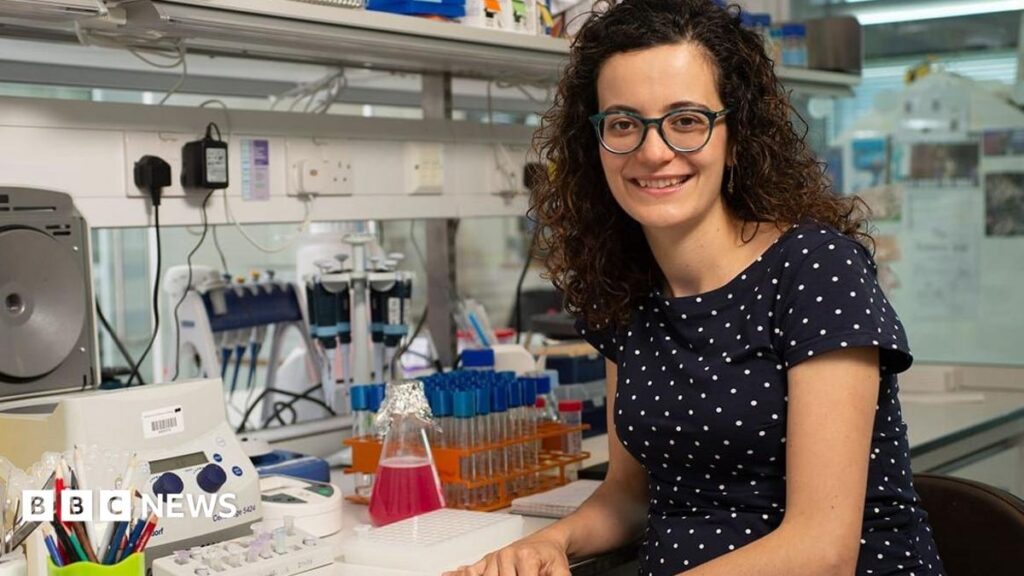
The tragedy and the scientist
On 31 October 2026 a high‑speed train travelling between Madrid and Barcelona derailed near Zaragoza, killing 12 passengers, among them Dr Marta Shahbazi, a post‑doctoral researcher at the University of Cambridge’s Department of Plant Sciences. Colleagues described her as “inspiring, talented and passionate”, noting her work on drought‑resistant crops that could benefit farmers across the globe, especially in arid regions of Africa.
Shahbazi, originally from Iran and a graduate of the University of Tehran, had joined Cambridge two years earlier after receiving a prestigious Marie Skłodowska‑Curie fellowship. Her research focused on editing the genome of sorghum to improve water‑use efficiency, a project that involved collaborators from the International Institute of Tropical Agriculture (IITA) in Nigeria and the Kenyan Agricultural and Livestock Research Organization (KALRO).
The train crash, which authorities attribute to a signalling fault, has sent shockwaves through the scientific community. Several of Shahbazi’s co‑authors, many of whom are based in African institutions, have expressed grief on social media, highlighting how her loss reverberates beyond the UK and Spain.
Why the loss matters for global research
Shahbazi’s work was part of a broader push to develop climate‑smart staple crops for the Global South. According to the International Food Policy Research Institute, sorghum yields in sub‑Saharan Africa could rise by up to 20 % if drought‑tolerant varieties are widely adopted. Her genome‑editing platform promised faster breeding cycles, potentially shortening the time from lab to field by several years.
The collaborative network she helped build linked Cambridge’s state‑of‑the‑art CRISPR facilities with field stations across Nigeria, Kenya and Ethiopia. This model of “north‑south” partnership has been championed by the UK’s Global Challenges Research Fund, which aims to ensure that cutting‑edge science addresses the most pressing development challenges.
Losing a key scientist at the centre of such a network creates a knowledge gap that cannot be filled instantly. Projects that were scheduled for field trials in 2027 now face delays, jeopardising funding timelines and the anticipated benefits for smallholder farmers who rely on improved seed varieties.
Implications for European research mobility and safety
European research institutions have long encouraged mobility, with scientists routinely travelling across borders for conferences, fieldwork and collaborative experiments. The train crash underscores the hidden risks of such mobility, especially when high‑speed rail is the preferred mode of transport for time‑pressed researchers.
In response, the European Commission’s Horizon Europe programme is reportedly reviewing its travel‑risk guidelines, according to a statement from the Commission’s research directorate. The review may introduce optional insurance schemes for researchers and encourage virtual participation where feasible, a shift that could reshape the way European labs engage with partners in Africa and elsewhere.
Spanish rail authorities have pledged a thorough investigation and have announced a temporary suspension of services on the affected line until safety upgrades are completed. This incident may accelerate the rollout of the European Rail Traffic Management System (ERTMS) across Spain, a technology that promises real‑time monitoring of signalling integrity.
The African perspective: missed opportunities and resilience
For African research institutions, Shahbazi’s death is a reminder of the fragility of international collaborations that often depend on a handful of individuals. Dr Olufemi Adebayo of IITA, who co‑authored a recent paper with Shahbazi, noted that “the momentum we built together is now at risk, but the commitment of African scientists to continue the work remains strong.”
African funding bodies, such as the African Development Bank’s Agricultural Transformation Fund, have started to allocate contingency resources to ensure that ongoing projects can survive unexpected setbacks. These funds aim to support local capacity‑building, reducing reliance on a single foreign expert and fostering a more resilient research ecosystem.
The tragedy also sparked a wave of solidarity on African social media platforms, with many young scientists citing Shahbazi’s mentorship as an inspiration to pursue careers in biotechnology. Her story is being used in university outreach programs across Nigeria and Kenya to illustrate the global impact that African‑based research can achieve when linked to world‑class labs.
What comes next: investigations, funding adjustments, and a legacy project
The Spanish National Police have opened a criminal investigation into possible negligence, while the European Railway Agency will issue a safety report within three months, according to a press release from the agency. Findings from these inquiries could lead to stricter maintenance standards for high‑speed lines across the continent.
Cambridge University has announced a memorial scholarship in Shahbazi’s name, earmarked for PhD candidates from African institutions working on climate‑resilient crops. The university’s Vice‑Chancellor said the fund will help “keep Marta’s vision alive by empowering the next generation of scientists who share her dedication to food security.”
Finally, the research consortium behind the sorghum project is planning to re‑structure its leadership, appointing co‑principal investigators from IITA and KALRO to ensure continuity. While timelines will be adjusted, the consortium remains committed to delivering field‑ready varieties by 2029, a goal that aligns with the United Nations’ Sustainable Development Goal 2 on zero hunger.
Quick Answers
Who was Marta Shahbazi and what was her research focus?
Marta Shahbazi was a post‑doctoral researcher at the University of Cambridge who specialized in genome editing of sorghum to create drought‑tolerant crops for Africa.
How did the Spanish train crash affect African research collaborations?
The crash halted a key Cambridge‑Africa partnership on climate‑smart crops, prompting African institutions to seek additional funding and local capacity‑building to sustain the project.
What safety measures are being considered after the crash?
European authorities are reviewing travel‑risk guidelines for researchers and accelerating the rollout of the ERTMS signalling system on Spain’s high‑speed rail network.
Source: www.bbc.co.uk




💬 Comments 0