Mauricio Pochettino takes charge at Manchester United 2026: first day promises, African scouting boost and long‑term challenges
Background: United's recent turmoil
Manchester United ended the 2025‑26 season in a disappointing seventh place, missing out on Champions League football for the first time since Sir Alex Ferguson’s retirement. The club’s board fired Erik ten Hag after a string of inconsistent performances and an early exit from the Europa League, leaving fans restless and the transfer market in flux.
The managerial carousel at Old Trafford has been unusually rapid. In the past three years the Red Devils have cycled through four head coaches, a rate that rivals any Premier League side’s turnover since the mid‑2010s. This instability has hurt player morale and made it difficult to attract top‑tier talent, especially when rival clubs can promise a clearer project.
Financially, United’s commercial revenue dipped by 4 % last season, according to the club’s annual report, as sponsors questioned the brand’s direction. The board therefore faces pressure to appoint a manager who can restore on‑field success quickly while also re‑energising the global fan base.
Pochettino's arrival and first impressions
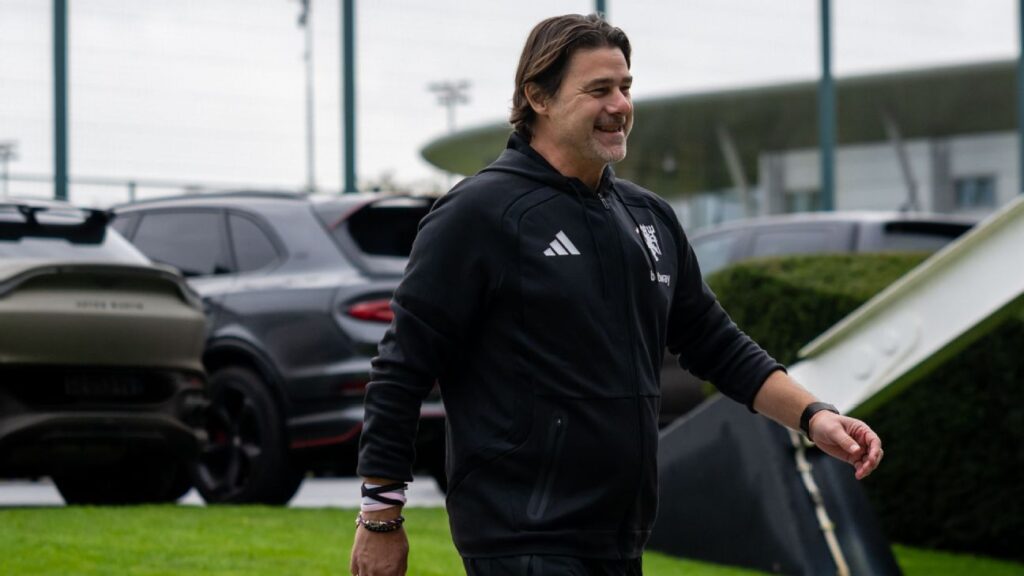
Mauricio Pochettino walked into the Sir Alex Ferguson Stand on Wednesday for his inaugural training session, greeted by a mix of curiosity and cautious optimism from players and staff. In a brief press conference he said, “You will see, give me time,” echoing the patience he asked of supporters at Tottenham Hotspur a decade ago.
Sources close to the club say the Argentine‑born coach has already begun reshaping the weekly schedule, emphasizing possession drills and a higher defensive line—tactics that helped him guide Chelsea to a top‑four finish last season. He also met individually with senior figures such as Bruno Fernandes and Harry Maguire to gauge their readiness for a more fluid system.
The first day also featured a surprise appearance by United’s academy director, who showed Pochettino a video montage of the club’s under‑18 squad. The manager’s keen interest in youth development aligns with United’s historic reputation for promoting home‑grown talent, a narrative the board hopes to revive.
Why his appointment matters for African talent
Pochettino’s track record of spotting undervalued players in South America and Africa could open new pathways for the continent’s prospects. During his tenure at Tottenham, he signed Nigerian forward Victor Osimhen on loan before the striker’s breakout at Napoli, a move that highlighted his willingness to trust African talent in high‑pressure environments.
United’s scouting network has traditionally focused on Europe, but insiders say the new manager is urging the club’s African scouts to expand their remit, especially in West Africa where the under‑23 tournament in 2025 produced several standout performers. If Pochettino backs a young African midfielder for a first‑team debut, it could rejuvenate the club’s brand among diaspora fans in Lagos, Johannesburg and London’s Brixton district.
Moreover, the appointment may influence other Premier League clubs to reconsider their recruitment pipelines. A successful integration of African players under Pochettino could validate the market’s depth and encourage greater investment in academies across the continent, potentially reshaping the talent flow that has long favoured European leagues.
Broader trend: Premier League clubs and South American coaches
Pochettino joins a growing list of South American managers who have taken the reins at England’s biggest clubs, following the likes of Pep Guardiola (Spain) and Julian Nagelsmann (Germany) in the previous decade. The trend reflects a shift toward coaches who blend tactical sophistication with a player‑development mindset, qualities prized by clubs aiming for sustainable success.
Analysts at The Athletic note that the Premier League’s appetite for foreign managers has risen 27 % since 2020, driven by the league’s global commercial ambitions. South American coaches, in particular, bring a reputation for nurturing technically gifted players—a trait that aligns with United’s desire to re‑establish an attractive, attacking brand of football.
However, the pattern also carries risks. Past appointments such as José Mourinho’s brief spell at Tottenham illustrate how cultural mismatches can lead to early exits. Pochettino’s experience in England, combined with his fluency in Spanish and English, may mitigate those risks, but his ability to manage a squad accustomed to a different style will be tested.
What lies ahead: expectations and early challenges
United’s supporters will likely demand an immediate lift in league position, especially with the Champions League spot already out of reach. Yet Pochettino’s own words suggest a longer horizon: he wants to build a “new identity” rather than chase quick fixes, a stance that could clash with the board’s short‑term financial targets.
The first transfer window will be crucial. Reports indicate United is targeting a versatile left‑back from the French Ligue 1 and a creative midfielder from the Argentine Primera División—both profiles that fit Pochettino’s tactical blueprint. The ability to secure these signings before the season starts will shape the manager’s early credibility.
Finally, the cultural impact on the club’s global audience cannot be ignored. African diaspora fans, who make up a significant portion of United’s social‑media following, will be watching closely to see if the new regime delivers both on‑field results and representation in the squad. A successful integration of African players could deepen loyalty in markets that have become increasingly competitive for European clubs.
Quick Answers
When did Mauricio Pochettino start as Manchester United manager?
Pochettino began his first day in charge on 19 November 2026.
What does Pochettino say about his timeline at United?
He asked fans to give him time, saying “You will see, give me time.”
How could Pochettino’s hiring affect African players at Manchester United?
His history of scouting African talent may lead to more signings from the continent and greater opportunities for young African prospects in United’s academy.
Source: www.espn.com




💬 Comments 0