Mbappé apologises for calling Mao a dictator after China backlash – 2026 brand fallout
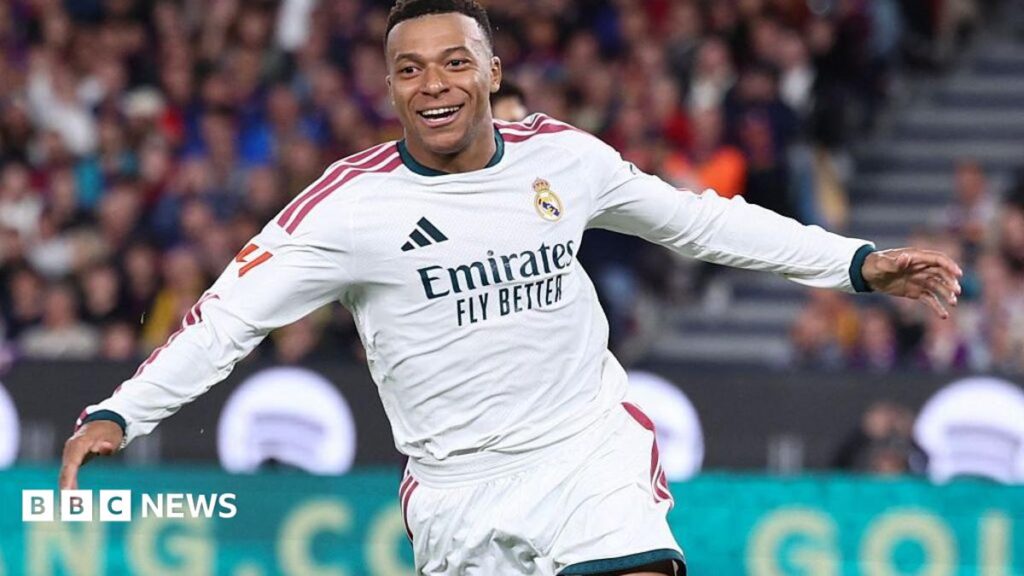
Background: a meme interview turns diplomatic
Kylian Mbappé, the French football superstar who just completed his third World Cup win, sat down with a French outlet in early October to talk about the viral memes that have surrounded his on‑field exploits. While describing the internet’s relentless humor, he mentioned former Chinese leader Mao Zedong, labeling him a "dictator" in a single sentence.
The comment was not part of a political analysis; it was an off‑hand remark meant to illustrate how public figures become targets of satire. Yet the phrase landed in a world where historical figures are still heavily policed, especially in China, where Mao remains a symbol of national identity despite his controversial legacy.
The Chinese backlash: social media, sponsors and state response
Within hours of the interview’s publication, Chinese netizens flooded platforms such as Weibo and Douyin with criticism, calling the comment disrespectful and demanding an apology. Influential state‑aligned accounts amplified the outrage, framing the remark as an affront to Chinese sovereignty.
Chinese advertisers quickly signalled unease. According to reports from local business news, several brands that have previously partnered with Mbappé – including a sportswear line that sources a portion of its revenue from mainland China – began reviewing their contracts. The rapid reaction mirrors past incidents where foreign celebrities have been black‑listed after perceived slights against China.
Why it matters for global athletes and their brands
Mbappé’s case underscores a growing reality: top athletes are no longer just sports icons, they are global brand ambassadors whose market value depends on access to the world’s biggest consumer bases. China, with a sports‑related spending power estimated at $45 billion in 2025, is a prize that many agencies and sponsors chase relentlessly.
When a star makes a politically sensitive comment, the fallout can be swift and financially significant. The 2022 incident involving NBA player Jeremy Lin, who faced a temporary ban from Chinese broadcasts after a tweet about Hong Kong, resulted in an estimated loss of $30 million in endorsement revenue. Mbappé’s apology aims to limit a similar hit, but the incident already raises questions about how much leeway athletes have when they step outside the pitch.
African and diaspora angles: why the story resonates beyond Europe
African footballers and fans have a particular stake in the Mbappé saga. Over the past decade, Chinese investment has poured into African football academies, club ownership, and broadcasting rights. Players from Nigeria, Ghana and Cameroon often sign contracts that include clauses for exposure in the Chinese market, hoping to boost their earnings and visibility.
For the African diaspora in Europe and North America, Mbappé’s brand is a benchmark for how a Black athlete can leverage global fame into social influence. The incident serves as a cautionary tale: cultural missteps can jeopardise not only personal earnings but also the broader pipeline that African talent relies on to secure lucrative overseas deals. A mis‑read comment may trigger a chain reaction that limits future sponsorships for African players who depend on the same Chinese‑linked revenue streams.
A pattern of political pitfalls in sport
Mbappé is not the first athlete to feel the sting of political backlash. In 2020, NBA star LeBron James faced a boycott call from Chinese fans after he voiced support for Hong Kong protesters. The NBA’s subsequent handling of the situation sparked a debate about free speech versus market access, a tension that repeats across sports.
The trend reflects China’s expanding soft‑power strategy, where cultural products—including football – are used to project a favorable image abroad. When foreign stars step on perceived red lines, the reaction is swift, reinforcing a message that commercial partnerships come with an unspoken code of conduct.
What’s next for Mbappé and the wider sports‑marketing landscape?
Mbappé issued a public apology on Instagram, describing his earlier comment as “ill‑judged” and affirming his respect for China’s history and people. The apology was quickly shared by his management team, who emphasized that the statement was taken out of context and that the player remains committed to his global fan base.
Analysts say the damage control may preserve most of his lucrative deals, especially those that are contractually bound for the next two years. However, the episode will likely make clubs, agents and sponsors more vigilant about pre‑interview vetting and cultural training. For African players eyeing the Chinese market, it may also prompt a reassessment of how they engage with politically sensitive topics, ensuring that the pathway to higher earnings does not become a liability.
Quick Answers
What exactly did Mbappé say about Mao Zedong?
During a meme‑focused interview, Mbappé referred to Mao Zedong as a "dictator" in a single sentence.
How did Chinese social media and sponsors react to the comment?
Chinese netizens launched an outcry on platforms like Weibo, and several Chinese‑linked sponsors began reviewing their contracts with the player.
Could Mbappé lose endorsement deals because of this incident?
Yes, especially deals that rely heavily on the Chinese market, although his swift apology may mitigate the full financial impact.
Source: www.bbc.co.uk

💬 Comments 0