Mexican drug lord ‘Chapo Idisro’ Meza Flores arrested after 2026 shoot‑out with FBI
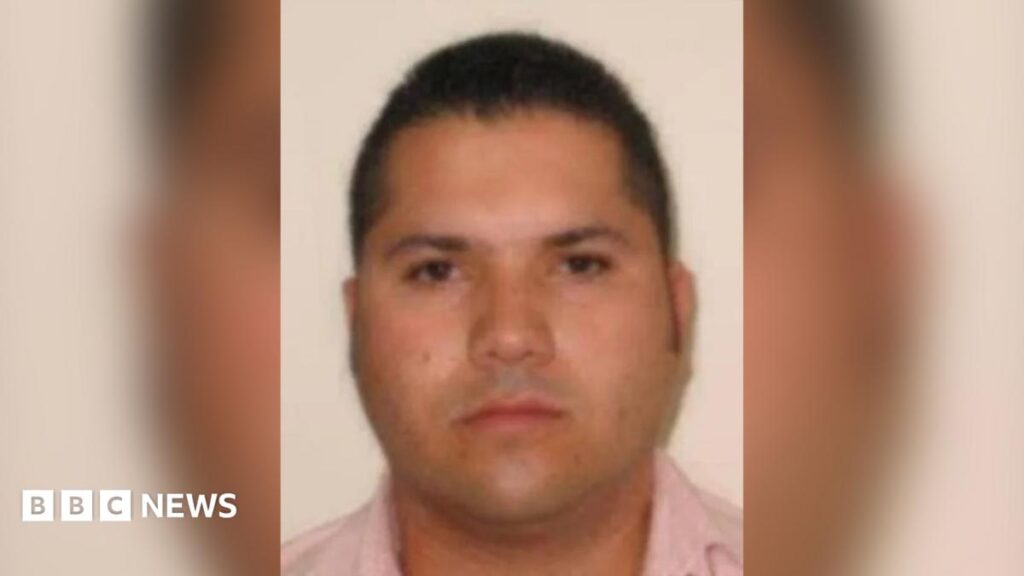
Background: Who is ‘Chapo Idisro’ and why he mattered
Fausto Isidro "Chapo Idisro" Meza Flores rose through the ranks of the Sinaloa Cartel’s northern franchise, overseeing a network that moved large quantities of methamphetamine and heroin across the U.S.-Mexico border. According to the U.S. Department of Justice, he was added to the FBI’s Ten Most Wanted list in 2022 for his alleged involvement in at least 15 murders and a series of high‑profile torture incidents used to enforce loyalty among traffickers. His nickname, a play on the infamous "El Chapo," signaled both his ambition and the brutal reputation he cultivated within the cartel’s hierarchy.
Meza Flores was believed to command a cadre of enforcers who operated out of the border towns of Ciudad Juárez and Nuevo Laredo, areas that have long served as critical arteries for the flow of synthetic drugs into the United States. Intelligence reports from 2024 indicated that his operation had diversified into the trafficking of fentanyl precursors, a shift that intensified the opioid crisis in several Midwestern states. The combination of his violent methods and expanding drug portfolio made him a top priority for both Mexican and American law‑enforcement agencies.
The shoot‑out and arrest: How authorities finally caught him
On 19 November 2026, a joint task force of the FBI, DEA, and Mexico’s Federal Police converged on a safe house in the outskirts of Monterrey after a months‑long surveillance operation. Sources say the raid was triggered by a tip from a former associate who feared for his life after a dispute over a shipment of fentanyl. When agents moved in, Meza Flores and three of his lieutenants opened fire, leading to a brief but intense exchange of gunfire that lasted roughly ten minutes.
The firefight ended with Meza Flores wounded and taken into custody, while two of his gunmen were killed and the third was apprehended. Authorities recovered several kilograms of meth, a cache of firearms, and encrypted communication devices that are expected to shed light on the cartel’s broader logistics network. The FBI announced that the arrest marks the first time a Ten Most Wanted fugitive from Mexico has been captured in a direct shoot‑out with U.S. agents on foreign soil, underscoring the growing willingness of American law‑enforcement to operate beyond its borders.
Why the arrest matters beyond Mexico and the United States
The removal of a high‑ranking cartel lieutenant like Meza Flores can destabilise established smuggling routes, prompting rival groups to scramble for control. Historically, such power vacuums have led to spikes in violence both in Mexican border states and in U.S. cities where distribution networks are disrupted. Analysts at the Wilson Center warned that the immediate aftermath could see a temporary surge in drug prices and a rise in street‑level violence as smaller gangs attempt to fill the gap left by the Sinaloa faction.
For African nations, especially those in West Africa that serve as transit hubs for cocaine and heroin en route to Europe, the ripple effects are significant. The United Nations Office on Drugs and Crime (UNODC) has noted that Latin American cartels increasingly rely on West African ports such as Lagos, Abidjan, and Tema to ship cocaine across the Atlantic. A crackdown in North America often forces traffickers to re‑route shipments, which can intensify competition among local African criminal groups, potentially destabilising already fragile security environments and prompting a surge in corruption of customs officials.
Implications for the African diaspora and local economies
The African diaspora in the United States, particularly in cities like Atlanta, Houston, and New York, has been a target market for Mexican heroin and synthetic opioids. Community leaders have long argued that the influx of cheap, high‑potency drugs fuels a cycle of addiction that disproportionately affects Black and Latino neighborhoods. The arrest of Meza Flores may reduce the supply of certain fentanyl‑laced products, but experts caution that other cartels will quickly adapt, meaning the underlying demand will still drive new supply chains into these communities.
On the other side of the Atlantic, the loss of a senior cartel figure could open opportunities for African‑based drug financiers to negotiate more favourable terms with Latin American producers. If West African smugglers secure larger shares of the cocaine market, they could reap billions in illicit revenue, which often finds its way into legitimate sectors such as construction, mining, and entertainment. This dynamic threatens to erode governance standards and complicates anti‑money‑laundering efforts across the continent.
What comes next: Legal battles, policy shifts, and the future of the drug trade
Meza Flores faces a slew of charges in both the United States and Mexico, including drug trafficking, racketeering, and multiple counts of homicide. Prosecutors have indicated that they will seek the death penalty under U.S. federal law, a move that could spark diplomatic debates over the treatment of foreign nationals in American courts. In Mexico, President Claudia Sheinbaum’s administration is expected to use the arrest as a political win, emphasizing a tougher stance on organized crime ahead of the 2027 mid‑term elections.
Policy experts argue that high‑profile arrests alone will not dismantle the drug trade; instead, they call for a coordinated approach that includes demand‑reduction programs, investment in alternative livelihoods for communities dependent on the drug economy, and stronger regional cooperation. In Africa, the African Union’s recent declaration on combating transnational organised crime highlights the need for shared intelligence platforms and joint training for customs officials. If those initiatives gain traction, the vacuum left by Meza Flores could be filled by more transparent, albeit still illegal, networks that are harder for Western agencies to track.
Quick Answers
What charges does Fausto Isidro Meza Flores face after his arrest?
He is charged with drug trafficking, racketeering, multiple murders and torture in both the United States and Mexico.
How could the arrest affect drug routes through West Africa?
Disruption of Mexican cartel supply lines may push traffickers to rely more on West African ports, increasing competition and illicit revenue for local criminal groups.
Will the arrest lower drug availability in US African‑diaspora communities?
It may cause a short‑term dip in certain fentanyl products, but other cartels are likely to fill the gap, so overall availability could remain unchanged.
Source: www.bbc.co.uk




💬 Comments 0