Michael Carrick downplays fitness worries as Manchester United slips in 2026 season
Early season woes and Carrick’s new role
Manchester United entered the 2026 Premier League campaign with high expectations, but a trio of draws and a narrow loss left the club hovering near the bottom of the table after just four matches. The dip in form sparked a chorus of media speculation about the squad’s conditioning, with pundits pointing to a congested pre‑season schedule and a handful of injuries as possible culprits. The pressure quickly shifted to Erik ten Hag’s backroom staff, who were forced to defend their preparation methods while trying to keep morale high among a group of players accustomed to competing for titles.
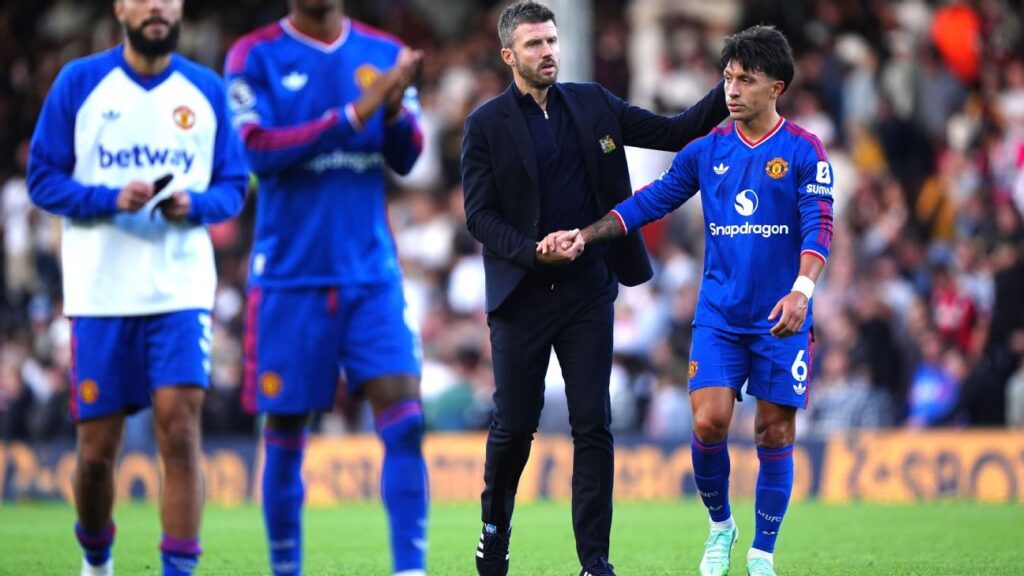
Amid the growing criticism, former United midfielder Michael Carrick, now serving as the club’s assistant manager, stepped into the spotlight. Carrick, who retired in 2020 after a distinguished career at Old Trafford, has been tasked with bridging the gap between senior players and the coaching team. His public comments on the fitness debate are therefore more than a routine interview—they signal how United’s hierarchy intends to manage narrative and expectations both inside and outside the stadium.
Fitness or form? What Carrick actually said
Speaking to the club’s official media outlet on Tuesday, Carrick dismissed the notion that a lack of fitness was the primary driver of United’s shaky start. He emphasized that “the players are in good condition; the issue is translating that into consistent performances on the pitch.” Carrick added that the squad’s training data, monitored through the club’s sports science department, shows “no significant drop in aerobic capacity or strength metrics compared with last season.” By focusing on form rather than fitness, he redirected the conversation toward tactical cohesion and mental sharpness, suggesting that the team’s problems lie more in execution than in physical readiness.
Carrick’s remarks also hinted at a broader strategic shift. He noted that United has introduced a “player‑first” recovery protocol, allowing individuals to manage their own load using personalized GPS tracking and sleep monitoring. This approach, he argued, reduces the risk of over‑training while still maintaining the high‑intensity standards expected at a top‑flight club. In doing so, Carrick positioned United’s sports science program as a modern, data‑driven system rather than a traditional, one‑size‑fits‑all regimen.
Why the fitness debate matters for United’s ambitions
The fitness narrative is more than a locker‑room anecdote; it directly influences United’s ability to compete on multiple fronts. A congested fixture list that includes early‑season Europa League qualifiers and domestic cup ties means the squad must sustain peak performance for at least nine months. If the coaching staff accepts a fitness deficit as fact, it could justify squad rotation, reduced training intensity, or even a tactical shift toward a more defensive setup—decisions that would reshape United’s playing identity for the season.
Moreover, the Premier League’s financial ecosystem rewards consistency. Television revenue, prize money, and sponsorship deals are all tied to league position and brand perception. A prolonged fitness controversy could erode confidence among commercial partners, especially those with African market exposure who rely on United’s global appeal. In short, how the club frames its physical readiness will affect everything from transfer budget allocations to the willingness of elite players to join a team perceived as “out of shape.”
Ripple effects across Africa’s football market and fans
Manchester United remains one of the most followed clubs on the African continent, with a fan base that spans Nigeria, Ghana, Kenya, South Africa and the diaspora in the United Kingdom and United States. A slump in United’s form often translates into lower viewership numbers on African sports broadcasters such as SuperSport and Canal+ Afrique, which in turn impacts advertising rates and subscription revenues. When the narrative centers on fitness, it also raises questions about the club’s commitment to player welfare—a topic that resonates strongly with African supporters who are increasingly vocal about health standards for players from the continent.
Beyond viewership, United’s stance on fitness influences scouting and development pipelines. African academies watch the training methodologies of elite European clubs to shape their own programs. Carrick’s emphasis on individualized data tracking could inspire African clubs to adopt similar technologies, potentially accelerating the professionalisation of youth setups in Nigeria, Cameroon and Ivory Coast. Conversely, if United’s fitness claims are perceived as a cover for deeper tactical issues, it may reinforce skepticism among African agents about the reliability of European clubs’ promises to nurture African talent.
Looking ahead: possible scenarios for United and the league
In the coming weeks, United faces a decisive test against a mid‑table rival at Old Trafford. A win could quiet the fitness chatter and shift focus back to tactical adjustments, while a loss would likely reignite calls for a more radical overhaul—perhaps even a mid‑season transfer window push for a high‑profile midfielder to add depth. Carrick’s role will be pivotal; if he can translate the data‑driven recovery model into tangible on‑field energy, United may stabilize and climb back into the top‑four race.
For the broader Premier League, United’s handling of the fitness story could set a precedent for how other clubs address early‑season slumps. Should United succeed in debunking the “out‑of‑shape” label, it may encourage rivals to adopt similar player‑centric recovery protocols, potentially raising the overall physical standard of the league. African stakeholders—fans, broadcasters, and talent developers—will be watching closely, as the outcomes will shape not only United’s fortunes but also the commercial and developmental dynamics that connect European football with the continent.
Quick Answers
What did Michael Carrick say about Manchester United's fitness concerns?
Carrick said the players are fit and that the team's problems stem from form and tactical execution, not physical conditioning.
How could United's early‑season struggles affect African football fans?
Poor results can lower viewership on African broadcasters, reduce advertising revenue, and influence how African academies adopt fitness technologies.
What are the next steps for Manchester United after the fitness debate?
United must win upcoming matches to shift focus back to tactics, while Carrick’s data‑driven recovery plan will be tested on the pitch.
Source: www.espn.com



💬 Comments 0