Nico Rosberg warns Kimi Antonelli that his own mindset will decide 2026 F1 title race outcome
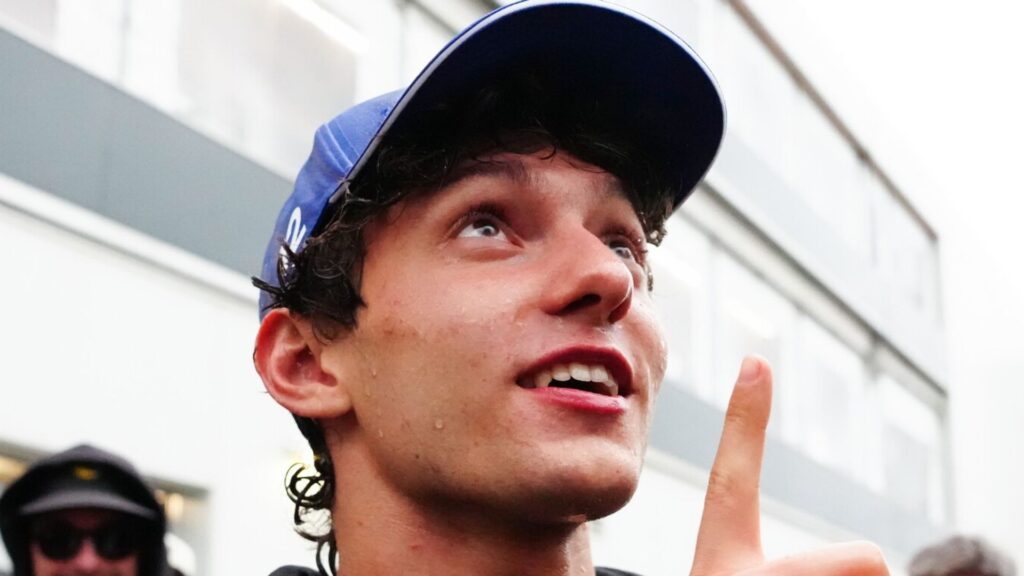
Why Rosberg's comment matters beyond a simple pep talk
When a former champion like Nico Rosberg comments on a rookie's mental game, it signals a shift in how teams and drivers are approaching the psychological side of Formula 1. The sport has long been dominated by raw talent and engineering excellence, but the modern era increasingly values mental resilience, especially as the 2026 technical regulations tighten the performance gap between cars.
Rosberg, who retired at the peak of his career, has become a vocal advocate for driver psychology, citing his own experience of battling self‑doubt after winning the 2016 championship. His warning to Kimi Antonelli – that the biggest obstacle may be his own mind – is therefore not just motivational fluff, but a strategic insight that could influence how teams structure their support systems for young talent.
The broader trend: mental coaching becoming a competitive edge
Since the introduction of the halo and the push for sustainability, F1 teams have invested heavily in data analytics, aerodynamics and hybrid power units. In the past three seasons, a parallel investment has been made in sports psychology, with teams hiring former Olympic mental coaches and integrating mindfulness routines into driver schedules. This mirrors trends in other high‑performance sports where marginal gains are increasingly found off the track.
Rosberg’s remarks echo a growing consensus among insiders that a driver’s ability to stay calm under pressure can be the differentiator in a season where race wins are decided by fractions of a second. The 2026 calendar, featuring tighter street circuits and a higher number of sprint races, will test drivers’ focus more than ever, making Rosberg’s caution especially pertinent.
What Antonelli’s rise tells us about the new generation of F1 talent
Italian teenager Kimi Antonelli has burst onto the scene with a blend of raw speed and a calm demeanor that reminded many observers of a young Lewis Hamilton. His rapid promotion from Formula 2 to a junior seat with a top‑tier team has sparked debate about whether talent pipelines are being accelerated to meet the sport’s expanding global audience.
However, Antonelli’s ascent also highlights a potential risk: the pressure to perform on the world stage at a very young age. Analysts at Motorsport.com note that drivers who debut before the age of 20 often face heightened scrutiny, which can affect confidence levels. Rosberg’s warning, therefore, serves as a reminder that talent alone may not guarantee success without a robust mental framework.
Implications for the 2026 title fight and the championship narrative
The 2026 championship is already shaping up as a three‑way battle among the reigning champion, a veteran challenger, and a rising star. If Antonelli can harness his mental game, he could become a dark horse capable of influencing the points table, especially in sprint events where a single mistake can cost valuable podiums.
Conversely, a mental lapse could see him become a cautionary tale, reinforcing the notion that the sport’s new technical era demands more than speed. Teams may respond by allocating additional resources to driver wellness, potentially reshaping budget allocations that were previously earmarked solely for car development.
What’s next: how teams and the sport may adapt
In the weeks ahead, several teams are expected to announce expanded mental‑health programs, with some even exploring AI‑driven mood‑tracking tools. If Antonelli’s performance fluctuates, his team could become a case study for the effectiveness of these initiatives, prompting other outfits to follow suit.
Beyond team actions, the FIA has hinted at reviewing the driver welfare charter for the 2027 season, a move that could formalise support structures across the grid. Rosberg’s public statement may have nudged the governing body toward faster implementation, ensuring that the next generation of drivers receives the same level of psychological support that elite athletes in other disciplines enjoy.
Quick Answers
What did Nico Rosberg say about Kimi Antonelli's chances in the 2026 F1 title race?
Rosberg warned that Antonelli's biggest obstacle could be his own mindset, emphasizing the importance of mental resilience in the championship.
Why is driver psychology becoming more important in Formula 1?
With tighter technical regulations and more sprint races, mental focus can be the deciding factor in close contests, prompting teams to invest in sports‑psychology resources.
How could Antonelli's performance affect the 2026 championship narrative?
If he manages his mental game, Antonelli could challenge established contenders and influence the points tally, especially in sprint events.
Source: www.skysports.com




💬 Comments 0