Michael Carrick’s future under review as Man United sit in relegation zone 2026
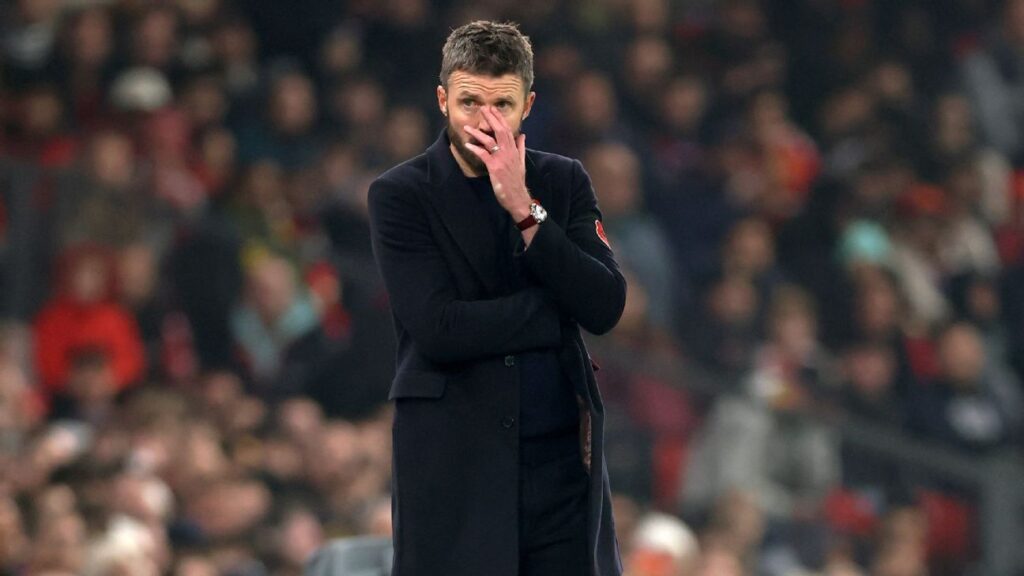
Season snapshot and Carrick's role at United
Manchester United entered the 2026‑27 Premier League campaign with lofty expectations, yet after 28 games they find themselves in the relegation zone for the first time since the 1980s. A string of defensive lapses, a leaky back line and a lack of tactical cohesion have left the club hovering just above the drop‑danger zone, prompting intense scrutiny of every member of the coaching staff.
Michael Carrick, a former United midfield stalwart turned assistant manager, has been on the bench since Erik ten Hag took over in 2022. While he does not command the dressing‑room like the head coach, his responsibilities include overseeing training drills, bridging the gap between senior players and the manager, and providing tactical input during matches. Over the past few months his influence has been both praised for nurturing young talent and criticized for failing to tighten up the team's shape.
The decision in the making: what the sources say
According to ESPN, United’s hierarchy are still debating Carrick’s future, preferring to take their time rather than rush a decision that could further destabilise the squad. Sources close to the club told the outlet that senior executives have asked Carrick to outline a short‑term plan for defensive organization, while also reviewing his longer‑term ambitions within the club’s coaching hierarchy.
The same sources indicated that Carrick himself is aware of the precarious situation and has expressed willingness to stay if given a clearer remit. However, they also noted that former United players and senior staff are divided – some see him as a steadying presence, while others argue that a fresh set of ideas is needed to arrest the slide.
Why the assistant manager matters for United’s survival
In modern football, an assistant manager’s input often shapes the day‑to‑day training intensity and the implementation of the head coach’s philosophy. If Carrick were to leave, United would need to appoint a replacement quickly, potentially pulling a candidate from outside the club who may not be familiar with United’s culture or the current squad dynamics.
A sudden change could also affect the morale of key players, especially younger prospects who have built personal relationships with Carrick during their development. Maintaining continuity could help United tighten their defence in the remaining fixtures, a factor that could be decisive in avoiding relegation and preserving the club’s massive commercial revenue streams.
African angle: impact on players, fans and the market
United’s squad still includes several African talents – most notably striker Odion Ighalo’s younger brother, Victor Ighalo, who broke into the first team this season, and midfielder Kelechi Nwankwo, a rising star from Nigeria’s U‑23 side. Their progress is closely tied to the coaching environment; a stable backroom staff often translates into more playing time for emerging players from the continent.
Beyond the pitch, United’s massive fan base across Africa and among the diaspora translates into billions of pounds in merchandise sales, broadcast rights, and sponsorship deals. A relegation battle threatens to dampen enthusiasm, potentially reducing shirt sales in markets like Nigeria, Ghana and South Africa. Conversely, a decisive move that stabilises the club could reassure African supporters and keep United’s brand strong on the continent.
A broader pattern of coaching instability at elite clubs
Manchester United is not alone in facing a coaching crossroads. In the past five years, top‑flight clubs in England, Spain and Italy have cycled through head coaches and assistants at an unprecedented rate, often reacting to short‑term results rather than long‑term strategy. Analysts point to this as a symptom of heightened financial pressure and the rise of data‑driven decision‑making, where a few bad results can trigger a cascade of personnel changes.
The United case mirrors what happened at Tottenham Hotspur in 2024, where an assistant manager’s departure mid‑season contributed to a loss of continuity that saw the club miss out on European qualification. Observers argue that clubs with deep-rooted academy structures, like United, should prioritize internal stability to protect developmental pipelines – a lesson that resonates strongly for African academies feeding talent into Europe.
What could happen next: scenarios and timeline
If United decides to retain Carrick, the most likely short‑term outcome will be a renewed focus on defensive drills and a clearer communication channel between the manager and the players. This could buy the club a few crucial points in the remaining ten games, potentially lifting them out of the relegation zone.
Should the board opt for a change, the club may promote a current first‑team coach or bring in an experienced assistant from another Premier League side. Either route would require a swift integration period, and the transfer window – closing on 31 January – could be used to bring in defensive reinforcements if the club believes the current squad lacks depth.
In either scenario, the decision will be announced within the next two weeks, according to insiders, as United’s board aims to give the coaching staff enough time to implement any adjustments before the crucial January fixtures.
Quick Answers
Is Michael Carrick likely to stay at Manchester United?
Sources say the club is still debating his role, but Carrick has indicated willingness to remain if given a clear plan.
How could Carrick's departure affect United's African players?
A change in backroom staff could disrupt the development and playing time of African prospects like Victor Ighalo and Kelechi Nwankwo.
What timeline does United have for deciding Carrick's future?
Insiders suggest a decision will be made within the next two weeks, ahead of the January transfer window.
Source: www.espn.com




💬 Comments 0