Mike Vance walks Trump tightrope with scathing 2026 election critique blaming Iran war
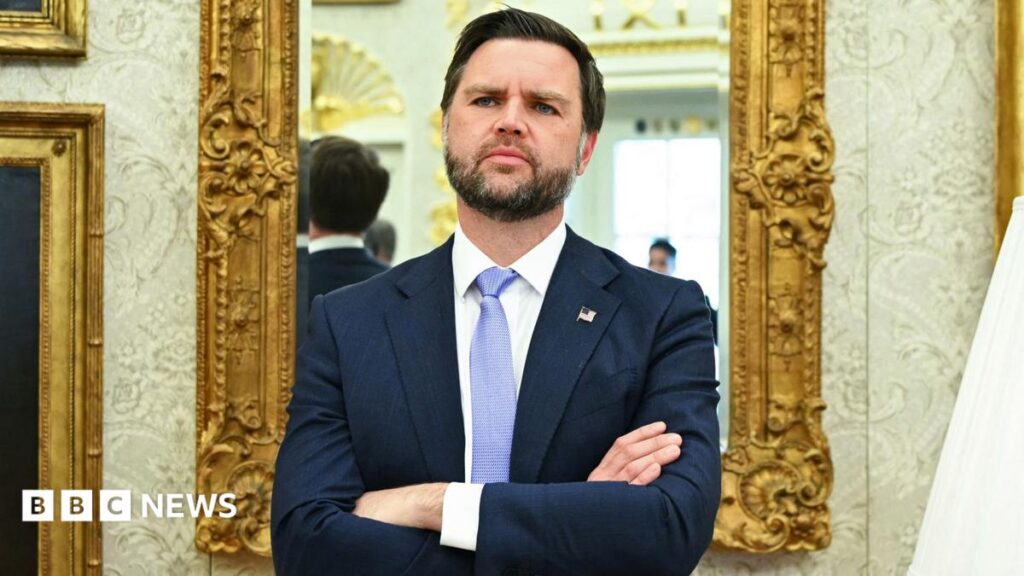
Background: A rare public split inside the GOP
The Republican Party has traditionally presented a united front after a national election, especially when the loss is attributed to external factors. This convention was broken when Mike Vance, a senior Republican figure and former House Majority Whip, openly blamed the ongoing conflict with Iran for the party’s defeat in the 2026 midterms. His comments marked one of the sharpest public divergences from former President Donald Trump’s narrative, which has consistently framed the loss as a result of media bias and voter fraud allegations.
Vance’s remarks came during a televised interview with a major news network, where he argued that the prolonged war in the Middle East diverted attention from domestic concerns and eroded voter confidence in the GOP’s foreign‑policy competence. By directly linking the war to electoral outcomes, Vance not only challenged Trump’s preferred storyline but also forced the party to confront the political cost of its foreign‑policy choices.
What Vance Said: The Iran War as a Political Liability
In his critique, Vance described the Iran conflict as a “strategic misstep” that drained resources, inflamed global oil prices, and alienated key swing‑state voters who were more concerned about rising living costs than overseas engagements. He warned that the war’s human and economic toll had become a “political albatross” for Republicans trying to regain control of Congress.
Vance also hinted that the administration’s decision to maintain a hard‑line stance, rather than pursuing diplomatic channels, limited the GOP’s ability to pitch a narrative of peace and prosperity. According to sources close to the interview, he suggested that a recalibration of the U.S. approach to Iran could become a bargaining chip for future campaigns, provided the party can distance itself from the hard‑line policies associated with Trump’s tenure.
Why It Matters for Africa and the Diaspora
The Iran war has ripple effects far beyond the Middle East, especially for African economies that rely heavily on oil imports. Higher global oil prices have already pushed inflation in Nigeria, Kenya, and South Africa to multi‑year highs, squeezing household budgets and eroding real wages. African businesses that depend on stable energy costs—such as manufacturing firms in Egypt’s Suez corridor—are facing tighter margins, prompting calls for policy intervention from regional bodies like the African Union.
Moreover, the war has intensified security concerns in the Horn of Africa, where Iranian-backed militia activity has increased in Somalia and Yemen. This escalation threatens maritime trade routes that funnel a significant portion of Africa’s exports through the Red Sea. Nigerian and Ghanaian shipping firms, which have a growing diaspora investor base, are watching the situation closely, fearing disruptions that could affect earnings and, by extension, remittance flows back home.
Reactions: From Trump Loyalists to African Business Leaders
Trump’s inner circle responded swiftly, dismissing Vance’s comments as “political theater” and reiterating the former president’s claim that the loss was engineered by a “deep state” agenda. In a tweet, former White House chief of staff Mark Meadows warned that any criticism of the Iran policy would “play into the hands of the Democrats and the globalist elite.”
Conversely, several African business chambers issued statements urging U.S. policymakers to consider the broader economic fallout of the conflict. The Nigerian American Chamber of Commerce, for instance, highlighted how volatile oil prices have already forced Nigerian exporters to seek alternative financing, a trend that could reverse if the war drags on. These remarks underscore a growing awareness among diaspora groups that U.S. foreign‑policy decisions have direct consequences for African markets and investment climates.
What’s Next: A Potential Shift in GOP Strategy?
Political analysts suggest that Vance’s critique could signal the emergence of a new faction within the Republican Party—one that is willing to question Trump’s foreign‑policy legacy while still courting his voter base. If this faction gains traction, the GOP might adopt a more nuanced stance on the Iran issue in the run‑up to the 2028 presidential race, perhaps proposing a phased diplomatic exit or a limited cease‑fire as a campaign platform.
For African stakeholders, the key takeaway is to monitor how any shift in U.S. policy could stabilize oil markets and reduce security threats in the Red Sea corridor. Companies with exposure to energy imports or maritime logistics should prepare contingency plans, while diaspora investors might look for opportunities in sectors that could benefit from a de‑escalation—such as renewable energy projects that the African Development Bank is already promoting.
Quick Answers
Who is Mike Vance and why is his criticism of Trump significant?
Mike Vance is a senior Republican leader and former House Majority Whip; his public criticism of Trump breaks a long‑standing pattern of party unity after election losses.
How does the Iran war affect African economies?
The conflict drives up global oil prices, inflating inflation in oil‑importing African nations and threatening maritime trade routes vital to the continent’s export markets.
Could Vance’s stance change the GOP’s foreign‑policy platform for 2028?
Analysts say his comments may help a moderate GOP faction push for a diplomatic pivot on Iran, potentially shaping campaign messaging ahead of the 2028 election.
Source: www.bbc.co.uk




💬 Comments 0