Militia member neutralised, two homemade AK‑47s seized in Plateau – OPEP, Aug 9 2026
Background: Plateau’s recurring militia violence
Plateau State has long been a flashpoint for inter‑communal clashes, largely driven by competition over land, grazing rights and political patronage. Since the 2000s, armed groups—often labelled as “militias” by the military—have sprung up in the highland districts of Mangu, Jos North and surrounding LGAs, exploiting porous borders with neighboring states. These groups typically rely on locally fabricated weapons, a market that thrives on weak regulatory oversight and the easy availability of scrap metal. The cycle of retaliatory attacks has left the region with a chronic insecurity that hampers agriculture, education and small‑scale commerce.
In the months leading up to August 2026, intelligence reports from the Nigerian Army indicated a surge in suspicious movements near the bushy corridors linking Kantoma, Bwom and Jakatai villages. Residents in those communities reported hearing gunfire and seeing unfamiliar figures at night, prompting local leaders to appeal for a rapid security response. The situation mirrored earlier flare‑ups in 2022 and 2024, when militia raids resulted in displacement of over 15,000 people and disrupted the seasonal harvest, underscoring the fragile peace that still hangs over the state.
The Aug 9 operation: what unfolded
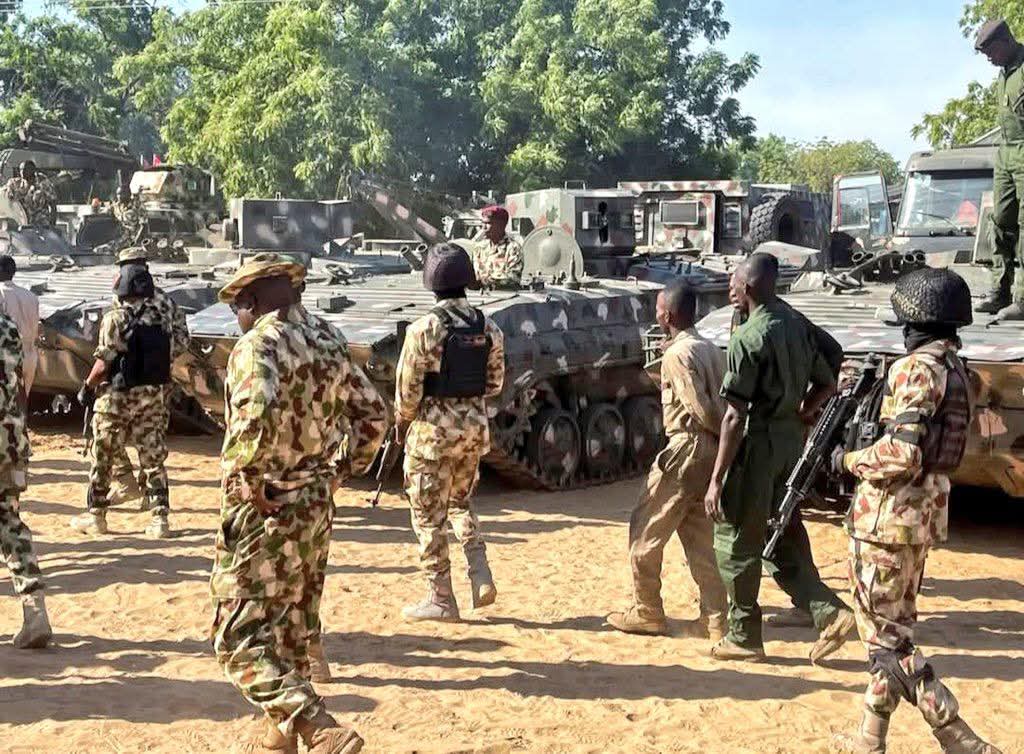
On Sunday, August 9, 2026, troops from Operation ENDURING PEACE (OPEP) launched a coordinated sweep in the Mangu Local Government Area after receiving a tip‑off about an armed encampment near the Kantoma‑Bwom‑Jakatai axis. According to a statement released by the Nigerian Army, soldiers moved in under cover of darkness, engaged in a brief firefight, and neutralised a single militia combatant. The operation also yielded two AK‑47 rifles that had been assembled locally, complete with improvised wooden stocks and hand‑made metal parts, indicating a small‑scale domestic weapons industry.
The army’s after‑action report noted that the neutralised fighter was identified through facial recognition software linked to a database of known militia operatives. Local witnesses, speaking on condition of anonymity, confirmed that the engagement lasted less than ten minutes and that no civilians were harmed. The recovered rifles were handed over to the Forensic Arms Laboratory in Abuja for ballistics testing, a step that authorities hope will trace the supply chain back to its source.
Why the seizure of locally‑made AK‑47s matters
Locally fabricated AK‑47s are a symptom of a broader illicit economy that fuels insecurity across Nigeria’s middle belt. Unlike imported weapons, home‑made firearms are cheap, unregistered and can be produced in makeshift workshops hidden in rural outskirts. Security analysts at the Centre for Strategic and International Studies (CSIS) warn that these weapons enable militia groups to sustain low‑intensity conflict without relying on external arms smuggling routes, making them harder to track and interdict.
The two rifles recovered in Plateau are not just trophies; they are data points that can help map the clandestine network of metal‑working artisans, scrap dealers and informal financiers who keep the militia supply chain alive. If traced successfully, the network could be dismantled, cutting a key lifeline for armed groups that have, in recent years, been responsible for kidnappings, cattle rustling and attacks on election officials.
Political and economic ripples for Nigeria and the diaspora
Security stability in Plateau is directly linked to the state’s contribution to Nigeria’s agricultural output, especially in maize and soybeans, which are exported to Europe and the Middle East. A spike in militia activity threatens harvest cycles, potentially lowering export volumes and affecting the earnings of diaspora investors who hold stakes in agribusiness firms based in Jos and surrounding towns. Moreover, the timing of the OPEP operation coincides with the lead‑up to the 2027 general elections, a period when political parties vie for the loyalty of rural voters who are often caught between militia intimidation and promises of development.
Diaspora organisations, such as the Nigerian Association of the United Kingdom (NAUK), have already issued statements urging the federal government to prioritize disarmament programmes in the middle belt. According to a NAUK spokesperson, “the safety of our families back home is a prerequisite for any meaningful economic engagement abroad.” The sentiment reflects a growing trend where the Nigerian diaspora leverages remittances to lobby for stronger security policies, a dynamic that could reshape how the federal government allocates resources to conflict‑prone regions.
Looking ahead: security strategy and community response
The success of the August 9 raid is likely to be used by the Ministry of Defence as a template for future OPEP deployments, emphasizing rapid intelligence‑driven actions combined with community liaison. Officials have pledged to expand local surveillance networks, including the deployment of drones equipped with thermal imaging to monitor bushy corridors where militias hide. However, critics argue that without addressing the underlying grievances—land disputes, unemployment and ethnic marginalisation—militia recruitment will simply shift to new locations.
Community leaders in Kantoma, Bwom and Jakatai are now calling for a joint peace‑building forum that brings together traditional rulers, civil society groups and security forces. Such a forum could facilitate the demobilisation of combatants, provide vocational training for youth, and create a transparent mechanism for reporting illicit weapons manufacturing. If these grassroots initiatives gain traction, they could complement federal efforts, offering a more sustainable path toward lasting peace in Plateau and the wider middle belt.
Quick Answers
What happened in Plateau State on August 9, 2026?
Operation ENDURING PEACE troops engaged a militia group in Mangu LGA, neutralised one fighter and seized two locally made AK‑47 rifles.
Who carried out the raid that neutralised the militia member?
The raid was conducted by soldiers from Operation ENDURING PEACE, a joint army initiative aimed at curbing militia activity in Nigeria’s middle belt.
Why are homemade AK‑47s a security concern for Nigeria?
Locally fabricated AK‑47s are cheap, unregistered and produced in hidden workshops, allowing militias to sustain conflict without relying on external arms smuggling routes.
Source: dailypost.ng



💬 Comments 0