Milo Yiannopoulos Detained by ICE in 2026: What the Arrest Means for US Free Speech, Immigration Policy and UK‑US Relations
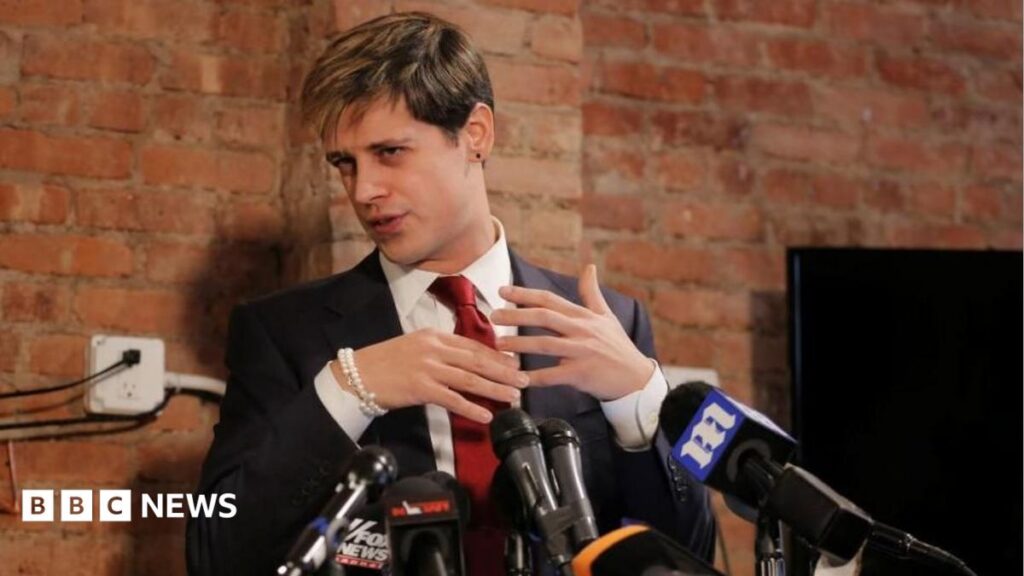
Background – a polarising figure on both sides of the Atlantic
Milo Yiannopoulos, a British journalist and self‑styled "alt‑right" provocateur, first rose to prominence in the early 2010s through a series of incendiary columns for Breitbart and a string of public speaking tours that often sparked campus protests. After being expelled from the University of Manchester in 2010 for a controversial essay, he moved to the United States in 2015, where he obtained a work visa that allowed him to continue his media work and occasional speaking engagements. Over the past decade Yiannopoulos has built a brand around courting controversy, aligning himself with former President Donald Trump’s America First agenda and publicly praising the U.S. Immigration and Customs Enforcement (ICE) agency for its "law‑and‑order" stance.
His relationship with the United States has been anything but smooth. In 2017, a planned speaking tour at several U.S. universities was cancelled after violent protests, and in 2020 he was briefly detained at a New York airport for a paperwork issue, according to a report by The Daily Beast. The latest incident, which unfolded in August 2026, marks the most serious legal encounter Yiannopoulos has faced since his arrival, and it has reignited debates about the limits of free expression, the politicisation of immigration enforcement, and the diplomatic sensitivities between Washington and London.
The detention – ICE action and the immediate fallout
On August 24, 2026, Immigration and Customs Enforcement agents stopped Yiannopoulos at his Manhattan apartment building, citing an alleged violation of his visa conditions. Sources close to the case told CNN that ICE officials claimed the British commentator had failed to disclose a recent overseas trip to Israel, which under his current B‑1/B‑2 visitor status required a new application. Yiannopoulos was placed in a holding cell at the nearby federal detention center for 48 hours before being transferred to a New York immigration court, where a judge scheduled a hearing for early September.
The detention was quickly publicised on social media, with Yiannopoulos’s own Twitter account – now rebranded as "MiloLive" – posting a video of the ICE badge and claiming the arrest was a politically motivated "targeted crackdown on conservative voices." A spokesperson for the Department of Homeland Security, speaking to the press on August 26, said the agency was simply enforcing existing immigration law and that no political considerations were involved. The brief but intense media cycle highlighted how quickly a high‑profile immigration case can become a flashpoint for partisan debate.
Why it matters – free speech, immigration policy and diplomatic ripples
The Yiannopoulos case sits at the intersection of two contentious American policy arenas: the protection of free speech for controversial figures and the enforcement of immigration rules under a Democratic administration that has pledged to shift away from the hard‑line tactics of the previous era. Critics on the right argue that the detention sends a chilling signal to foreign‑born commentators who rely on the U.S. platform to amplify their views, suggesting that ICE could be used as a tool to silence dissenting voices. Liberal commentators, meanwhile, contend that the focus on Yiannopoulos distracts from the broader humanitarian concerns surrounding ICE’s handling of asylum seekers and undocumented migrants.
On the diplomatic front, the United Kingdom’s Foreign Office issued a discreet note to Washington expressing concern that the detention of a British citizen could affect bilateral ties, especially as both countries negotiate a post‑Brexit trade and security partnership. While the UK has historically been a low‑risk source of immigration violations, the high visibility of Yiannopoulos’s case forces diplomats to balance the need for consular assistance with the desire not to be seen as defending a polarising figure. The episode therefore illustrates how individual immigration enforcement actions can reverberate through international relations.
A broader pattern – high‑profile immigration enforcement in the 2020s
Yiannopoulos is not the first media personality to find himself entangled with ICE in recent years. In 2022, former reality‑TV star Andrew Tate was detained on alleged immigration fraud charges, and in 2024, journalist Jamal Khashoggi’s brother was briefly held while his visa renewal was reviewed, according to Reuters. These cases point to a growing trend where immigration authorities are scrutinising the visa status of public figures whose political or cultural influence makes their detention news‑worthy. The pattern reflects both a more rigorous enforcement posture by ICE and a media ecosystem eager to amplify any clash between the state and outspoken personalities.
The trend also dovetails with a surge in legislative proposals aimed at tightening visa oversight for individuals deemed to pose a "public safety" risk. While most of these bills remain in committee, the heightened visibility of cases like Yiannopoulos’s fuels public debate about whether immigration law is being weaponised for political ends. Scholars such as Dr. Aisha Patel of Columbia University argue that the United States is entering a “new era of selective immigration enforcement,” where the profile of the individual can affect the speed and severity of legal action.
Reactions and the road ahead – legal battles, public discourse and policy implications
The immediate reaction from Yiannopoulos’s supporters has been to organise a crowdfunding campaign to cover legal fees, while a coalition of conservative advocacy groups filed an amicus brief claiming that the detention infringes on First Amendment rights. On the other side, civil‑rights organisations such as the ACLU have issued a statement warning that the case could set a dangerous precedent if the government begins to link visa compliance with political speech. In the UK, the Daily Mail ran a front‑page story framing the incident as "Britain’s most outspoken right‑wing voice under attack," whereas The Guardian focused on the broader implications for immigration law.
Legally, Yiannopoulos faces a hearing where an immigration judge will decide whether his visa should be revoked or whether he can remain in the country while a new application is processed. If the judge orders removal, Yiannopoulos could be sent back to the United Kingdom, where he already faces pending defamation lawsuits. Politically, the case will likely be cited by both sides of the U.S. Congress during upcoming hearings on ICE reform, potentially influencing the next round of funding allocations for the agency. For the diaspora community, especially British expatriates engaged in media and tech, the incident serves as a cautionary tale about the importance of meticulous visa compliance in an increasingly scrutinised immigration environment.
Quick Answers
Why was Milo Yiannopoulos detained by ICE in 2026?
ICE said Yiannopoulos violated the terms of his visitor visa by failing to disclose a recent trip abroad, which required a new visa application.
What could happen to Yiannopoulos after his immigration hearing?
If the immigration judge finds his visa invalid, he could be ordered to leave the United States and be returned to the United Kingdom.
Does this detention signal a new trend in U.S. immigration enforcement?
The case adds to a series of high‑profile detentions that suggest ICE is applying visa rules more aggressively to public figures, raising concerns about selective enforcement.
Source: www.bbc.co.uk




💬 Comments 0