Missiles Hit Kyiv as Russia Signals Peace Talks, Trump Says War Near End – 2026 Update
Background: A war that reshaped global priorities
The conflict that began in February 2022 has lingered for more than four years, draining resources across Europe, the United States and beyond. While frontline battles have ebbed and flowed, the war’s economic ripple effects have touched every continent, from soaring energy prices in Europe to grain shortages in the Horn of Africa.
International attempts to broker a cease‑fire have repeatedly stalled, with each side accusing the other of bad faith. In early 2026, a series of back‑channel talks led by the United Nations hinted at a possible breakthrough, but nothing materialised until the latest diplomatic overture from Moscow, which claimed to be “ready in principle” to sit down again.
The latest missile strikes and diplomatic signals
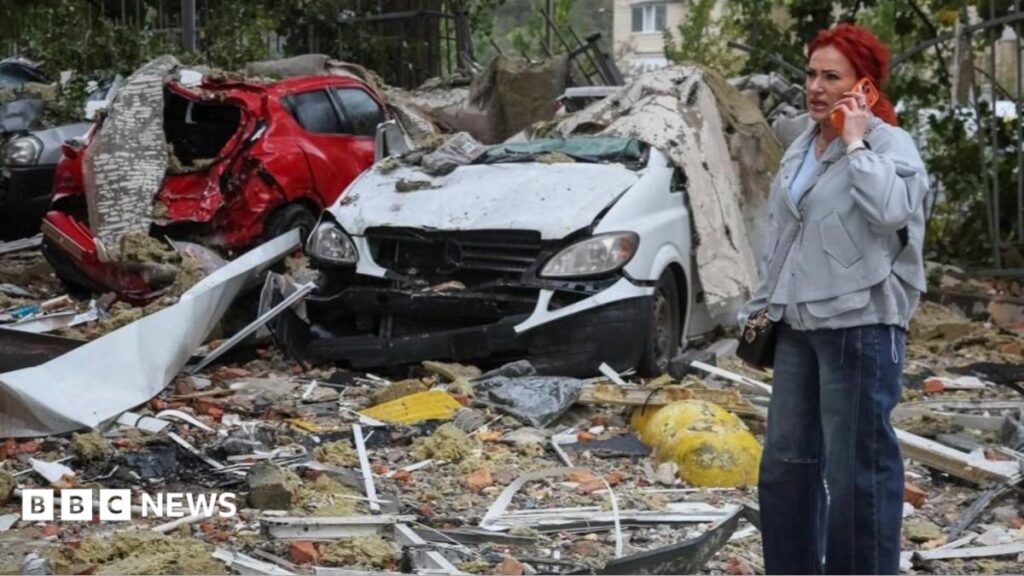
On October 22, 2026, Russian missile systems once again slammed into Kyiv, causing civilian casualties and damaging critical infrastructure. The attack came just hours after Moscow’s foreign ministry released a statement saying it was prepared, in principle, to resume peace negotiations with Kyiv and its Western partners.
U.S. President Donald Trump, speaking at a press briefing in Washington, declared that “the world is the closest we’ve been to ending this war.” His comment, broadcast worldwide, was framed as a signal that the United States would push hard for a diplomatic settlement, even as the Kremlin continued its military pressure on the Ukrainian capital.
Analysts note the paradox of simultaneous violence and diplomatic outreach. The missile barrage may be intended to strengthen Russia’s bargaining position, reminding Kyiv and its allies that the threat remains real even as talks are on the table.
Why the renewed talks matter for Africa
Africa’s economies have been quietly feeling the shockwaves of the Ukraine war for years. Ukraine and Russia together supply roughly 30 percent of the world’s wheat, and disruptions have driven up food prices across the Sahel, the Horn of Africa and parts of West Africa that rely heavily on imports.
A peace settlement could stabilise global grain markets, easing inflationary pressure on staple foods such as maize and rice. Moreover, the war has kept oil and gas prices volatile; a de‑escalation would likely lower energy costs for African nations that import refined fuels, freeing up public budgets for infrastructure and health spending.
Beyond commodities, the conflict has diverted diplomatic attention and aid dollars away from African crises. If the United States and European powers can redirect resources toward post‑war reconstruction in Ukraine, African development partners may find themselves competing for a smaller pool of foreign assistance.
Reactions across the continent and among the diaspora
African leaders have issued cautious statements. South Africa’s Department of International Relations described the Russian overture as “a potential opening for dialogue, but one that must be matched by concrete steps on the ground.” Nigeria’s foreign ministry echoed the sentiment, urging that any talks include guarantees for the safe return of displaced Ukrainians.
The African diaspora in Europe and North America has also weighed in. Community organisations in London and New York organised vigils on the same day as the missile strike, demanding an end to civilian suffering while applauding the prospect of renewed negotiations. Their voices highlight a growing awareness that wars far from the continent can still shape diaspora narratives and political activism.
In the private sector, African investors with stakes in European energy markets are watching the developments closely. A de‑escalation could reduce the risk premium on European bonds, indirectly benefiting African sovereign debt issuances that are often benchmarked against Euro‑zone rates.
What comes next: Scenarios and stakes
If Moscow’s “principle” readiness translates into a concrete agenda, the next step will likely be a multilateral summit in Geneva, where the United Nations, the European Union and the United States will push for a cease‑fire framework. Success will hinge on Kyiv’s willingness to negotiate without compromising its sovereignty, and on the West’s capacity to offer security guarantees that Moscow finds acceptable.
Conversely, if the missile attacks continue, the diplomatic momentum could evaporate, prompting the United States to consider a new round of sanctions or even limited military assistance to Ukraine. Such a move would have immediate repercussions for African economies that depend on Russian oil, as sanctions often trigger secondary effects on global supply chains.
For African policymakers, the key takeaway is to prepare contingency plans for both outcomes. Diversifying grain import sources, securing alternative energy contracts and engaging in diplomatic dialogues that link African development goals to the broader peace process will be essential strategies as the world watches the next chapter unfold.
Quick Answers
What did Russia say about returning to peace talks in October 2026?
Moscow announced it was "ready in principle" to resume peace negotiations with Ukraine and its Western allies.
How did President Donald Trump describe the state of the Ukraine war?
He said the world was "the closest we've been" to ending the war.
Why could a Ukraine peace settlement affect African economies?
A settlement could stabilise global grain supplies and lower energy prices, easing food inflation and fuel costs across Africa.
Source: www.bbc.co.uk




💬 Comments 0