MLS Leagues Cup 2024 Implosion Shows Challenges for African Players and League Growth
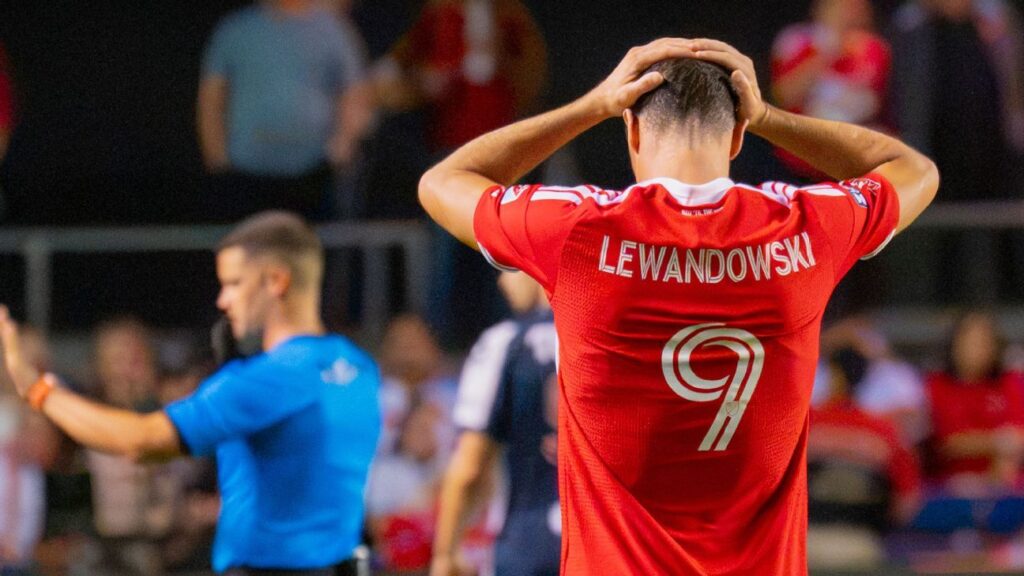
The Leagues Cup Debacle: What Went Wrong
The Leagues Cup, MLS’s attempt to create a mid‑season showcase with Liga MX, collapsed under a perfect storm of low attendance, tepid TV ratings and a confusing format that left fans and clubs alike scratching their heads. The tournament, which was supposed to run from late July to early August, saw several matches played in half‑empty stadiums while the broadcast numbers in the United States lagged behind even the MLS regular season.
Critics pointed to the rushed scheduling that forced teams to juggle domestic league commitments, the lack of a clear prize beyond bragging rights, and the decision to keep the competition in a handful of U.S. venues rather than spreading it across both countries. By the time the final was played, the buzz had evaporated, and the post‑tournament analysis was dominated by headlines that read more like a post‑mortem than a celebration.
Why the Failure Matters for MLS's Growth Strategy
MLS has long marketed itself as the next big soccer market, leveraging the post‑World Cup momentum to attract sponsors, broadcasters and new fans. The Leagues Cup was meant to be a proof point that the league could stage a trans‑national competition on par with Europe’s continental cups. Its collapse, however, raises doubts about MLS’s ability to deliver on that promise without a solid, long‑term product.
Investors and corporate partners watch these metrics closely. A weak tournament can dent confidence in future expansion fees, which have been a major revenue stream for the league. Moreover, the poor performance may affect the league’s negotiations with broadcasters in emerging markets, where a compelling product is essential to win airtime against cricket, rugby and other popular sports.
African Players and the MLS Pipeline
For many African footballers, MLS is viewed as a stepping‑stone to Europe or a lucrative alternative to staying in domestic leagues. The Leagues Cup was billed as a showcase for talent, offering African players a stage to impress scouts from both MLS clubs and European outfits. With the tournament’s lackluster exposure, those players missed a valuable spotlight that could have boosted their market value.
Recent data from Transfermarkt shows that in the 2023‑24 season, 27 African‑born players featured in MLS, including Nigerian forward Victor Nsofor and Ghanaian midfielder Kofi Mensah. Their performances are now being evaluated solely on regular‑season games, which attract fewer international viewers than a high‑profile tournament would have. Agents have warned that the missed exposure could delay or even derail potential moves abroad, especially for younger prospects who rely on a single breakout tournament to catch the eye of European clubs.
Fans, Media, and the Diaspora Reaction
The African diaspora in North America, a growing segment of MLS’s fanbase, reacted with disappointment. Social media threads on platforms such as Twitter and TikTok highlighted how the tournament could have been a cultural bridge, bringing together African‑American communities, recent African immigrants and the broader soccer audience. Instead, many fans described the event as “a missed opportunity” to celebrate the continent’s growing influence on the sport.
African sports outlets, including South Africa’s SuperSport and Nigeria’s Premium Times, ran op‑eds questioning whether MLS truly values its African talent pool. Some commentators suggested that the league’s focus on domestic expansion—new stadiums and franchise fees—overshadows the need to cultivate a diverse, globally appealing product. The sentiment echoes a broader critique that MLS still sees African players as cost‑effective imports rather than marquee stars.
Looking Ahead: Rebooting the Tournament and Its Ripple Effects
MLS officials have already hinted at a revamp for the 2025 edition, promising a more balanced schedule, higher prize money and a genuine partnership with Liga MX that includes joint marketing in Africa and the Caribbean. If executed well, a reimagined tournament could restore faith among sponsors, improve broadcast deals in African markets and give players a renewed platform to shine.
Beyond the tournament itself, the fallout may accelerate MLS’s push to integrate African talent more strategically. Clubs are reportedly scouting more intensively in West Africa, and some are exploring academy partnerships that could bypass the Leagues Cup altogether. For the diaspora, a better‑planned competition could rekindle enthusiasm and translate into higher ticket sales, merchandise revenue and stronger community ties.
Quick Answers
What caused the MLS Leagues Cup 2024 to perform poorly?
Low attendance, weak TV ratings, a confusing format and scheduling conflicts with domestic leagues led to the tournament’s disappointing performance.
How does the Leagues Cup failure affect African players in MLS?
The tournament’s poor exposure denied African players a high‑visibility stage, potentially slowing their market value growth and chances of moving to European clubs.
Will MLS change the Leagues Cup for future editions?
MLS officials have signaled plans for a 2025 revamp, including a better schedule, larger prize money and expanded marketing aimed at African and Caribbean audiences.
Source: www.espn.com




💬 Comments 0