Morocco celebrates UN resolution defeat on Western Sahara, MINURSO mandate expires Oct 2026
A brief history of the Western Sahara dispute
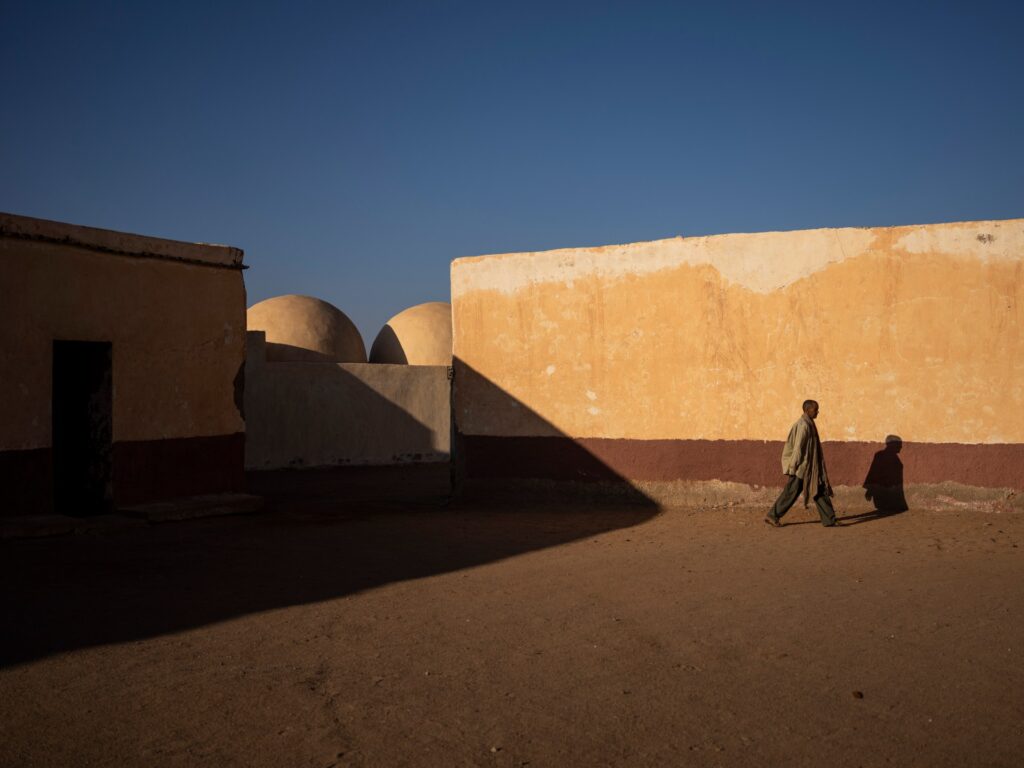
The Western Sahara, a sparsely populated desert strip bordering the Atlantic, has been a flashpoint since Spain withdrew in 1975. Morocco annexed the territory, while the Polisario Front, backed by Algeria, declared the Sahrawi Arab Democratic Republic (SADR) and launched a guerrilla war that ended in a 1991 United Nations‑brokered cease‑fire. The cease‑fire created the United Nations Mission for the Referendum in Western Sahara (MINURSO), tasked with monitoring the truce and eventually organising a self‑determination vote that has never materialised.
Over the past three decades, the promised referendum has been stalled by disagreements over voter eligibility, political will, and shifting regional alliances. Morocco has repeatedly proposed autonomy under its sovereignty, a plan rejected by the Polisario and its main supporter, Algeria. The stalemate has kept the territory in a legal limbo, with periodic flare‑ups that threaten wider North‑African stability.
The UN resolution that sparked celebration in Rabat
On 30 October 2026 the United Nations Security Council voted on a draft resolution that sought to extend MINURSO’s mandate for another year and to press for a renewed timetable for the long‑delayed referendum. The text, introduced by Algeria and supported by several European states, also called for greater transparency on human‑rights abuses in the occupied zones.
In a surprising turn, the resolution failed to achieve the nine affirmative votes required for adoption, falling short by two votes. Morocco, which had lobbied intensively against any language that might imply a future independence vote, hailed the outcome as a diplomatic triumph. The Moroccan foreign ministry released a statement declaring the vote “a clear endorsement of Morocco’s autonomy proposal and a rejection of external interference.”
Why Morocco is cheering – the political calculus
For Rabat, the defeat of the resolution removes a key lever that the international community could use to pressure the kingdom into a negotiated settlement. By keeping MINURSO’s mandate from being formally extended, Morocco hopes to argue that the mission has outlived its usefulness and that any future UN involvement should be on its terms, not those of the Polisario or Algeria.
Analysts cited by the African Union’s Department of Political Affairs suggest that the Moroccan government also sees the vote as a way to bolster its domestic narrative ahead of upcoming parliamentary elections. Winning a symbolic victory at the UN allows King Mohammed VI to portray himself as a statesman defending national sovereignty, a message that resonates strongly with nationalist voters across the country.
Regional reverberations – what neighbours are watching
Algeria, the principal backer of the Polisario Front, condemned the vote as “a setback for Sahrawi self‑determination” and warned that the impasse could destabilise the Maghreb. In Algiers, protests erupted outside the Algerian embassy in Paris, reflecting diaspora frustration that the UN’s leverage appears to be waning.
Beyond the immediate rivals, other African states are recalibrating their diplomatic postures. The Economic Community of West African States (ECOWAS) has called for a “renewed African‑led mediation” that would sidestep the UN, while the Southern African Development Community (SADC) remains cautious, fearing that any perceived favouritism toward Morocco could alienate Algeria, a key energy partner for many southern economies.
What’s next for the Western Sahara and for African diplomacy?
With MINURSO’s mandate set to lapse on 31 December 2026, the United Nations faces a choice: negotiate a new, possibly slimmer, mandate with Morocco’s consent, or let the mission unwind entirely. Sources close to the UN Secretariat say that a “technical extension” is being discussed to avoid a vacuum that could trigger renewed armed clashes.
For African actors, the episode underscores a growing trend of regional powers seeking to bypass traditional UN mechanisms when they clash with national interests. The African Union, which has long championed the principle of self‑determination, may now push for an AU‑mediated framework that could include economic incentives for both Morocco and the Polisario. How that framework is received will likely shape not only the future of Western Sahara but also the credibility of continental conflict‑resolution institutions.
Quick Answers
What was the UN resolution on Western Sahara that Morocco celebrated the defeat of?
It was a Security Council draft to extend MINURSO’s mandate for a year and to restart the stalled referendum process, which failed to pass on 30 October 2026.
When does MINURSO’s current mandate expire?
The mission’s mandate is set to expire on 31 December 2026 unless the UN adopts a new extension.
How does the resolution’s defeat affect the Sahrawi people?
The defeat removes a UN‑backed avenue for pushing a referendum, prolonging the political deadlock and keeping the Sahrawi’s aspirations for self‑determination unresolved.
Source: www.aljazeera.com


💬 Comments 0