Mother and daughter die in suspected grizzly bear attack near Prince George, BC, 2026
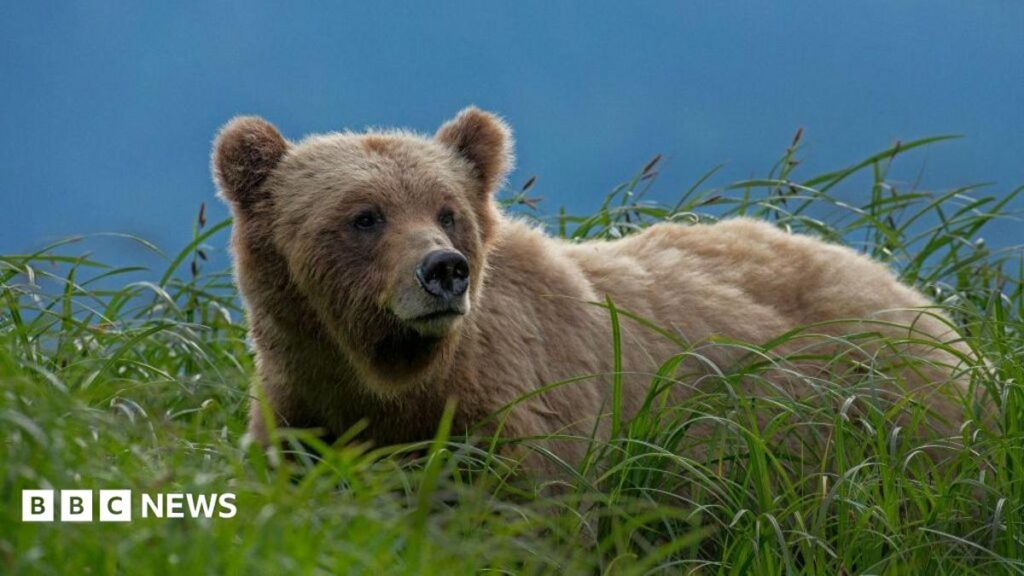
What happened on the remote trail
On the morning of 2 November 2026, park rangers in British Columbia received a distress call from a group of hikers who had discovered the bodies of a mother, 42, and her 16‑year‑old daughter, near a popular backcountry route east of Prince George. The pair had been on a two‑day trek through the Cariboo‑Chilcotin forest when they vanished, prompting a search that turned into a grim recovery operation. Authorities say the scene showed deep lacerations and signs of a struggle, leading investigators to conclude that an animal was likely involved.
The provincial Ministry of Forests and Range released a brief statement confirming that forensic analysis of the wounds pointed to a large predator, most plausibly a grizzly bear, though no definitive proof such as bite marks or DNA was yet available. The victims were residents of Vancouver who had taken a weekend trip to explore the wilderness, a pastime that has surged in popularity among urban Canadians seeking a break from city life.
Why the attack is raising alarm among wildlife officials
Grizzly bears in British Columbia have been listed as a threatened species for more than a decade, and their numbers have been slowly rebounding thanks to stricter hunting limits and habitat protection. However, wildlife biologists warn that the same conservation successes can create new friction points when bears and humans share increasingly overlapping spaces. According to Dr. Elena Ramos of the University of Victoria’s wildlife ecology department, climate‑induced shifts in berry and salmon runs are forcing bears to roam farther in search of food, raising the odds of surprise encounters with hikers.
The incident also comes at a time when the province is revisiting its bear‑management policies. In a recent press conference, the BC Ministry of Forests said it would accelerate the rollout of bear‑avoidance education programs for backcountry users and consider expanding the network of bear‑proof food storage lockers in popular trailheads. The goal, officials stress, is to reduce the temptation for bears to approach campsites, a factor that has been linked to several previous attacks in the province.
Implications for tourism and African travelers
Adventure tourism is a growing segment of Canada’s economy, and the Pacific Northwest draws a sizeable number of visitors from the African diaspora, especially Nigerians, Kenyans and South Africans who seek rugged experiences abroad. Travel agencies catering to these markets often market BC’s backcountry as a safe, well‑managed alternative to the more remote regions of Alaska or Patagonia. A high‑profile fatality, however, can quickly alter perception, prompting travel advisories and prompting potential visitors to reconsider itineraries that involve overnight camping.
In response, several tour operators based in Lagos and Nairobi have already updated their safety briefings, emphasizing the importance of using bear‑proof containers, traveling in groups, and hiring local guides familiar with wildlife patterns. The Canadian Tourism Commission’s latest report notes that while overall visitor numbers from Africa to Canada rose 12 % in 2025, any negative press around wildlife safety could stall that momentum, especially as prospective tourists compare BC’s risk profile with emerging African eco‑tourism destinations that market themselves as “low‑risk” for large‑predator encounters.
A global pattern of rising human‑wildlife conflict
The tragedy in British Columbia mirrors a wider trend seen across continents: as human populations expand into formerly remote habitats, confrontations with large mammals are becoming more frequent. In East Africa, for example, the past three years have seen a 27 % increase in reported lion and elephant incidents involving tourists and local herders alike, according to the African Wildlife Foundation. Experts attribute the surge to habitat fragmentation, poaching pressures that force animals onto agricultural land, and climate variability that reshapes food availability.
What ties these disparate regions together is a shared need for proactive coexistence strategies. In both Canada and several African nations, authorities are experimenting with early‑warning systems, community‑based monitoring, and stricter waste‑management rules to keep food sources away from wildlife. The British Columbia case could serve as a cautionary example for African park managers: even well‑intentioned conservation successes can backfire if human behavior does not adapt in step with wildlife recovery.
What comes next: investigations, policy shifts and public safety
The RCMP’s wildlife crime unit has taken over the on‑site investigation, working alongside forensic pathologists to confirm the species responsible and to determine whether the victims inadvertently provoked the bear. A full report is expected within the next six weeks, and its findings will likely inform any legal or regulatory changes. Meanwhile, provincial officials have urged all backcountry users to postpone overnight trips in high‑risk zones until additional safety measures are in place.
Long‑term, the province plans to increase funding for bear‑behavior research and to expand the “Bear Aware” certification program for guides and outfitters. If the investigation confirms a grizzly involvement, it could also trigger a review of the current hunting quotas for the species, a politically sensitive issue that pits conservation groups against rural hunting communities. For African tourists and diaspora travelers, the key takeaway will be to stay informed about evolving safety guidelines and to choose operators who prioritize wildlife‑responsible practices.
Quick Answers
Who were the victims in the British Columbia bear incident?
The victims were a 42‑year‑old mother and her 16‑year‑old daughter from Vancouver who were hiking near Prince George, BC.
Where exactly did the suspected grizzly bear attack occur?
The incident took place in the remote backcountry of the Cariboo‑Chilcotin forest, east of Prince George, British Columbia.
What actions are Canadian authorities taking after the attack?
Authorities have launched a forensic investigation, are reviewing bear‑safety protocols, and plan to expand bear‑proof storage and education programs for backcountry visitors.
Source: www.bbc.co.uk




💬 Comments 0