Nepal 2026 Flood Crisis: Over 1,000 Dead, UN Calls for Massive Relief and Climate Action
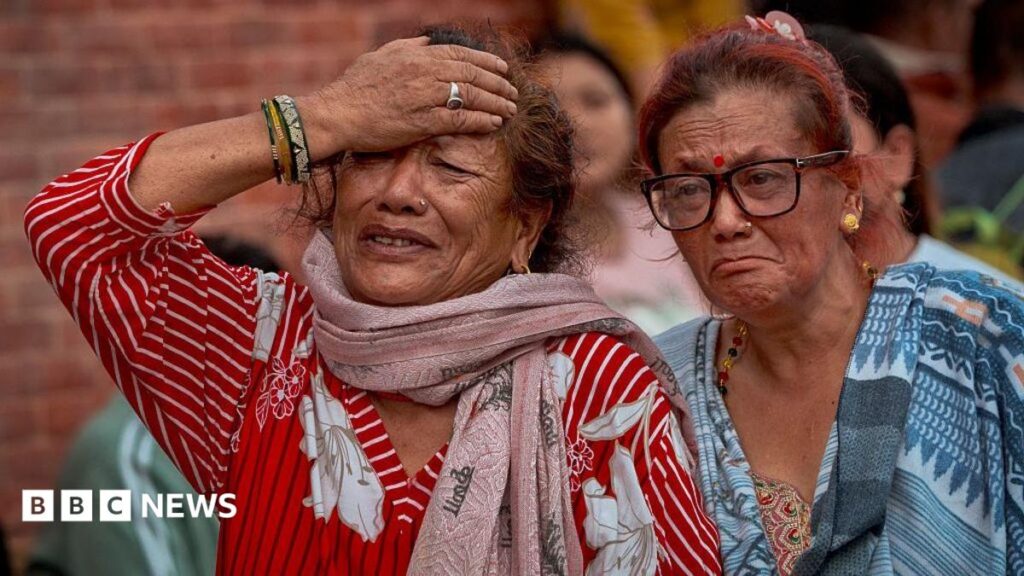
A monsoon season turned catastrophic
Every June, the Himalayas unleash a powerful monsoon that drenches the low‑lying Terai plains and the steep valleys of central Nepal. While the rains are essential for rice cultivation, they also test the fragile river‑banking systems that have been built over decades with limited engineering standards.
In early August 2026, an unprecedented convergence of high‑altitude snow melt and a slow‑moving low‑pressure system caused the Koshi, Gandaki and Kosi rivers to burst their banks simultaneously. Satellite imagery later showed water levels rising more than three metres above normal in several key floodplains, submerging entire villages within hours.
The human toll mounts as rescue operations scramble
The United Nations Office for the Coordination of Humanitarian Affairs (OCHA) reported that the death count had crossed the 1,000 mark by September 1, with thousands more listed as missing. The worst‑hit districts include Sunsari, Morang and Sindhuli, where entire hamlets were swept away by flash floods and landslides triggered by the deluge.
Rescue teams from the Nepalese army, the National Disaster Risk Reduction and Management Authority and dozens of NGOs are now operating on foot, by boat and via helicopters. Airlifting of food, medicine and temporary shelter kits has begun, but the rugged terrain and ongoing after‑shocks continue to hamper access to the most isolated settlements.
Why the disaster matters beyond Nepal’s borders
The scale of the catastrophe highlights a broader pattern of climate‑driven extreme weather across South Asia. Scientists at the International Centre for Integrated Mountain Development (ICIMOD) warn that warming temperatures are accelerating glacier melt, which in turn amplifies monsoon runoff and raises flood risk for millions downstream.
Beyond immediate humanitarian concerns, the floods threaten food security for a region that already imports a sizable share of its staple grains. Disruption of the Terai’s rice fields could push prices higher across Nepal, India and Bangladesh, feeding into inflationary pressures already felt in global markets.
African and diaspora links in the relief effort
African NGOs are not absent from the response. The Kenyan‑based humanitarian group Mercy Corps Africa dispatched a rapid‑response team to coordinate cash‑based assistance, a model that has proved effective in East African drought emergencies. Their presence underscores a growing trend of South‑South cooperation in disaster relief.
The Nepali diaspora in the United Kingdom, Canada and the United States has mobilised a parallel fundraising drive, raising over £2 million within 48 hours through platforms such as GoFundMe and local community centres. Some of the funds are earmarked for micro‑grants that enable flood‑hit families to rebuild homes using climate‑resilient materials, a practice championed by diaspora‑led NGOs in Kenya and Uganda.
International aid flows and funding gaps
The UN has appealed for $500 million to cover emergency shelter, clean water, and disease‑prevention measures for the next six months. While the European Commission pledged €120 million and Japan announced a JPY 15 billion package, donors from the Global South have been slower to respond, citing their own fiscal constraints.
Experts say the funding shortfall reflects a systemic issue: most climate‑related disaster financing still relies on bilateral aid rather than multilateral climate funds. If the gap persists, Nepal could face a protracted recovery phase, with reconstruction costs estimated at twice the immediate humanitarian budget.
Looking ahead: rebuilding with climate resilience
In the weeks ahead, the Nepali government plans to launch a “Flood‑Proof Nepal” program that will combine river‑bank reinforcement, early‑warning systems and community‑level training. The initiative is modeled after Rwanda’s successful landslide‑risk reduction strategy, which blended local labour with low‑cost engineering solutions.
Long‑term, the disaster may accelerate policy shifts toward stricter land‑use planning in the flood‑prone Terai. Urban planners are already debating whether to relocate informal settlements away from river corridors, a move that could affect millions of low‑income residents but also reduce future loss of life.
Quick Answers
How many people have died in Nepal's 2026 floods?
More than 1,000 people have been confirmed dead, according to the United Nations.
What is the UN's financial appeal for Nepal's flood relief?
The UN has asked for $500 million to fund emergency shelter, clean water and disease‑prevention measures.
Are any African organisations involved in the relief effort?
Yes, Mercy Corps Africa and several diaspora‑led groups are providing cash assistance and climate‑resilient rebuilding support.
Source: www.bbc.co.uk




💬 Comments 0