Netanyahu sues Israeli newspaper over UAE warning claim about 7 Oct 2023 attack, 2026 lawsuit details
Background: The legal clash between Netanyahu and the press
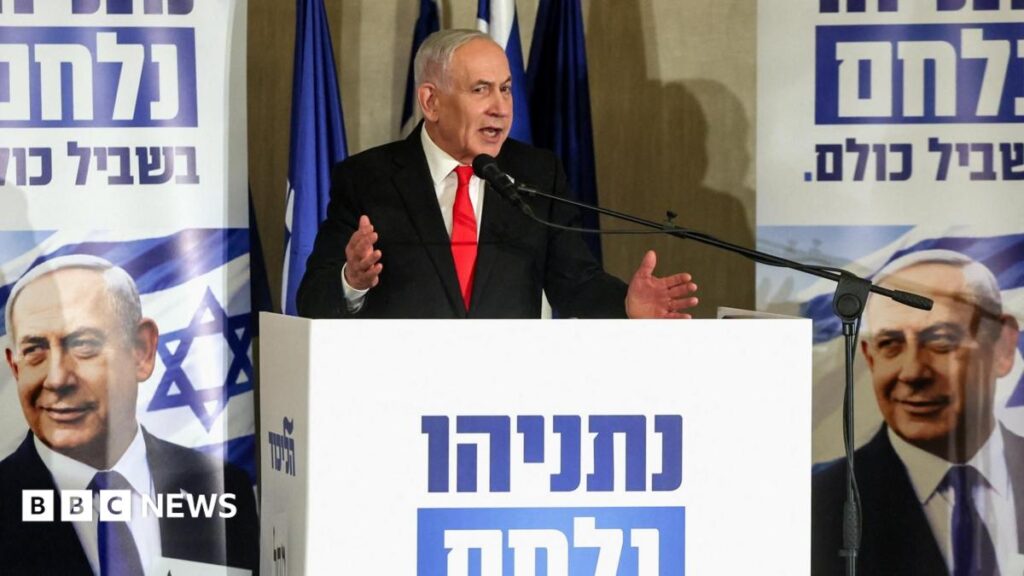
In early September 2026 Israeli Prime Minister Benjamin Netanyahu announced his intention to file a lawsuit against the daily newspaper *Haaretz* for publishing a story that suggested the United Arab Emirates had warned him about the Hamas attack on October 7, 2023. The move marks a rare escalation in Israel’s ongoing battle with media outlets that it believes have crossed the line from reporting to defamation.
Netanyahu’s legal team argues that the claim damages his reputation and undermines Israel’s diplomatic standing, especially given the sensitive nature of the Abraham Accords. The suit seeks both monetary damages and a formal retraction, according to a statement released by the prime minister’s office.
The newspaper, a long‑standing critic of the government, has defended its reporting, saying it relied on excerpts from a 2025 book by former UAE diplomat Khalid Al‑Mansoori that alleged a warning was passed through back‑channel contacts. *Haaretz* insists the story is based on verifiable sources and that any correction would be a surrender to political pressure.
The claim and its source: How the UAE warning entered the narrative
The controversial assertion first appeared in Al‑Mansoori’s memoir, *Bridges Over Sand*, where he wrote that senior UAE officials had privately informed Israeli leaders of an imminent Hamas operation, hoping to avert a regional crisis. The book, published in late 2025, sparked heated debate in diplomatic circles but was never officially confirmed by either government.
When *Haaretz* quoted the passage, it framed the story as an investigative piece that questioned whether Israel had ignored a credible warning. Critics of the article argue that the newspaper failed to provide corroborating evidence beyond the memoir, while supporters say the piece shines a light on a possible missed opportunity for peace.
Netanyahu’s reaction has been swift. In a televised address, he dismissed the claim as “a baseless rumor designed to tarnish Israel’s security decisions.” Legal analysts note that suing a newspaper over a single article is unusual in Israel, where defamation cases often settle out of court.
Why the lawsuit matters for Israel, the UAE and broader Middle‑East diplomacy
If the court rules in Netanyahu’s favor, it could set a precedent that discourages journalists from probing sensitive diplomatic exchanges, especially those involving the Abraham Accords. The Accords, signed in 2020, have been a cornerstone of Israel’s strategy to normalize ties with Gulf states, and any suggestion that a key partner warned Israel of a terrorist attack could strain that fragile trust.
For the UAE, the allegation threatens its image as a stabilizing force in the region. While the Emirati government has not publicly responded to the lawsuit, diplomatic insiders say that any admission of a warning could be leveraged by rival states to question the UAE’s neutrality and its role as a mediator.
Internationally, the case highlights how post‑conflict narratives are still being contested years after the events. Scholars of conflict resolution note that the way the 7 October attack is remembered will influence future security cooperation, and legal battles over the story could either cement a unified narrative or deepen divisions.
Ripple effects for Africa: Energy markets, diaspora, and media freedom
African countries that rely on Gulf oil and gas imports watch Middle‑East diplomatic shifts closely. A rupture between Israel and the UAE could push the UAE to prioritize other markets, potentially affecting crude supplies to North Africa and the Sahel, where energy security remains fragile.
The sizeable Israeli and Arab diasporas in South Africa, Kenya, and Nigeria have also taken note. Community leaders in Johannesburg reported heightened tensions at cultural events, with some fearing that the lawsuit could inflame anti‑Arab sentiment. Conversely, pro‑Israel groups have used the case to argue that media bias against Israel is a global problem that also impacts African journalists covering the region.
Press freedom advocates across the continent see the lawsuit as a warning sign. The African Centre for Media Excellence warned that high‑profile defamation suits in powerful nations can embolden governments elsewhere to silence critical reporting. “When a prime minister sues a newspaper for a single story, it sends a chilling message to reporters from Cairo to Lagos,” said the centre’s director, Aisha Ndlovu.
A broader trend: Leaders taking legal action against the press
Netanyahu’s move is part of a growing global pattern where political leaders use defamation laws to challenge media outlets. In the past year, former UK Prime Minister Boris Johnson faced multiple libel suits, while Brazil’s president filed a case against a broadcaster for alleged misinformation about the Amazon fires.
Legal scholars argue that these cases often blur the line between protecting reputation and suppressing dissent. A recent study by the International Press Institute found that 42 % of defamation cases involving heads of state in the last decade were dismissed, but the legal costs alone forced many outlets to settle.
The Israeli case could become a litmus test for how courts balance national security concerns with freedom of expression. If the judiciary demands a full retraction, it may encourage other leaders to pursue similar strategies, potentially reshaping the media landscape worldwide.
What’s next: Possible outcomes and their implications
The lawsuit is expected to be filed in the Tel Aviv District Court within the next two weeks. Legal experts predict three likely scenarios: a full dismissal, a negotiated settlement with a public apology, or a court‑ordered correction and damages. Each outcome carries distinct ramifications for Israel’s diplomatic posture and media freedom.
A dismissal would reinforce the press’s right to investigate high‑profile claims, but it could also deepen Netanyahu’s frustration with what he perceives as hostile coverage. A settlement, on the other hand, might be interpreted as a tacit acknowledgment that the story lacked sufficient evidence, potentially prompting the UAE to clarify its stance on the alleged warning.
Regardless of the verdict, the case will likely fuel further debate in Israel, the UAE, and African nations about how historical events are documented and who gets to shape the narrative. For African journalists covering the Middle East, the lawsuit serves as a reminder to corroborate sources meticulously while navigating the political sensitivities that accompany cross‑regional reporting.
Quick Answers
Why is Netanyahu suing *Haaretz* over the UAE warning claim?
He says the article defames him and damages Israel’s diplomatic reputation by suggesting the UAE warned him about the 7 Oct 2023 Hamas attack.
How could the lawsuit affect African energy markets?
A strained Israel‑UAE relationship might shift UAE oil exports toward Africa, impacting supply dynamics and prices in North Africa and the Sahel.
What precedent could this case set for press freedom?
If the court orders a retraction, it could encourage other leaders to use defamation suits to curb critical reporting worldwide.
Source: www.bbc.co.uk




💬 Comments 0