New Orleans cruise ship collision rescues all, 32 injured – ‘Miracle on Mississippi’ 2026
Background: Mississippi River traffic and cruise tourism
The Mississippi River has long been a bustling artery for commercial barges, oil tankers and, increasingly, river‑cruises that showcase the Gulf Coast’s historic ports. In recent years, New Orleans’ waterfront has attracted dozens of cruise operators offering short‑haul trips that appeal to U.S. vacationers as well as international tourists from Europe, the Caribbean and Africa. The city’s cruise market contributed roughly $1.2 billion to the local economy in 2025, according to the New Orleans Convention and Visitors Bureau, and the sector is seen as a growth engine for hospitality jobs and ancillary services.
At the same time, the river’s narrow channels and shifting sandbars pose navigation challenges, especially during the spring when water levels rise and traffic density peaks. The U.S. Coast Guard monitors vessel movements through a network of radar stations, but the mix of high‑speed passenger ships and slower, heavily laden barges creates a complex environment where miscommunication can quickly turn hazardous.
The collision: what happened on the Mississippi
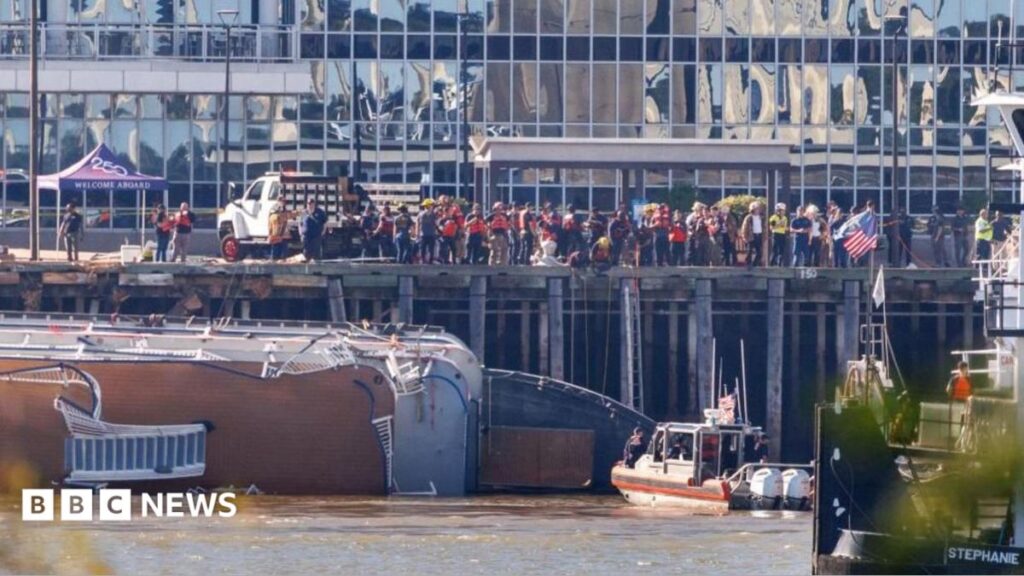
On the evening of 13 November 2026, the luxury cruise liner Oceanic Odyssey, carrying 1,200 passengers and crew, entered the lower Mississippi near the Algiers Point bridge. According to the U.S. Coast Guard’s preliminary report, the ship’s bow struck a towed barge that was pulling a container vessel upstream. The impact caused a 12‑foot breach in the hull, flooding two forward compartments and triggering the vessel’s automatic fire‑suppression system.
Witnesses on nearby docks described a sudden jolt followed by a plume of white water and foam. The captain ordered an immediate stop and activated the ship’s emergency muster protocol. Within minutes, all passengers were instructed to don life jackets and move to designated muster stations, while crew members began deploying inflatable liferafts as a precaution.
Immediate response and rescue operations
The Coast Guard cutter Robert Miller arrived on scene within ten minutes, followed by three additional patrol boats and a helicopter from the New Orleans Air Station. Rescue teams coordinated with the cruise line’s own safety crew, and together they escorted the ship to the nearest dock for evacuation. All 1,200 passengers were transferred to shore facilities without a single person missing, a feat the Coast Guard described as “a textbook example of joint maritime emergency response.”
Medical personnel from the Louisiana Department of Health set up triage stations on the dock. While 32 people required hospital care for bruises, sprains and mild respiratory irritation from the water spray, none of the injuries were deemed life‑threatening. The passengers were later offered complimentary accommodation and transportation by the cruise operator while repairs to the vessel began.
Why it matters beyond New Orleans
The incident underscores the growing tension between commercial river traffic and the expanding leisure‑cruise industry on inland waterways. Analysts at Bloomberg noted that the collision could prompt the Federal Maritime Commission to revisit safety protocols that were originally designed for oceanic routes, not congested river systems. A stricter set of navigation rules could increase operational costs for cruise lines, potentially translating into higher ticket prices for consumers.
Insurance firms are also watching closely. Marine insurers have warned that repeated incidents on U.S. rivers could lead to higher premiums for operators that lack advanced collision‑avoidance technology. In turn, the added expense may discourage smaller cruise operators—many of which rely on niche markets such as African diaspora tours—from expanding their itineraries along the Gulf Coast.
Implications for African travelers and the diaspora
A sizable proportion of the passengers on the Oceanic Odyssey were part of organized tours from the African diaspora, particularly Nigerians, Ghanaians and South Africans seeking a weekend getaway after attending cultural festivals in New Orleans. Travel agencies in Lagos and Accra reported that the cruise had been marketed as a “Pan‑African river adventure” that combined live music, Creole cuisine and networking events for business owners. The abrupt cancellation of the voyage has left dozens of travelers scrambling for refunds and alternative arrangements, exposing the limited consumer‑protection mechanisms for overseas cruise bookings.
The incident may also affect future demand for U.S. river cruises among African tourists. According to a survey by the African Travel Association conducted in October 2026, 42 % of respondents said a safety incident would make them reconsider booking similar experiences abroad. Travel operators are now likely to reassess their risk‑assessment frameworks, possibly demanding higher guarantees from U.S. partners or shifting focus to coastal itineraries that are perceived as safer.
What comes next: regulatory and industry outlook
The Coast Guard has launched a full investigation, with a final report expected within 90 days. Early recommendations may include mandatory use of AIS (Automatic Identification System) transponders for all tow vessels, tighter speed limits in high‑traffic zones, and mandatory joint‑drill exercises between commercial barges and passenger ships. Lawmakers in the U.S. House Transportation Committee have already signaled interest in holding a hearing to examine whether current river‑navigation rules adequately protect large passenger vessels.
For the cruise industry, the incident is a catalyst to accelerate adoption of next‑generation radar and AI‑driven collision‑avoidance tools that can differentiate between fast‑moving ships and slow‑pushed barges. Companies that invest early could gain a competitive edge, especially in markets where safety perception drives booking decisions—such as the growing African diaspora segment. Meanwhile, the short‑term impact on the New Orleans tourism economy is expected to be modest, as the city’s broader attractions and upcoming Mardi Gras celebrations will likely draw visitors back in the weeks ahead.
Quick Answers
How many people were injured in the New Orleans cruise ship collision?
Thirty‑two passengers and crew were hospitalized with non‑critical injuries.
Were any passengers missing after the collision?
No, all passengers were rescued and accounted for.
What caused the cruise ship to collide on the Mississippi River?
Preliminary reports say the cruise ship struck a barge that was towing a cargo vessel, but the investigation is ongoing.
Source: www.bbc.co.uk



💬 Comments 0