New Orleans cruise ship collision with cargo vessel in 2026 sparks safety review and impacts African diaspora travelers
Background: New Orleans as a hub for cruise and cargo traffic
The Port of New Orleans has long been a crossroads for both leisure and commerce, handling roughly 2.5 million passengers a year and moving over 30 million tons of cargo annually. Its strategic location on the Mississippi River makes it a natural gateway for cruise lines that want to offer inland river experiences, while its deep‑water berths accommodate some of the world’s largest container ships.
In recent years, the port has seen a surge in cruise itineraries that cater to African‑American and Caribbean diaspora markets. Operators such as Norwegian Cruise Line and MSC have added New Orleans departures for voyages that stop in the Bahamas, Mexico, and even the West African coast, drawing travelers who value a blend of cultural heritage and leisure.
At the same time, the cargo side of the terminal has grown in complexity, with a mix of bulk carriers, feeder vessels, and intermodal trucks sharing narrow waterways. This increased density has raised concerns among maritime safety experts about the risk of accidents in confined river channels, especially during high‑traffic seasons.
What happened: A cargo ship collides with a docked cruise liner
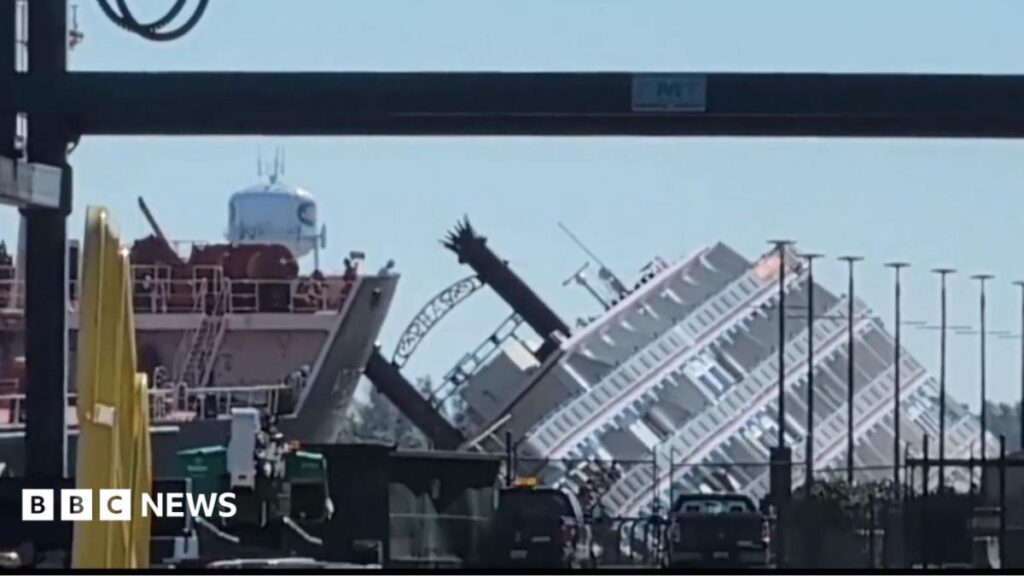
On the morning of 13 November 2026, the 250‑metre cargo vessel MV Mercury, bound for the Port of New Orleans with a load of steel girders, lost steering control while navigating the Mississippi approach. The ship drifted into the berth where the luxury cruise liner Oceanic Voyager, a 300‑metre vessel operated by Royal Caribbean International, was moored for a scheduled embarkation of 4,200 passengers.
Witnesses reported a loud impact followed by a brief surge of water along the dock. The Oceanic Voyager listed a few degrees but remained afloat. Emergency crews from the U.S. Coast Guard, the port authority, and the cruise line’s own safety team responded within minutes, evacuating passengers to shore facilities while conducting a rapid damage assessment.
According to a statement released by the U.S. Coast Guard, all passengers and crew were accounted for and no serious injuries were reported. The cargo ship’s captain was taken into custody for a preliminary inquiry, and both vessels were secured for a joint inspection by the National Transportation Safety Board (NTSB) and the Maritime Administration.
Why it matters: Safety, insurance and the broader cruise industry
The incident has reignited debate over the adequacy of current navigation protocols in busy inland ports. Maritime safety analysts point out that while open‑ocean collisions are rare, riverine accidents can cause disproportionate damage because of limited maneuvering space and the proximity of passenger vessels to commercial traffic.
Insurance premiums for cruise operators have already risen after a string of high‑profile incidents in the Atlantic and Caribbean. A collision in a U.S. port could push underwriters to demand higher coverage limits for vessels docked in congested waterways, potentially raising ticket prices for travelers on routes that include New Orleans.
Beyond the immediate financial impact, the episode may influence itinerary planning. Cruise lines might reconsider the number of ships they berth at river ports, opting instead for larger offshore terminals that offer more room for safe navigation. Such a shift could affect local economies that rely on cruise‑related tourism revenue, including hotels, restaurants, and cultural attractions.
African diaspora angle: How the accident reverberates among Black travelers and West African cruise markets
New Orleans has become a cultural touchstone for African‑American tourists, many of whom choose the city as a departure point for cruises that celebrate Black heritage, such as the annual “African Diaspora Voyage” that sails to Senegal, Ghana, and the Canary Islands. The sudden disruption of a major cruise schedule sends ripples through this niche market, where travelers often book months in advance to align with family reunions or cultural festivals.
Travel agents serving the diaspora reported a surge in inquiries about refunds and alternative itineraries within hours of the collision. Some agencies are already rebooking passengers on later sailings from Miami or Tampa, which could lengthen travel time and increase costs for families who had planned a short, affordable vacation.
The incident also highlights a broader trend: West African ports such as Lagos, Abidjan, and Dakar are increasingly courting Western cruise operators. If safety concerns in U.S. inland ports grow, cruise lines may accelerate investments in dedicated African terminals, a move that could boost tourism infrastructure on the continent but also shift the competitive balance away from U.S. gateways.
Reactions and next steps: Investigations, regulatory scrutiny and industry response
The NTSB announced that a full investigation will examine the cargo ship’s mechanical logs, the pilot’s communications, and the adequacy of the port’s traffic‑management system. Findings are expected within six months, with a public hearing slated for early 2027. The Coast Guard has already ordered a temporary suspension of cargo vessel movements in the immediate vicinity of passenger berths until safety measures are reviewed.
Industry groups, including the Cruise Lines International Association (CLIA), have called for a joint task force to develop stricter separation standards between commercial and passenger vessels in river ports. In a press release, CLIA’s senior vice president for safety, Maria Delgado, said that “the safety of our guests is non‑negotiable, and we will work with regulators to ensure that similar incidents are prevented.”
For African‑focused travel operators, the episode underscores the need for diversified departure points. Several agencies are now negotiating contingency clauses with cruise lines that guarantee alternative embarkation ports at no extra charge, a practice that could become standard for diaspora‑targeted cruises if the New Orleans incident leads to longer‑term operational changes.
Quick Answers
Were there any injuries in the New Orleans cruise ship collision?
No serious injuries were reported; the U.S. Coast Guard confirmed that all passengers and crew were accounted for.
How might this accident affect African‑American travelers planning cruises from New Orleans?
The disruption may force rebookings to other ports, potentially raising costs and extending travel time for diaspora travelers.
What investigations are being launched after the collision?
The NTSB will conduct a full investigation into the cargo ship’s failure, while the Coast Guard has temporarily halted cargo traffic near passenger berths.
Source: www.bbc.co.uk



💬 Comments 0