Nigerian Stock Market Slides N4.5tn in Six Days After NGX Execs Meet President Tinubu – What It Means for Investors and the Economy
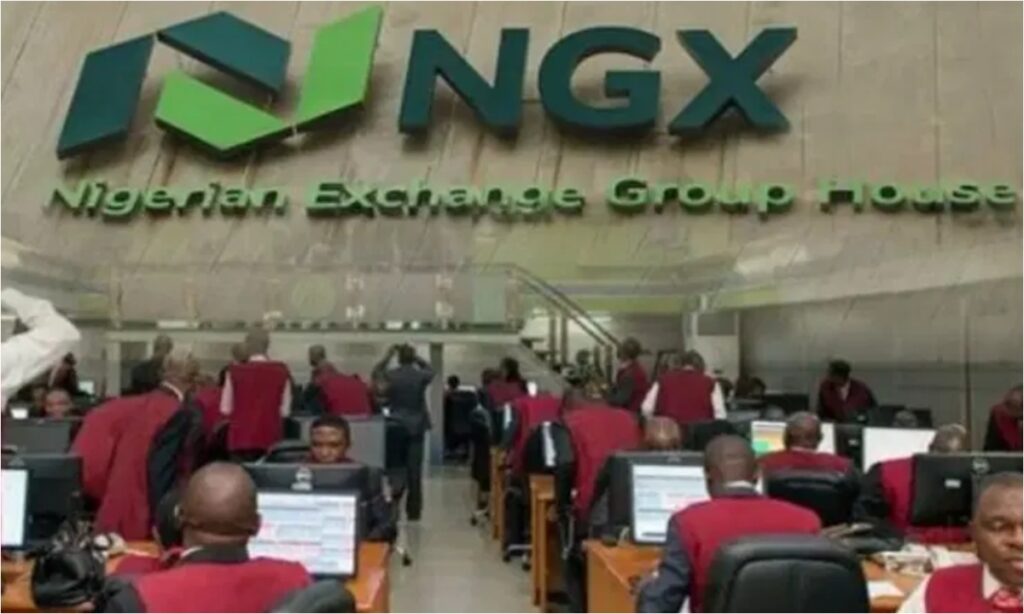
Background: A Market Already on Edge
The Nigerian Exchange Group (NGX) entered 2026 with a fragile recovery after a year of double‑digit inflation, foreign‑exchange shortages and a series of policy reversals that rattled confidence. By early August, the benchmark NSE All‑Share Index was hovering just above 1,500 points, a level still far below its 2022 peak. Pension fund managers, retail investors and the burgeoning diaspora‑funded tech‑sector had all been watching for any signal that the Tinubu administration would cement a credible macro‑economic plan.
Against that backdrop, NGX’s senior management announced a high‑profile visit to President Bola Ahmed Tinubu’s office in Abuja on 13 August. The trip was billed as a “strategic dialogue” on market reforms, capital‑market infrastructure and the pending rollout of a new digital trading platform. While the meeting itself was not unusual – previous exchanges have routinely briefed the presidency – the timing coincided with a volatile foreign‑exchange market and a looming fiscal deadline for the 2027 budget.
What Happened: Six Sessions, N4.5 trillion Gone
From 14 August through 19 August, the NSE All‑Share Index fell an average of 2.3 percent per session, erasing roughly N4.5 trillion in market capitalisation. The first four days of the slide wiped out N3.8 trillion, a loss that analysts at Meristem Securities described as “the biggest single‑week erosion since the 2020 pandemic crash.” On Monday, investors shed an additional N106 billion, and on Tuesday another N544 billion, pushing the cumulative decline to the six‑session total.
The market’s reaction was not driven by a single news item but by a confluence of signals that investors interpreted as uncertainty. Shortly after the Tinubu meeting, the Ministry of Finance released a draft amendment to the Capital Market Act that would tighten listing requirements for fintech firms. At the same time, the Central Bank of Nigeria (CBN) postponed its promised “FX window” reform, leaving companies still struggling to convert export earnings. The combination of a perceived regulatory tightening and lingering liquidity constraints amplified sell‑offs across banking, oil‑service and consumer‑goods stocks.
Why It Matters: Ripple Effects Across the Economy
The loss of N4.5 trillion is more than a headline number; it translates into real wealth erosion for millions of Nigerians. Pension schemes, which are required by law to hold at least 30 percent of assets in equities, saw their net asset values dip sharply, prompting the Pension Commission to warn of potential funding gaps for retirees. Retail investors, many of whom are first‑time traders using mobile platforms, faced margin calls that forced them to liquidate positions at a loss, eroding trust in the market’s stability.
For the broader economy, a weakened equity market hampers the government’s ability to raise capital through bond‑to‑equity swaps or future privatizations. The NGX has been courting foreign institutional investors to fund infrastructure projects such as the Lagos‑Ibadan railway upgrade. A sustained bearish trend raises the cost of capital, making it harder for the Tinubu administration to meet its 2027 infrastructure budget without resorting to higher borrowing, which could further pressure the already volatile naira.
The diaspora community, which annually channels an estimated $2 billion into Nigerian securities via offshore accounts, also feels the pinch. Many diaspora investors use the market as a hedge against currency depreciation, and a sharp equity decline often forces them to shift assets into more stable foreign bonds, draining capital that could otherwise support domestic growth.
Connecting the Dots: A Pattern of Policy‑Driven Volatility
Nigeria’s stock‑market turbulence is not an isolated episode. Since 2022, every major policy announcement – from the removal of fuel subsidies to the introduction of a new value‑added tax – has been followed by a measurable dip in the NSE index. Researchers at the University of Lagos note that “policy uncertainty, measured by the number of presidential decrees per quarter, explains roughly 38 percent of daily index variance.” This pattern mirrors the experience of other emerging markets where fiscal and monetary signals are often ambiguous.
The NGX episode also dovetails with a regional trend: several West African exchanges, including Ghana’s GSE and Côte d’Ivoire’s Bourse Régionale des Valeurs Mobilières, have reported heightened volatility after government‑led reforms. Analysts argue that a shared challenge is the reliance on a single commodity (oil in Nigeria’s case) and the need to diversify financing sources. The repeated market sell‑offs suggest that investors are demanding clearer, longer‑term policy roadmaps rather than ad‑hoc dialogues with the presidency.
What’s Next: Potential Pathways and Risks
In the short term, market watchers expect a modest rebound if the NGX and the Ministry of Finance can quickly clarify the pending Capital Market Act amendment. Sources close to the Ministry say a revised draft will be released within the next two weeks, aiming to balance investor protection with the government’s goal of encouraging fintech listings. A transparent rollout could restore some confidence, especially if paired with a concrete timeline for the CBN’s FX window.
Long‑term solutions will require structural reforms. The Tinubu administration has signaled interest in expanding the domestic bond market, which could provide an alternative avenue for capital‑raising and reduce reliance on equity for financing. Moreover, improving corporate governance standards and deepening the market’s derivative products could attract more sophisticated foreign investors, diluting the impact of single‑event shocks.
For investors, the lesson is to diversify across asset classes and remain vigilant about policy cues. Financial advisers recommend allocating a portion of portfolios to government bonds or real‑estate investment trusts (REITs), which have shown relative resilience during equity downturns. The diaspora, in particular, may consider using regulated offshore custodians that offer hedged exposure to the naira, mitigating currency risk while staying invested in Nigeria’s growth story.
Quick Answers
Why did the Nigerian stock market lose N4.5 trillion in six days?
The loss was driven by investor anxiety after NGX executives met President Tinubu, followed by a draft tightening of listing rules and a postponed FX reform, which together heightened policy uncertainty.
How does the market drop affect Nigerian pension funds?
Pension schemes must hold a sizable share of equities, so the sharp decline reduced their asset values, prompting warnings from the Pension Commission about potential funding shortfalls for retirees.
What steps could restore confidence in the NGX?
Quick clarification of the Capital Market Act amendment, a clear timeline for the CBN’s FX window, and broader structural reforms such as expanding the bond market and improving corporate governance.
Source: dailypost.ng




💬 Comments 0