Northern Cyprus ferry disaster kills 8, leaves 20 missing including children – August 2026 tragedy
Background: A busy summer route in a contested island
The vessel that went down on August 28, 2026, was a small passenger ferry that shuttled between Kyrenia and the coastal town of Karpas on the Turkish‑controlled north of Cyprus. The route, popular with local commuters, tourists and diaspora families, operates year‑round but sees a surge in traffic during the summer holidays when many Europeans and a growing number of African expatriates visit the island’s beaches and historic sites.
Cyprus, divided since 1974, has a complex regulatory environment for maritime safety. While the Republic of Cyprus follows EU standards, the north relies on Turkish maritime authorities, whose oversight has been criticised by NGOs for lacking transparency. The ferry in question was reportedly built in 2005, with a capacity for 60 passengers, but it often ran over that limit during peak periods, a practice not uncommon in the region.
The tragedy: Eight dead, twenty missing, families in shock
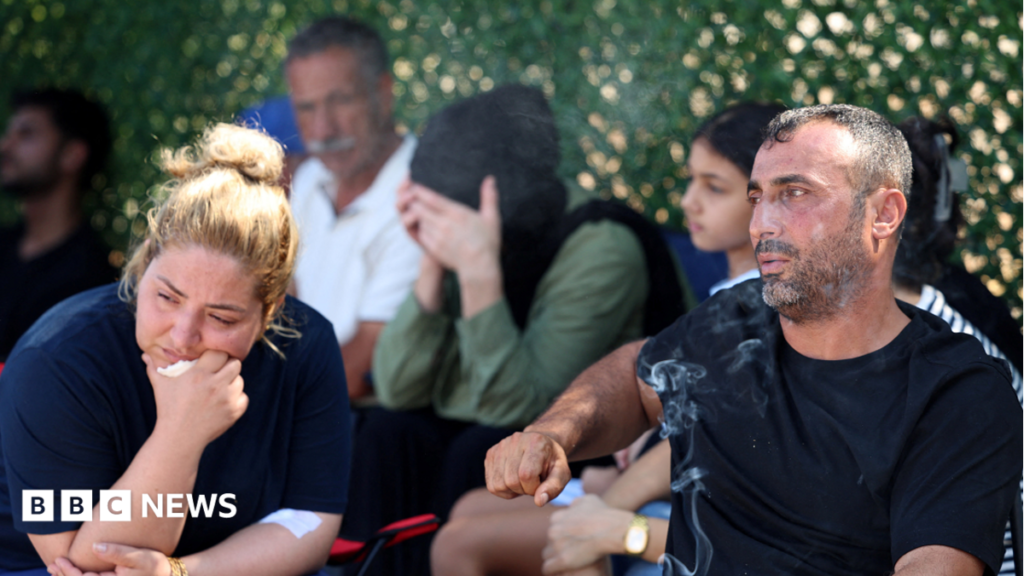
According to statements from the Turkish Republic of Northern Cyprus (TRNC) Coast Guard, the ferry capsized shortly after leaving the harbor of Kyrenia amid rough sea conditions. Eight passengers were confirmed dead on the scene, while twenty others, including the two children of Ayten and Hayri Bicer, were listed as missing and presumed drowned.
Rescue teams deployed two navy patrol boats, a helicopter, and dozens of volunteers from nearby villages. By the evening, the search had been called off after no further bodies were recovered, prompting authorities to declare the missing passengers dead in absentia. The Bicer family’s heartbreaking plea – “She slipped out of my hand” – captured worldwide attention and sparked a wave of condolence messages on social media.
Why maritime safety now matters more than ever
The incident reignites long‑standing concerns about the safety of short‑haul ferries in the Eastern Mediterranean. In the past five years, similar accidents have occurred off the coasts of Greece, Turkey and Italy, often linked to overcrowding, inadequate life‑vest provisions and delayed emergency response. Experts say the cumulative toll exceeds 200 lives since 2021, a figure that far outweighs the region’s modest tourism revenue gains.
Maritime safety advocates, including the International Maritime Organization (IMO), have urged the TRNC to adopt stricter vessel inspection regimes and to enforce passenger limits rigorously. They argue that without harmonised standards across the island, the risk of repeat tragedies will remain high, especially as climate change makes sea conditions more unpredictable during the summer months.
African diaspora and tourists: an often‑overlooked dimension
While most coverage has focused on the local Turkish‑Cypriot community, the disaster also affected African visitors and workers who frequently use the same ferry routes. In recent years, Cyprus has become a hub for African entrepreneurs, students and seasonal laborers, many of whom travel between the north and the south for work in hospitality, construction and the burgeoning tech sector.
The missing list included two Nigerian nationals who were on a short business trip to Karpas, according to a statement from the Nigerian Embassy in Nicosia. Their families, spread across Lagos and Abuja, have expressed frustration that the incident highlights a gap in consular support for African citizens traveling on regional vessels that lack proper safety certifications.
What comes next: investigations, compensation and policy reform
The TRNC government announced a formal inquiry headed by the Ministry of Transport, with a promised report within 90 days. Preliminary findings, shared with local media, suggest that the ferry was overloaded by at least 15 passengers and that life‑vests were not distributed before departure – violations that could lead to criminal charges against the operator.
Compensation claims are already being filed by victims’ families. Under Turkish maritime law, the ferry company could be liable for up to €10,000 per passenger for loss of life and €2,000 for each missing person. However, legal experts warn that collecting payouts may be complicated by the island’s disputed status, which often creates jurisdictional ambiguities for international claimants.
Civil society groups are seizing the moment to lobby for a bilateral safety accord between the north and the south, mirroring similar agreements in the Adriatic Sea that have reduced ferry accidents by 30 percent since 2018. If successful, such a pact could bring EU‑standard inspections to all vessels operating in Cypriot waters, benefitting both local commuters and the growing number of African travelers.
Broader pattern: A warning for other African coastal nations
The Cyprus ferry disaster is part of a wider pattern of maritime mishaps that disproportionately affect low‑income passengers worldwide. In West Africa, for example, the 2024 Lagos‑Ilorin ferry fire left 42 dead, prompting Nigeria to tighten its vessel registration process. Yet many African ports still lack real‑time monitoring systems, making it difficult to enforce safety rules on small, privately‑run ferries.
Observers argue that the Mediterranean’s safety crisis should serve as a wake‑up call for African governments to invest in modernizing their fleets, training crews, and establishing transparent oversight bodies. The shared challenge is clear: without coordinated regional policies, the human cost of avoidable maritime accidents will continue to rise, affecting families across continents.
Quick Answers
How many people died in the Northern Cyprus ferry accident?
Eight passengers were confirmed dead, and twenty others, including children, were declared missing.
What caused the ferry to capsize?
Preliminary reports point to overcrowding and rough sea conditions as the main factors behind the capsizing.
Will African citizens receive compensation for the loss?
Compensation is governed by Turkish maritime law, but legal complexities due to Cyprus’s disputed status may affect claim processing.
Source: www.bbc.co.uk




💬 Comments 0