Norway and Finland leaders call Putin for first time in over a year, discussing Arctic security and sanctions – Oct 27 2026
Background: A year of diplomatic silence
Since Russia’s invasion of Ukraine in February 2022, most European capitals have kept direct phone lines with President Vladimir Putin under lock and key. The last high‑level call between a Western leader and the Russian president took place in March 2022, after which the EU and NATO imposed sweeping sanctions that effectively froze official communication channels.
Norway and Finland, both NATO members since 2023, have been particularly vocal about the need for a unified Western front. Yet they also sit on the front line of the Arctic, where Russian military activity has intensified, prompting concerns that a lack of dialogue could lead to accidental escalation in a region that is increasingly strategic for energy and shipping.
The two countries have historically maintained a pragmatic, if cautious, relationship with Moscow, balancing security concerns with economic ties such as fisheries, energy trade, and joint Arctic research projects. This nuanced history set the stage for a rare joint outreach to Moscow after more than a year of radio silence.
The call: Who spoke and what was on the agenda
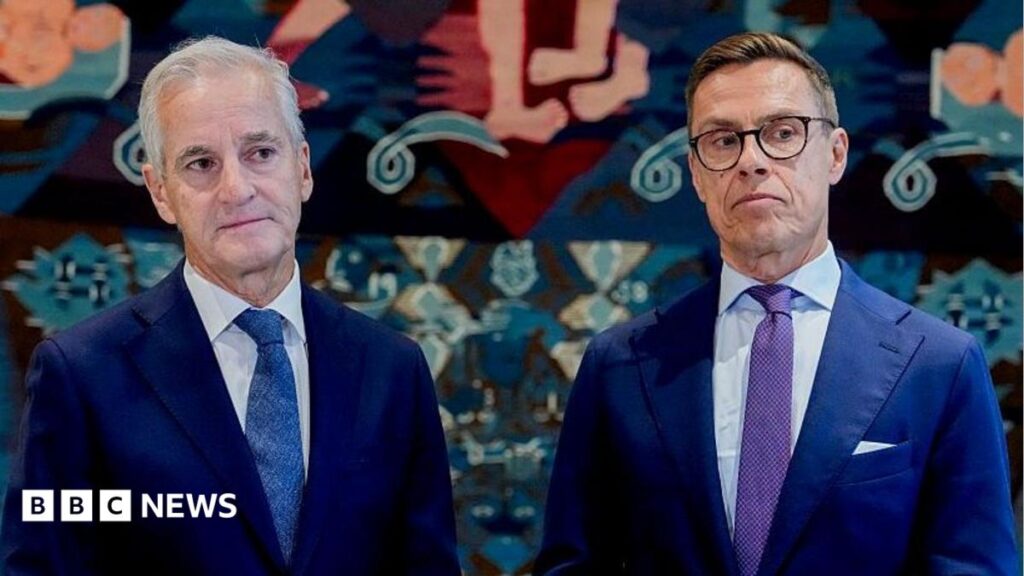
On the morning of 27 October 2026, Norway’s prime minister Jonas Gahr Støre and Finland’s prime minister Petteri Orpo dialed directly into the Kremlin to speak with President Putin. According to a joint statement released by the two governments, the conversation lasted roughly 45 minutes and covered three core topics: Arctic security, the flow of Ukrainian grain through the Black Sea, and the impact of Western sanctions on global energy markets.
Both leaders said they sought to “reduce the risk of misunderstanding” in the High North, where Russian naval exercises have been increasing near the Norwegian and Finnish coasts. They also raised the humanitarian issue of grain shipments, urging Moscow to honor the Black Sea grain deal that has been repeatedly threatened by Russian military actions.
In addition, Støre and Orpo asked Putin to consider a limited easing of sanctions on certain Russian energy projects that supply electricity to remote Arctic communities, arguing that a blanket embargo could push those settlements into energy insecurity and force them to turn to more polluting alternatives.
Why the conversation matters for European security
The call marks the first coordinated diplomatic outreach to Russia from two NATO members since the war began, signalling a tentative shift from pure containment to a more calibrated engagement. Analysts at the European Council on Foreign Relations note that such dialogue could help prevent accidental clashes in the Arctic, where Russian icebreakers and NATO surveillance aircraft now operate in close proximity.
Moreover, the discussion on grain shipments touches on a broader European concern: food security. The European Commission has warned that prolonged disruption of Ukrainian exports could push wheat prices up by 15 % across the continent, affecting vulnerable populations in both the EU and Africa. A constructive Russian response could therefore have a stabilising effect on global food markets.
Finally, the request for a limited sanctions relief on Arctic energy projects highlights a pragmatic recognition that security and sustainability are intertwined. If Moscow agrees to keep certain power plants running, it could reduce the incentive for the Kremlin to use energy as a geopolitical lever, a pattern observed in previous years when Russia throttled gas supplies to Europe during diplomatic disputes.
African implications: food, fertilizer and the Arctic trade route
Africa is a major consumer of Ukrainian wheat and Russian fertilizer, two commodities that have become flashpoints in the war. According to the International Food Policy Research Institute, about 30 % of wheat consumed in North Africa comes from Ukraine, while Russian nitrogen‑phosphate‑potash (NPK) fertilizers account for roughly 40 % of imports across sub‑Saharan markets. Any de‑escalation that restores reliable grain flows will therefore directly lower food prices in Egypt, Nigeria, Kenya and other import‑dependent economies.
The call’s focus on Arctic energy also has indirect relevance for African markets. Norway is a leading exporter of liquefied natural gas (LNG) to South Africa, while Finnish companies are involved in building renewable‑energy infrastructure in Kenya and Ethiopia. A stable Arctic environment reduces the risk of shipping disruptions that could raise global LNG prices, a cost that African utilities are already struggling to absorb amid rising electricity demand.
Furthermore, the prospect of a more predictable Russian stance on sanctions could open space for African nations to negotiate alternative fertilizer supply agreements. Several African agribusiness groups have warned that continued sanctions on Russian producers could force a shift to more expensive, lower‑quality alternatives, jeopardising harvest yields for millions of small‑holder farmers.
Reactions and what may come next
The European Union welcomed the call as a “constructive step” but cautioned that any easing of sanctions must be linked to concrete Russian actions, such as guaranteeing grain shipments and limiting Arctic military drills. The United States, while supportive of diplomatic engagement, reiterated that the core sanctions framework will remain unchanged until Moscow fully withdraws from Ukrainian territory.
In Moscow, Kremlin spokesperson Dmitry Peskov described the conversation as “a sign of responsible leadership from our northern neighbours” and said Russia is reviewing the request for limited energy‑sector exemptions. However, Peskov also warned that any perceived pressure could lead to “reciprocal measures” in the Arctic, underscoring the delicate balance at play.
Looking ahead, security experts predict that the next NATO summit in early 2027 will likely feature a dedicated session on Arctic cooperation, possibly paving the way for a multilateral framework that includes Russia, Norway, Finland and the Baltic states. For African stakeholders, the key takeaway will be to monitor how these high‑level talks translate into concrete actions on grain flows and fertilizer availability, as those will have the most immediate impact on food security across the continent.
Quick Answers
Why did Norway and Finland decide to call Putin now?
Both countries wanted to lower the risk of accidental conflict in the Arctic, ensure Ukrainian grain can keep moving, and discuss limited sanctions relief for energy projects that affect remote communities.
How could this call affect food prices in Africa?
If the conversation leads to restored Ukrainian grain exports and steadier Russian fertilizer supplies, it could prevent wheat price spikes and keep fertilizer costs from rising sharply in African markets.
Will the call change NATO’s stance on Russia?
The call is unlikely to alter NATO’s overall policy, but it may prompt a more coordinated diplomatic track on Arctic security and could shape discussions at the next NATO summit.
Source: www.bbc.co.uk



💬 Comments 0