Norway’s King Harald V Hospitalised with Rare Blood Condition: What It Means for the Kingdom
Background
Norway’s constitutional monarchy, founded in 1814, has been guided by King Harald V since 1991. With the coronation of his father in 1991, Harald has become one of Europe’s longest‑serving monarchs, celebrated for his longevity and diplomatic outreach.
The Norwegian king’s role is largely ceremonial; he chairs the National Assembly, signs legislation, and represents the country on state visits. Despite this symbolic status, his presence is a cultural touchstone for Norwegians, reinforcing a sense of continuity and national identity.
While Harald has previously been praised for his calm demeanor, his health has seldom been publicly disclosed. In recent years, the royal household has maintained a policy of limited medical transparency, a practice common among European monarchies that prefer to keep personal health matters private.
What Happened
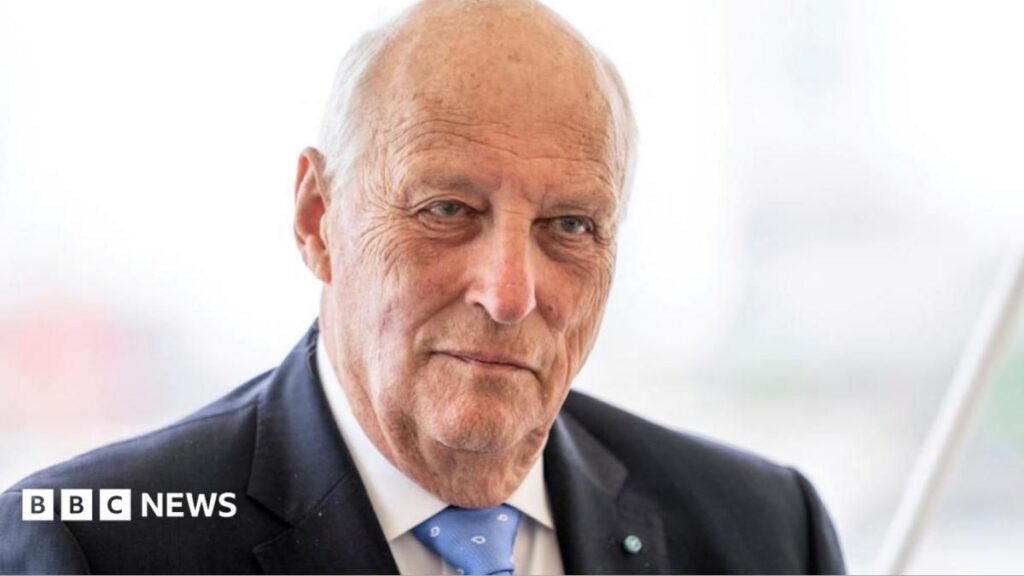
On Tuesday, King Harald was admitted to a hospital in Oslo after a diagnosis of a rare blood disorder. The royal press office confirmed the admission and announced that the king would be placed on sick leave pending treatment.
The exact nature of the blood condition has not been fully specified by the royal household; preliminary reports suggest it is a rare hematological disease that could affect platelet production or red blood cell function. Sources close to the royal family say that the condition is being treated with a combination of medication and specialist care.
With the king’s temporary absence, the Norwegian government has appointed the Crown Prince, Haakon, as the acting head of state. This arrangement follows constitutional provisions that allow the heir apparent to perform the king’s duties when the monarch is unable to do so.
Why It Matters
The king’s illness brings to the fore the issue of succession in a constitutional monarchy where the monarch’s health can influence national stability. Although the Norwegian constitution provides clear guidelines for the Crown Prince’s temporary duties, the public’s perception of the monarchy’s resilience is now under scrutiny.
For many Norwegians, the king is a symbol of unity, especially during times of social change and economic uncertainty. His sudden hospitalization may evoke concerns about the future of the monarchy and the continuity of its ceremonial functions.
The case also reflects a broader pattern among aging leaders worldwide, where health disclosures are becoming more transparent. In an age where citizens expect openness from public figures, Norway’s approach may set a precedent for how other constitutional monarchies handle the health of their sovereigns.
Reactions
The Norwegian government released a statement expressing concern for the king’s well‑being and reaffirming the Crown Prince’s readiness to step in. Prime Minister Jonas Gahr Støre praised the royal household’s swift communication and emphasized the importance of national solidarity.
Social media reactions were mixed; while many supporters shared messages of hope and solidarity, some commentators raised questions about the balance between privacy and public interest in a constitutional monarchy. The discussion sparked a broader debate about the role of the media in covering royal health matters.
Internationally, heads of state and other monarchs offered their well‑wishes. The British Royal Family, for instance, sent a note from King Charles III expressing support, while the Swedish Crown Princess extended her condolences to the Norwegian royal family.
What’s Next
Medical teams are reportedly working on a treatment plan that could involve targeted therapy or blood transfusions, depending on the severity of the condition. The royal household has not yet specified a timeline for the king’s recovery, but it has assured the public that all necessary care is being provided.
Constitutionally, the Norwegian system ensures a smooth transition: if the king’s condition were to become chronic, the Crown Prince would continue to perform all duties until a formal succession occurs. This process is governed by the 1814 constitution and the 1991 constitutional amendments that clarify the line of succession.
Beyond the immediate health crisis, the situation may prompt a reassessment of how the monarchy manages health disclosures and succession planning. It could lead to more structured protocols for medical transparency, thereby strengthening public trust in the institution while preserving its ceremonial dignity.
Quick Answers
Who will perform the king’s duties while he is on sick leave?
The Crown Prince, Haakon, has been appointed as the acting head of state and will perform all royal duties during King Harald V’s recovery.
What kind of blood condition does King Harald have?
The exact diagnosis has not been fully disclosed; it is reported as a rare hematological disorder that affects blood cell production.
Will the king’s illness affect Norway’s government?
No immediate impact on government operations is expected, as the Crown Prince will act in the king’s stead and the constitutional framework provides for such contingencies.
Source: www.bbc.co.uk




💬 Comments 0