Ohio church leads fight against ‘tranq’ opioid crisis in 2026 – impact on US and African diaspora
Background: the rise of 'tranq' and synthetic opioids
In the early 2020s, a new synthetic opioid known colloquially as “tranq” – short for tranquilizer – began to surface in U.S. drug markets. Chemically, it is a potent benzodiazepine-fentanyl hybrid that delivers a rapid, intense high while also inducing deep sedation. By 2026, the Drug Enforcement Administration (DEA) reported a 73% increase in seizures of tranq compared with the previous year, signalling that traffickers are diversifying beyond pure fentanyl to evade law‑enforcement detection methods.
The surge of tranq coincides with a broader shift in the opioid landscape. Fentanyl, already 50‑100 times stronger than heroin, has been supplemented by designer drugs that blend stimulants, depressants, and hallucinogens. This cocktail approach makes overdoses harder to reverse with standard naloxone kits, prompting public‑health officials to warn of a “new wave of lethal mixtures.”
The church on the front line: what’s happening at Hope Community Church
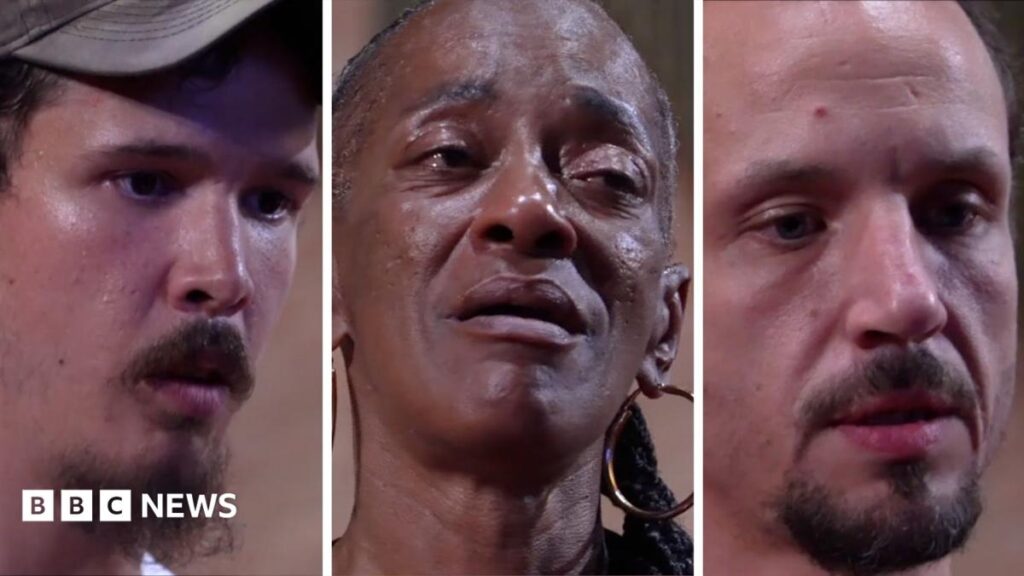
Hope Community Church in Dayton, Ohio, a historically Black congregation founded in 1972, has become an unexpected hub for anti‑tranq activism. Pastor Michael Johnson, who has served the church for 15 years, converted part of the sanctuary into a harm‑reduction center in early 2025 after witnessing a spike in overdoses among his parishioners. The space now offers free naloxone, on‑site testing of street drugs, and weekly counseling sessions led by certified addiction specialists.
According to a 2026 interview with The Dayton Daily News, the church’s outreach team has distributed over 4,500 naloxone kits and conducted more than 1,200 drug‑testing events in the past year. The effort is funded by a mix of local grants, private donations, and a modest federal allocation from the Substance Abuse and Mental Health Services Administration (SAMHSA). Pastor Johnson says the initiative is as much about restoring dignity as it is about saving lives.
Why this matters beyond the sanctuary walls
The involvement of a faith‑based organization in harm reduction challenges long‑standing stigmas around drug use. Historically, churches have been seen as moral arbiters rather than service providers in the opioid crisis. By openly distributing naloxone and offering drug‑checking services, Hope Community Church is redefining the role of religious institutions in public‑health emergencies, a model that could be replicated in other high‑need neighborhoods across the United States.
Beyond the moral dimension, the church’s data collection offers valuable epidemiological insight. Researchers from Ohio State University have partnered with the church to track overdose patterns, and preliminary findings suggest that tranq‑related incidents are disproportionately affecting Black and Latino communities. This aligns with a national trend where synthetic opioids are increasingly infiltrating minority neighborhoods, a fact that has been under‑reported in mainstream media.
Connecting the dots: African diaspora, West African trafficking routes, and the global drug market
While the tranq crisis is largely an American phenomenon, its roots trace back to trans‑Atlantic trafficking networks that have long used West Africa as a trans‑shipment hub. According to a 2025 United Nations Office on Drugs and Crime (UNODC) report, Ghana and Nigeria have seen a 42% rise in synthetic opioid precursors entering via maritime routes. These chemicals are often repackaged in West African ports before being smuggled to North America, where they re‑emerge as street‑level products like tranq.
For the African diaspora in the U.S., especially in cities with large Ghanaian and Nigerian populations such as New York, Atlanta, and Houston, the spill‑over effects are tangible. Community leaders report an uptick in calls to local hotlines about “unknown pills” that turn out to be tranq. Moreover, the diaspora’s cultural organizations are beginning to echo the outreach model pioneered by Hope Community Church, launching education campaigns in both English and African languages to alert recent immigrants about the dangers of these novel synthetics.
What’s next: policy, funding, and scaling the church model
The success of Hope Community Church has caught the attention of policymakers. In March 2026, Ohio’s Governor signed a bipartisan bill that allocates $12 million to “Faith‑Based Harm Reduction Initiatives,” earmarking funds for churches, mosques, and community centers willing to provide naloxone and drug‑testing services. Critics argue the measure blurs the line between separation of church and state, but supporters contend that the urgent public‑health crisis demands all capable hands.
Looking ahead, experts say the key to curbing tranq’s spread lies in a three‑pronged approach: stricter control of precursor chemicals in West Africa, expanded community‑level harm‑reduction programs, and culturally attuned education for diaspora groups. If the Ohio model can be adapted to other states and even to African nations grappling with rising synthetic drug use, the tide may finally turn against a substance that has so far eluded conventional law‑enforcement tactics.
Quick Answers
What is the synthetic opioid known as ‘tranq’?
Tranq is a potent benzodiazepine‑fentanyl hybrid that delivers a rapid high and deep sedation, making overdoses harder to reverse with standard naloxone.
How is Hope Community Church fighting the tranq crisis?
The church runs a harm‑reduction center that distributes free naloxone, offers on‑site drug testing, and provides counseling and education to users.
Why does the tranq problem matter to the African diaspora?
West African trafficking routes supply precursors for synthetic opioids, and diaspora communities are seeing more tranq‑related overdoses, prompting targeted outreach in African languages.
Source: www.bbc.co.uk




💬 Comments 0