Oil prices surge to six‑week high as US‑Iran strikes tighten Strait of Hormuz, Africa feels the shock in 2026
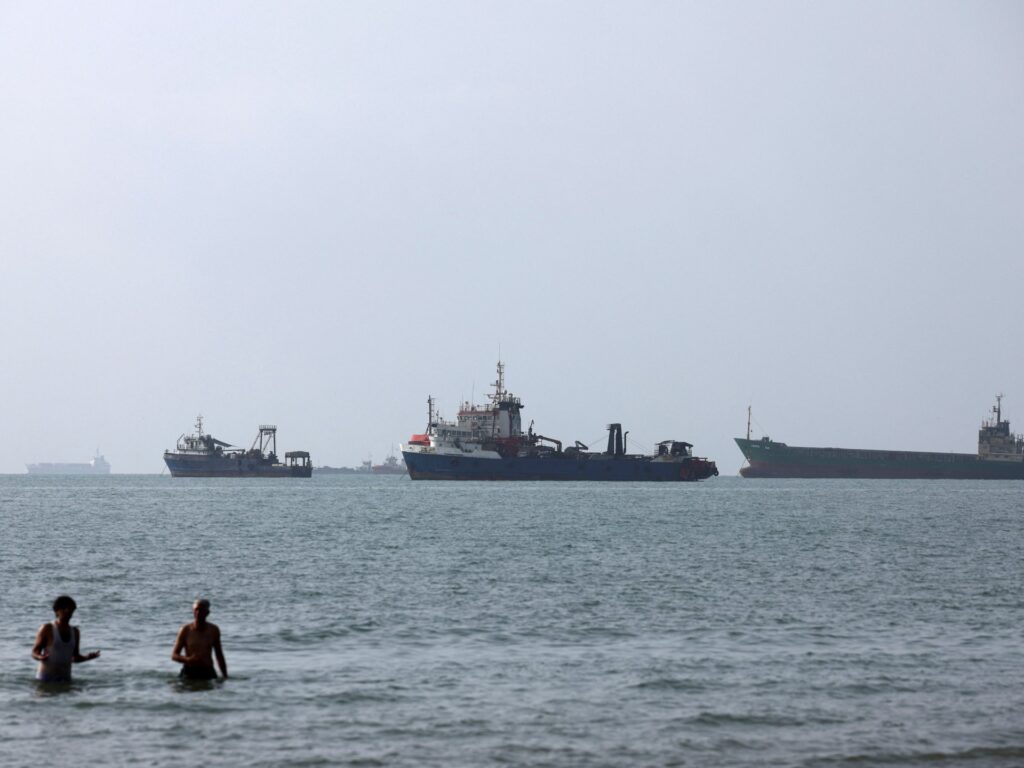
Background: The Strait of Hormuz as a pressure point
The narrow waterway between Oman and Iran, known as the Strait of Hormuz, carries roughly a fifth of the world’s daily oil flow. Any disruption there instantly ripples through the global market because traders treat the passage as a barometer of geopolitical risk.
Since early 2026, a series of retaliatory strikes between U.S. forces and Iranian-backed militias have escalated. Both sides have exchanged missile and drone attacks aimed at naval vessels and offshore platforms, prompting shipping companies to reroute vessels farther around the Arabian Sea. The added distance and insurance premiums have already nudged crude prices upward before the latest spike.
What triggered the latest price jump
On September 5, a U.S. carrier strike on a suspected Iranian fast‑attack craft was followed by a retaliatory missile barrage that briefly forced several tankers to halt in the strait. Satellite imagery released by an independent monitoring group showed smoke plumes near the Al‑Muthanna oil terminal, confirming that production was temporarily curtailed.
The disruption pushed Brent crude to $94 per barrel, its highest level in six weeks, and pushed West Texas Intermediate past $90. Traders cited “real‑time supply uncertainty” as the main driver, while analysts warned that any prolonged shutdown could push the market toward $100 a barrel within weeks.
Why African economies are on edge
Many African nations sit at opposite ends of the oil spectrum. Nigeria, Angola and Algeria depend on export revenues, while Ghana, Kenya and South Africa import large volumes to meet domestic demand. A sudden price hike squeezes both sides of the ledger.
For oil‑exporting Nigeria, higher crude prices could boost the 2026 budget, which is already projected to be $13 billion short of the fiscal target set by President Bola Tinubu’s administration. However, the benefit is muted by the country’s own production bottlenecks; recent pipeline attacks in the Niger Delta have cut output by an estimated 150,000 barrels per day, limiting the ability to cash in on the price surge.
Conversely, Ghana’s central bank has warned that the spike may add another 0.8 percentage points to inflation, already hovering near 12 %. The government’s fuel subsidy program, which covers roughly 30 % of gasoline consumption, could become untenable if the subsidy is not adjusted, raising concerns about public unrest.
Broader trends: Geopolitics, energy transition and African investment
The Hormuz flare‑up is part of a larger pattern where regional flashpoints are increasingly used as leverage in global energy politics. Similar tactics were observed in 2022 during the Russia‑Ukraine war, when both sides threatened oil flow disruptions to extract concessions.
For African investors, the volatility underscores the urgency of diversifying away from oil‑centric portfolios. According to a 2026 report by the African Development Bank, renewable energy projects in East Africa attracted $4.2 billion in private capital last year, a figure that could rise if oil price instability persists.
The diaspora also feels the impact. Remittances from African workers in the Gulf, many of whom are employed in oil‑related sectors, are expected to dip as companies cut back on hiring and delay expansion projects. The World Bank estimates that a $5 billion rise in global oil prices could shave $1.2 billion off total African remittance flows in 2026.
What comes next: Policy responses and market outlook
African finance ministries are already adjusting their short‑term plans. Nigeria’s Ministry of Finance announced on September 7 that it will accelerate the rollout of a new oil‑production sharing agreement aimed at attracting foreign investment to modernise aging fields. The hope is to capture more of the upside from higher prices while mitigating supply risks.
In Ghana, the government is consulting with the International Monetary Fund on a temporary easing of the fuel subsidy, paired with a targeted cash transfer to low‑income households. Officials argue that a measured approach can protect the most vulnerable without sparking a fiscal crisis.
On the market side, analysts at Bloomberg Energy predict that unless diplomatic channels de‑escalate the U.S.–Iran confrontation, the price rally could extend into the fourth quarter. They point to the growing use of “price‑risk hedging” by African airlines and shipping firms, which may cushion the impact but also lock in higher costs for years to come.
Quick Answers
How will the Strait of Hormuz tension affect oil‑importing African countries?
Higher global crude prices raise fuel costs, push inflation upward and strain subsidy budgets in oil‑importing nations such as Ghana, Kenya and South Africa.
Can Nigeria benefit from the recent oil price surge?
Higher prices can boost export revenues, but Nigeria’s own production setbacks and fiscal shortfalls limit the immediate fiscal gain.
What steps are African governments taking in response to the price spike?
Nigeria is fast‑tracking new production agreements, while Ghana is negotiating a temporary subsidy reform and targeted cash transfers to protect low‑income households.
Source: www.aljazeera.com



💬 Comments 0