Oleshky ceasefire 2026: Melania Trump truce to bring aid after residents ate weeds
Background: Oleshky’s humanitarian crisis
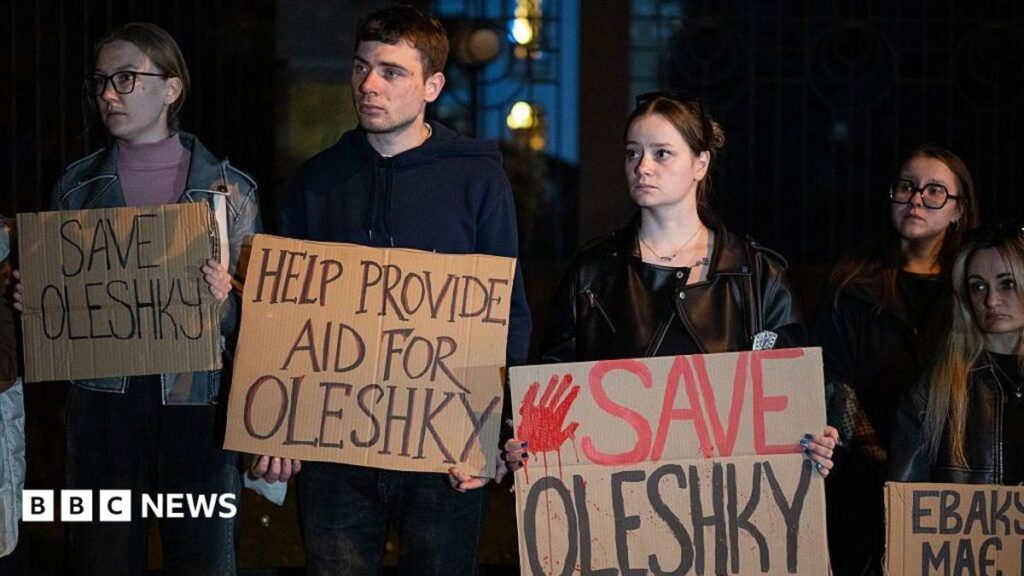
The small Ukrainian town of Oleshky, perched on the banks of the Dnipro River, became a stark symbol of civilian endurance after months of relentless shelling. With power lines cut and water supplies sabotaged, residents resorted to foraging wild greens and weeds from the riverbanks to stave off starvation, a scene that echoed the darkest chapters of wartime famine.
International NGOs reported that by early October 2026, more than 40 percent of Oleshky’s 30,000 inhabitants were living on less than 1.90 USD a day, a threshold used by the UN to define extreme poverty. The lack of safe corridors for humanitarian convoys meant that even basic medical kits and food parcels were unable to reach the town, forcing families to improvise with whatever nature offered.
The ceasefire deal and Melania Trump's role
On October 24, the White House announced that a temporary cease‑fire had been negotiated for Oleshky, describing it as a “humanitarian window” to allow aid trucks in and civilians out. The statement credited First Lady Melania Trump with personally brokering the agreement, a claim echoed by several U.S. officials who said she had been in direct contact with both Ukrainian and Russian liaison teams.
According to a senior State Department source, the truce is limited to a 48‑hour pause in artillery fire around the town’s perimeter, with the possibility of extension if aid deliveries prove successful. Russian forces have reportedly agreed to the pause in exchange for a limited withdrawal of Ukrainian reconnaissance drones that had been targeting supply routes.
Why the truce matters beyond Ukraine
The Oleshky ceasefire is more than a local pause; it tests the viability of ad‑hoc humanitarian corridors in high‑intensity conflicts. If aid can reach a town that has been cut off for weeks, it could set a precedent for similar arrangements in other besieged zones, from Gaza to the eastern Democratic Republic of Congo.
Economically, the influx of food and medical supplies can prevent a secondary crisis of disease and malnutrition that often follows prolonged sieges. Health experts warn that a spike in water‑borne illnesses could have overwhelmed regional hospitals, creating a spill‑over effect into neighboring oblasts and straining Ukraine’s already fragile health system.
Parallel lessons for African conflict zones
African nations that have endured protracted urban sieges—such as Sudan’s Darfur region in 2023 and the Tigray conflict in Ethiopia—face similar dilemmas when aid routes are blocked. The Oleshky model, where a high‑profile diplomatic figure helps secure a short‑term truce, offers a template for leveraging soft power to open humanitarian windows.
Moreover, the reliance on wild foraging in Oleshky mirrors the coping strategies of displaced populations across the Sahel, where climate‑induced crop failures have forced families to turn to wild greens and bushmeat. International donors can draw on these parallels to design nutrition‑specific aid packages that respect local foraging practices while preventing malnutrition.
What comes next for aid and reconstruction
Humanitarian agencies are mobilising fleets of trucks from the UN World Food Programme and the International Committee of the Red Cross, aiming to deliver 150 metric tonnes of food, clean water, and trauma kits within the cease‑fire window. Logistics experts say that the narrow time frame demands precise coordination, as any breach could trigger a rapid escalation.
Long‑term, the ceasefire could pave the way for a more durable de‑escalation framework in southern Ukraine. Analysts suggest that if the Oleshky truce proves effective, it may encourage both sides to negotiate additional humanitarian pauses along the front lines, potentially easing the pressure on other towns that have been cut off for months.
Quick Answers
Who negotiated the Oleshky ceasefire in 2026?
The White House said First Lady Melania Trump personally brokered the temporary cease‑fire for Oleshky.
What is the purpose of the Oleshky truce?
It aims to create a short humanitarian window for aid trucks to enter the town and for civilians to evacuate safely.
How could the Oleshky ceasefire affect other conflict zones?
If successful, it could serve as a model for opening ad‑hoc aid corridors in other besieged areas, including parts of Africa.
Source: www.bbc.co.uk




💬 Comments 0