Ollanta Humala Peru Corruption Charge Overturned 2026
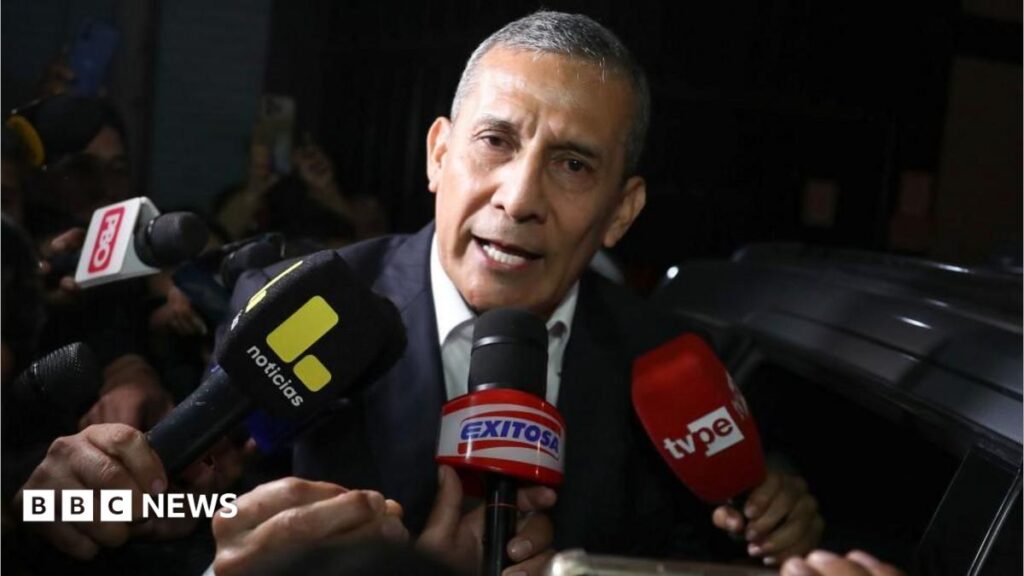
Background on Ollanta Humala's Case
Ollanta Humala, the former president of Peru, had been embroiled in a high-profile corruption case that had significant implications for the country's political landscape. His conviction in 2025 on money laundering charges, alongside his wife, marked a dramatic turn in his career.
Peru has been grappling with widespread corruption, and Humala's case was seen as a test of the country's ability to hold its leaders accountable. The conviction was hailed as a victory for anti-corruption efforts, but the overturning of the sentence raises questions about the effectiveness of these efforts.
The case against Humala and his wife centered on allegations of money laundering, with prosecutors arguing that they had used their positions to amass wealth illegally. The conviction was based on evidence presented during the trial, which highlighted the complexities of corruption in Peru's political system.
What Happened
In a surprising turn of events, Ollanta Humala's 15-year jail sentence for corruption charges was overturned. This decision has significant implications for Humala, his family, and the broader political landscape in Peru.
The overturning of the sentence is likely to be met with both relief and criticism, as different factions in Peru have varying opinions on Humala's guilt and the fairness of the original conviction. The decision may also raise questions about the independence and effectiveness of Peru's judicial system.
The specifics of the appeal that led to the overturning of the sentence are crucial in understanding the legal basis for this decision. It is essential to examine the grounds on which the appeal was successful and how this might set a precedent for future corruption cases in Peru.
Why It Matters
The overturning of Ollanta Humala's sentence matters for several reasons, primarily because it reflects on the country's commitment to fighting corruption. Peru has been working to strengthen its institutions and ensure that no one is above the law, and this case is a critical test of that commitment.
The implications of this decision extend beyond Humala's case, as it may influence how future corruption cases are handled. It could either bolster confidence in the judicial system's ability to address corruption or undermine it, depending on how the decision is perceived by the public and international observers.
For the people of Peru, this case is about more than just one individual; it's about the hope for a fair and just society where corruption is not tolerated. The outcome of this case will be closely watched, as it has the potential to impact the country's political stability and social cohesion.
Reactions and Next Steps
The reaction to the overturning of Humala's sentence will be varied, with some hailing it as a victory for justice and others criticizing it as a setback for anti-corruption efforts. The international community will also be watching, as Peru's handling of corruption cases can impact its global reputation and relationships with other countries.
Moving forward, it will be essential to monitor how the Peruvian government and judicial system respond to this decision. This includes any potential reforms or actions taken to address corruption and ensure that the legal system is fair, effective, and independent.
The public's perception of the decision will play a significant role in shaping the political and social discourse in Peru. Protests, public statements from key figures, and media coverage will all contribute to the narrative surrounding this event.
Conclusion and Future Implications
In conclusion, the overturning of Ollanta Humala's sentence is a complex issue with far-reaching implications for Peru and its people. It underscores the challenges faced by countries in their efforts to combat corruption and ensure justice.
The future implications of this decision will depend on how it is received and acted upon by the government, the judiciary, and the public. It presents an opportunity for Peru to reaffirm its commitment to transparency, accountability, and the rule of law.
This case serves as a reminder that the fight against corruption is ongoing and requires continuous effort and vigilance. For Peru, and indeed for many countries around the world, addressing corruption is essential for building trust in institutions and promoting sustainable development.
Quick Answers
What was Ollanta Humala convicted of in 2025?
Ollanta Humala was convicted of money laundering offences alongside his wife in 2025.
What happened to Ollanta Humala's jail sentence?
Ollanta Humala's 15-year jail sentence for corruption charges was overturned.
Why is this case significant for Peru?
This case is significant for Peru because it reflects on the country's commitment to fighting corruption and has implications for the country's political landscape and judicial system.
Source: www.bbc.co.uk




💬 Comments 0