Oviedo fan gets suspended 11‑month prison sentence for racist abuse of Kylian Mbappé in August 2024 LaLiga match
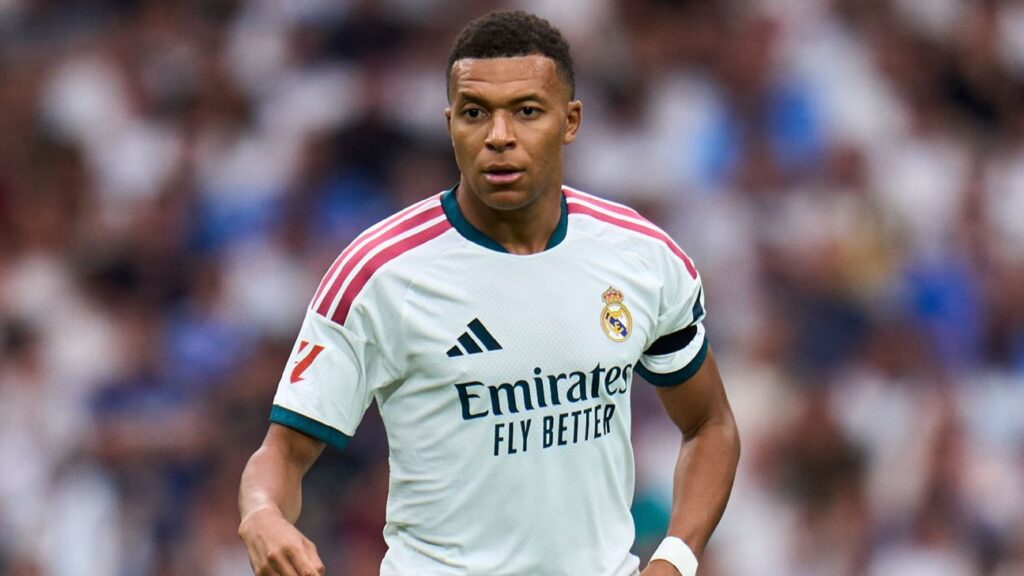
Racism and football: a persistent problem with African roots
Racist chants and slurs have long haunted European stadiums, often targeting players of African descent. While the continent has introduced campaigns like UEFA’s "No to Racism" and domestic leagues have tightened penalties, incidents still surface, revealing a gap between policy and practice. The problem resonates deeply for African fans and diaspora communities who see their heroes repeatedly subjected to abuse that mirrors broader social discrimination.
Kylian Mbappé, the French star who burst onto the global stage with a Cameroonian father and Algerian mother, embodies both the triumph and vulnerability of African‑heritage players in Europe. His success has made him a lightning rod for both admiration and, unfortunately, vitriol. Each time a player of his background is attacked, the incident reverberates far beyond the pitch, sparking conversations across African media about representation, respect, and the safety of Black athletes.
The Oviedo incident and the court’s decision
During the LaLiga encounter between Real Oviedo and Real Madrid on 12 August 2024, a fan in the north‑west Spanish stadium shouted a series of racist insults aimed at Mbappé as the French forward prepared to receive the ball. Security footage captured the moment, and the individual was identified through facial recognition software used by the club’s security team.
A Spanish court handed the fan an 11‑month suspended prison sentence, a €1,200 fine, and a ban from entering any professional football venue for two years. The ruling, delivered on 15 November 2026, marks one of the harsher penalties imposed for stadium racism in recent years and signals a willingness by the judiciary to treat such conduct as a criminal offence rather than a mere disciplinary breach.
Why the verdict matters for African fans and the diaspora
For Africans living in Europe and the wider diaspora, the sentence sends a clear message: racist abuse will no longer be dismissed as “just fan passion.” It validates the lived experiences of Black supporters who have often felt powerless to challenge harassment in crowded terraces. The legal precedent also offers a tangible deterrent, encouraging clubs to invest more heavily in monitoring technologies and rapid response teams.
Moreover, the case reverberates back to the African continent, where football is a cultural cornerstone. African media outlets highlighted the ruling as a victory for dignity, framing it as a step toward protecting African talent on the world stage. The story has sparked debates on social media in Nigeria, Ghana, and Cameroon about whether similar legal tools could be adopted in their own leagues to curb abuse.
A broader pattern: Europe’s tightening grip on racist behaviour
Spain is not acting in isolation. Over the past three years, the UK, Italy, and France have all introduced stricter criminal sanctions for stadium racism, ranging from immediate bans to custodial sentences. In 2023, a Liverpool fan received a six‑month suspended sentence for shouting “monkey” at a Black player, while in Italy a Juventus supporter was handed a 12‑month prison term for similar conduct in 2025. These cases illustrate a continental shift toward treating hate speech in sport as a public order offence.
The Oviedo ruling aligns with LaLiga’s own recent policy overhaul, which now requires clubs to report any racist incident to civil authorities within 48 hours. The league’s partnership with the Spanish Ministry of the Interior to share surveillance data has already resulted in over 30 prosecutions since 2022, according to a LaLiga press release. The cumulative effect is a growing body of jurisprudence that could eventually standardise punishments across Europe.
What’s next: implications for clubs, players, and African football
Real Oviedo’s management has pledged to expand its anti‑racism education programme, collaborating with NGOs that work with African youth in Spain. The club plans to host workshops that feature former African internationals, aiming to turn the punitive episode into a learning opportunity for fans. If successful, such grassroots initiatives could become a template for other clubs with sizable African‑origin supporter bases.
For Mbappé and his African‑heritage peers, the verdict may provide a modest sense of security, but the battle is far from over. Players continue to report subtle forms of discrimination, such as targeted social‑media trolling that falls outside stadium jurisdiction. African football federations are watching closely, considering whether to lobby FIFA for a unified global protocol that treats online abuse with the same severity as in‑stadium incidents.
Finally, the ruling could influence African markets indirectly. Sponsors wary of brand damage are likely to favour clubs that demonstrate zero tolerance for racism, potentially redirecting investment toward clubs with robust compliance frameworks. This could accelerate a shift in sponsorship dollars from traditional powerhouses to emerging teams that champion inclusive values, benefiting African‑owned agencies and media partners looking for fresh partnership opportunities.
Quick Answers
What punishment did the Oviedo fan receive for insulting Kylian Mbappé?
The fan was given an 11‑month suspended prison sentence, a €1,200 fine and a two‑year ban from all professional football venues.
Why is the sentencing of a racist fan significant for African diaspora communities?
It sets a legal precedent that treats racist stadium abuse as a criminal act, offering African fans and players stronger protection and signalling that hate speech will be punished.
How does this case fit into the wider trend of anti‑racism measures in European football?
European leagues have been tightening penalties, with recent court rulings in Spain, the UK, Italy and France imposing custodial sentences and mandatory reporting to authorities.
Source: www.espn.com




💬 Comments 0