Oxford Street goes vehicle‑free in 2026 trial: impact on retailers, commuters and African diaspora shoppers
Background: why the car ban was proposed
London’s flagship shopping boulevard has been clogged with traffic for decades, prompting the mayor’s office to look for ways to improve air quality and pedestrian safety. In early 2025 the Greater London Authority released a report linking high vehicle density on Oxford Street to a 15 percent rise in respiratory complaints among nearby residents, a figure that matched the city’s own health data.
The proposal to close the street to private cars and buses was part of a broader ‘Clean Air London’ initiative that also targets other high‑traffic corridors such as Regent Street and Piccadilly. The plan was backed by a coalition of environmental NGOs, local businesses that argued a pedestrian‑only zone would boost footfall, and a growing number of residents tired of constant congestion.
What the trial looks like on the ground
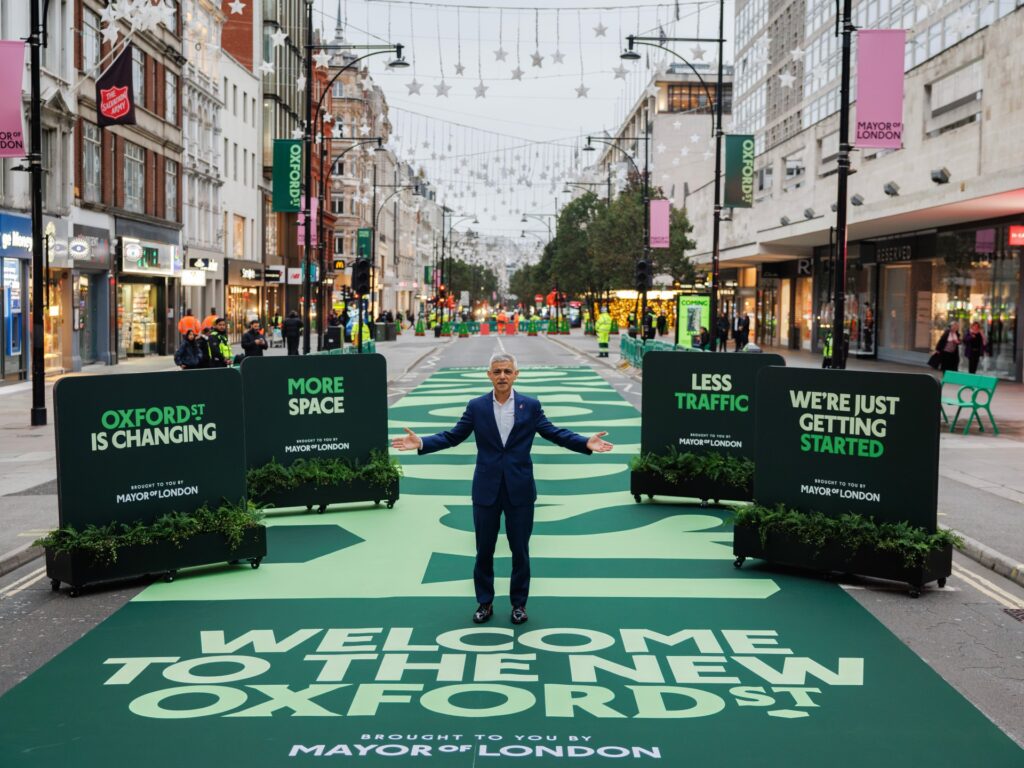
The trial, which began on 1 October 2026, bars all private vehicles, taxis, and buses from the 1.2‑kilometre stretch between Marble Arch and Tottenham Court Road. Delivery vans are allowed only during off‑peak windows between 10 p.m. and 4 a.m., and a fleet of electric cargo bikes has been recruited to handle last‑mile logistics for retailers.
Pedestrian zones have been marked with temporary bollards and a series of pop‑up street‑level seating areas. The city installed 12 air‑quality monitoring stations that feed real‑time data to a public dashboard, showing a 23 percent drop in nitrogen dioxide levels within the first week, according to the London Air Quality Network.
Why it matters for retailers and the African diaspora
Retailers on Oxford Street have long counted on the street’s reputation as a tourist magnet, and the vehicle‑free experiment is expected to reshape shopper behaviour. Early data from the Retail London Alliance shows a 7 percent increase in foot traffic compared with the same period last year, a trend that could translate into higher sales for flagship stores of global brands that stock African designers such as Laduma and Maki Moko.
For the African diaspora in the UK, Oxford Street is a cultural touch‑point where they can find both high‑street fashion and niche boutiques that showcase African fabrics, jewellery and art. Community leaders say the pedestrian‑only zone could make the street more welcoming for families and for pop‑up events featuring African music and dance, something that was difficult to organise when traffic noise dominated the soundscape.
Reactions: optimism, concern and logistical headaches
Many shop owners welcomed the change, with a spokesperson for the British Fashion Council noting that “a car‑free Oxford Street aligns with the industry’s move toward sustainable retail experiences”. The mayor’s office, citing the trial’s early air‑quality results, said the scheme could become permanent if public support remains above 60 percent, a threshold that was already met in a poll conducted by YouGov in September.
However, not everyone is convinced. Residents of the adjoining Marylebone and Fitzrovia districts warned that the removal of bus routes could push commuters onto already crowded underground lines, potentially worsening crowding during rush hour. A spokesperson for Transport for London said the authority is monitoring passenger loads and will adjust bus frequencies on nearby routes if needed.
What’s next: scaling the experiment and wider implications
The trial is set to run for six months, after which the city will publish a comprehensive impact report. If the findings confirm the early gains in air quality and footfall, the mayor has signalled a plan to extend the vehicle‑free zone to the adjoining Regent Street corridor, creating a larger pedestrian spine in the West End.
Beyond London, the experiment is being watched by other African‑linked cities such as Nairobi and Lagos, where urban planners grapple with similar tensions between traffic congestion and vibrant street‑level commerce. Experts suggest that a successful model in a global city could provide a blueprint for African metropolises seeking to balance economic activity with climate‑friendly policies.
Quick Answers
When did Oxford Street become vehicle‑free?
The car‑free trial started on 1 October 2026 and is scheduled to run for six months.
How does the ban affect African‑owned shops on Oxford Street?
The pedestrian zone is expected to increase foot traffic, giving African‑owned boutiques and pop‑up stalls greater visibility and sales opportunities.
Will the vehicle‑free scheme become permanent?
If post‑trial data shows sustained improvements in air quality and public support stays above 60 percent, the mayor has pledged to consider making the ban permanent.
Source: www.aljazeera.com




💬 Comments 0