Paris protests on Oct 17 2026: looted shops, school unrest spark nationwide violence
Background: France’s simmering unrest
Since early 2024, France has been wrestling with a series of strikes and street actions that began in the education sector and quickly spread to broader economic grievances. Teachers and parents have protested against what they describe as under‑funded schools, overcrowded classrooms and a curriculum that they say fails to address modern challenges. At the same time, the cost‑of‑living crisis—exacerbated by rising energy prices, stagnant wages and inflation—has pushed many households into precarious financial positions, prompting unions and civic groups to organize nationwide demonstrations.
The French government’s attempts to balance fiscal restraint with social spending have been perceived as half‑measures, especially in regions with high unemployment and large immigrant populations. Analysts at the Institut Montaigne note that the government’s reliance on short‑term subsidies, rather than structural reforms, has left many citizens feeling abandoned. This atmosphere of frustration set the stage for the violent flare‑up that erupted in Paris on Saturday, October 17.
What unfolded on Saturday in Paris
Early in the morning, crowds gathered near the Ministry of Education in the 7th arrondissement, chanting slogans about school funding and demanding higher teacher salaries. By mid‑day, the protest route intersected with a separate rally organized by the CGT union, which was calling for a freeze on fuel taxes and a universal basic income pilot. When police attempted to disperse a small group that had broken away and begun smashing shop windows on Rue Saint‑Honoré, the situation escalated into a full‑scale clash.
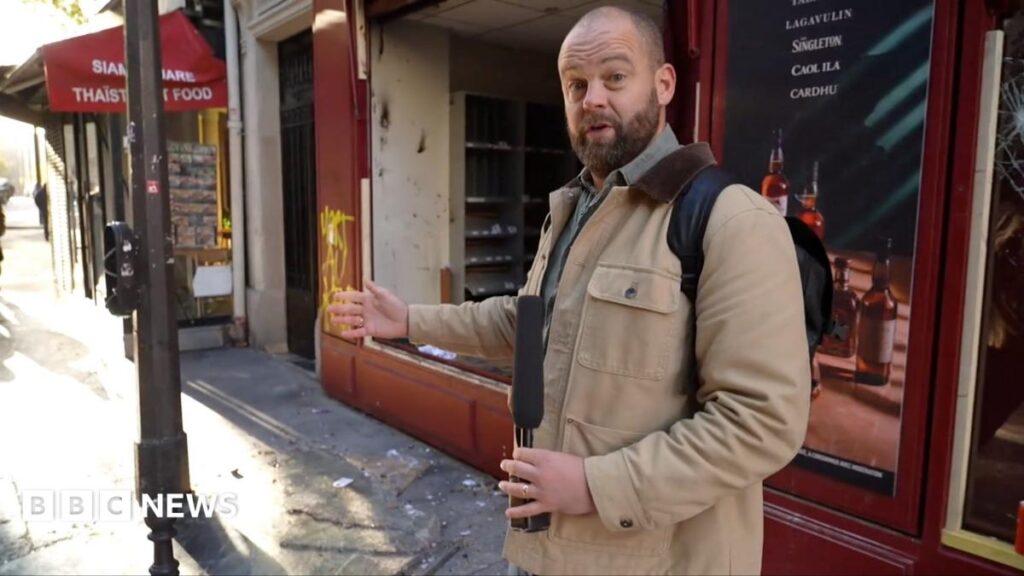
Over the next few hours, dozens of boutiques—many of them small, family‑run stores—were looted or set ablaze. Video footage shared on social media showed a mixture of opportunistic thieves and politically motivated agitators. According to Le Parisien, more than 30 storefronts suffered significant damage, and at least five people were arrested for violent conduct. The police response, which included the deployment of riot gear and water cannons, was criticized by human‑rights groups for being both delayed and excessively forceful.
Why the unrest matters beyond France
The Paris episode is not an isolated flashpoint; it reflects a broader European trend where economic anxiety and perceived neglect of public services are fueling street unrest. Similar protests have erupted in Spain, Italy and the United Kingdom over school funding cuts and energy price spikes. Economists warn that if governments continue to rely on ad‑hoc subsidies rather than comprehensive reforms, the risk of repeated disruptions to commerce and public order will rise, potentially deterring foreign investment and slowing post‑pandemic recovery.
For multinational corporations with supply chains that run through French ports and logistics hubs, the unrest poses immediate operational challenges. Shipping delays, heightened security costs and a dip in consumer confidence could translate into lower quarterly earnings for firms that rely on French market demand. Moreover, the visibility of looted high‑street shops sends a cautionary signal to investors about the stability of one of Europe’s largest economies.
Impact on African communities and the diaspora
Paris is home to one of the largest African diasporas in Europe, with significant numbers from Senegal, Mali, Ivory Coast and the Democratic Republic of Congo. Many of the looted businesses were run by African entrepreneurs who depend on foot traffic in central districts to survive. According to a statement from the Association of West African Merchants in France, at least eight of the damaged shops were owned by members of the community, threatening livelihoods that already operate on thin margins.
The protests also touch on education concerns that directly affect African families. Overcrowded classrooms and insufficient language‑support programs have long been cited by immigrant parents as barriers to their children’s academic success. When the government’s response appears inadequate, it fuels a sense of marginalisation that can deepen social divides. Diaspora NGOs warn that without targeted policy interventions—such as increased funding for bilingual teachers and affordable childcare—these communities risk being left further behind in the economic recovery.
What comes next: possible trajectories
In the short term, the French interior ministry has announced a review of police tactics and a temporary increase in security patrols around vulnerable commercial zones. Prime Minister Élisabeth Borne is expected to meet with union leaders later this week to discuss a revised education budget, though critics say the proposal lacks concrete funding mechanisms. If negotiations stall, analysts at Bloomberg anticipate a second wave of demonstrations in early November, potentially coinciding with the national budget vote.
Long‑term solutions will likely require a dual approach: fiscal policies that curb inflation while protecting low‑income households, and a strategic overhaul of the public education system. For African‑origin residents, community organisations are already mobilising to lobby for greater representation on school boards and for micro‑grant programs that can help rebuild damaged businesses. The coming months will test whether France can transform its reactive crisis management into a proactive social contract that includes its diverse diaspora.
Quick Answers
What triggered the looting of shops in Paris on October 17 2026?
The looting began after police tried to disperse a protest that combined school‑funding demands with a cost‑of‑living rally, sparking clashes that turned violent.
How are African‑owned businesses in Paris affected by the unrest?
At least eight African‑run boutiques were damaged, threatening the income of diaspora entrepreneurs who rely on central‑city foot traffic.
What are the next steps the French government is taking?
Authorities plan to review police tactics, increase security patrols, and hold talks with union leaders to discuss a revised education budget.
Source: www.bbc.co.uk




💬 Comments 0