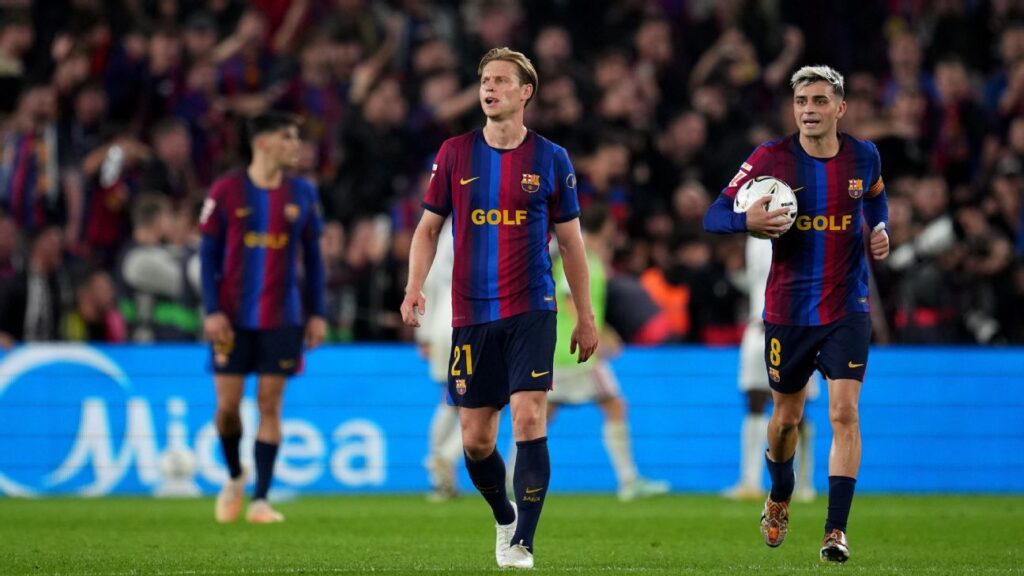
Pedri admits Barcelona paid for mistakes in 2026 Clásico loss at Spotify Camp Nou
The Clásico shock: a perfect start undone
On Sunday, the 2026 LaLiga opener at Spotify Camp Nou turned into a dramatic reversal of fortunes when Real Madrid edged Barcelona 2‑1. The Catalan giants had opened the season with a flawless 3‑0 win over Getafe, raising expectations for a dominant campaign. However, a sluggish first half left them vulnerable, and a first‑half goal from Vinícius Júnior forced Barça onto the back foot. A late equaliser from Robert Lewandowski offered hope, but a decisive strike from Jude Bellingham in the 78th minute sealed the defeat, ending Barcelona’s perfect start and handing Real Madrid three points.
Statistically, Barcelona’s possession dropped to 48% compared with their season‑opening average of 61%, and they completed only 12 successful passes inside the final third – a stark contrast to the fluid, high‑pressing brand of football they displayed against Getafe. The loss also marked the first time in the current season that Barcelona failed to keep a clean sheet, prompting immediate introspection from the squad and coaching staff.
Pedri’s self‑critique and its significance
Midfielder Pedri, who has been hailed as Barcelona’s creative fulcrum since his arrival from Las Palmas, publicly lamented his own “stupid mistakes” and a lack of quickness on the ball. In a post‑match interview, he said, “I was slow, I made simple errors, and that cost us.” His admission is unusual for a player of his stature, underscoring the weight of expectation that rests on his shoulders and the broader pressure on a squad still adjusting to Xavi Hernández’s evolving tactics.
Pedri’s candidness carries weight beyond personal accountability. Analysts at Goal.com note that when a key playmaker acknowledges tactical lapses, it often signals a willingness within the dressing room to address systemic issues rather than scapegoat individuals. This openness could foster a culture of collective responsibility, a trait that has historically propelled Barcelona to success in high‑stakes matches.
Tactical lessons for Barcelona’s new era
The defeat highlighted two recurring tactical concerns for Xavi’s side: a tendency to over‑rotate midfielders in the final third and a lingering hesitation to press aggressively against a high‑tempo Madrid side. Real Madrid’s compact defensive block forced Barcelona into long‑ball attempts, exposing the lack of verticality that Pedri himself mentioned. Moreover, the midfield trio of Gavi, Pedri and Frenkie de Jong struggled to link up quickly, allowing Madrid to regroup after each Barcelona surge.
Coaching experts, including former Barcelona assistant coach Albert Celades, suggest that Xavi may need to recalibrate his midfield shape, perhaps by deploying a more defined number‑10 role for Pedri to reduce his defensive load. This adjustment could free him to exploit spaces between the lines, a hallmark of Barcelona’s historic “tiki‑taka” identity, and reduce the incidence of the “stupid mistakes” that Pedri flagged.
Ripple effects on African players, markets and diaspora fans
While the Clásico narrative is often dominated by European storylines, its fallout reverberates across Africa and the diaspora. Barcelona’s recent recruitment strategy has leaned heavily on African talent—most notably the Ivorian midfielder Franck Kessié and the emerging Ghanaian winger Osman Bukari, who are both vying for regular minutes. A loss that exposes midfield frailties could accelerate opportunities for these players to step into more prominent roles, a development that scouts across West Africa are watching closely.
Beyond the pitch, the match’s broadcast reached millions of African households via the new LaLiga+ partnership with MultiChoice’s DStv, which reported a 12% spike in viewership for the Clásico compared with the previous season. Higher engagement translates into increased merchandise sales and betting activity, sectors where African fans contribute significantly. Consequently, Barcelona’s on‑field performance directly influences revenue streams that fund youth academies in Africa, reinforcing the club’s long‑term talent pipeline.
What’s next for Barça and LaLiga’s broader narrative
Looking ahead, Barcelona faces a crucial test against Valencia in their second league fixture. A swift rebound would be essential to maintain morale and keep pace with Real Madrid, who are already consolidating a two‑point lead. Xavi’s tactical tweaks, particularly around midfield fluidity, will be under the microscope, as will Pedri’s ability to translate his self‑analysis into decisive playmaking.
On a macro level, the match underscores LaLiga’s growing competitiveness and its expanding footprint in African markets. The league’s strategic push for African broadcasting rights and grassroots programs is likely to intensify, especially if clubs like Barcelona can showcase a clear pathway for African talent to shine on the world stage. For African fans and aspiring players, the Clásico’s aftermath may well shape the next wave of opportunities both on and off the field.
Quick Answers
What did Pedri say after Barcelona’s loss to Real Madrid?
Pedri admitted he made “stupid mistakes” and was too slow on the ball, saying his errors contributed to the defeat.
How might Barcelona’s loss affect African players at the club?
The midfield struggles could open up more playing time for African signings like Franck Kessié and Osman Bukari, boosting their chances to become regular starters.
Why is the Clásico important for African football fans?
The match draws a large African TV audience, drives merchandise sales and betting activity, and influences LaLiga’s investment in African talent development.
Source: www.espn.com



💬 Comments 0