Poland school knife attack October 2026: woman injures three, sparking security overhaul and diaspora concerns
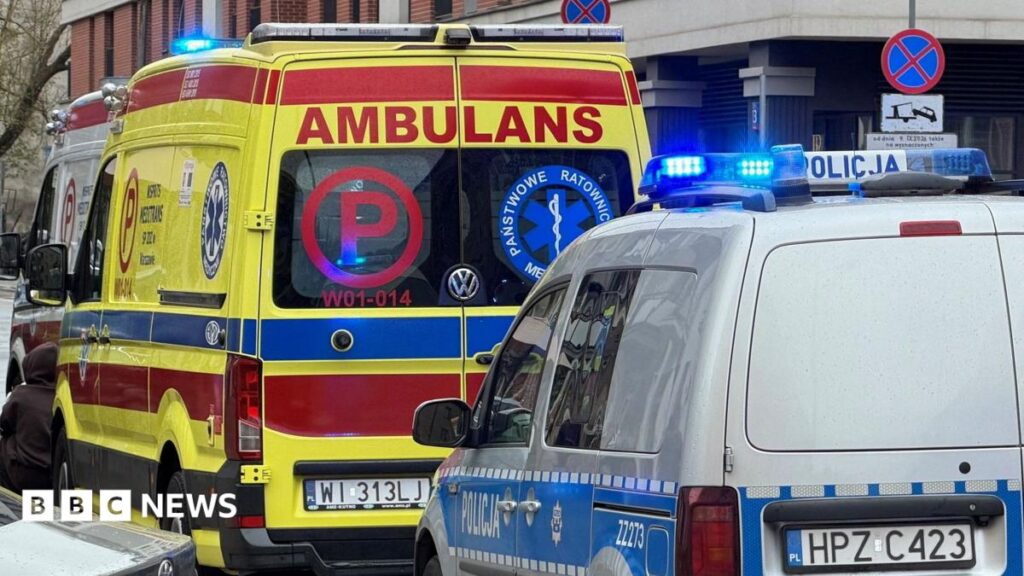
A wave of school attacks in Poland
In the span of a week, Poland has seen three separate knife attacks inside educational institutions, the latest on October 10, 2026, when a female caretaker wounded three people before being subdued. The incident follows two earlier assaults that left a caretaker dead and several students injured, prompting an unprecedented police presence in schools across the country.
The rapid succession of these events has shocked a nation that, until recently, recorded relatively low levels of school violence compared with some of its Western neighbours. According to the Ministry of Education, more than 1.2 million students were enrolled in primary and secondary schools this year, and the attacks have raised alarms about safety protocols that were previously considered adequate.
Polish authorities have now deployed specialized rapid‑response teams to over 500 schools, a move that mirrors emergency measures taken after the 2022 attacks in the United Kingdom. While the immediate goal is to deter further violence, the broader implication is a shift in how Poland perceives threats within its education system.
Why the violence is escalating
Experts point to a combination of social, economic, and mental‑health stressors that have intensified across Central Europe since the war in Ukraine reshaped the region’s geopolitical landscape. A report from the Warsaw Institute of Social Research notes a 27% rise in reported cases of youth aggression in the past two years, linked to economic uncertainty and the influx of displaced populations.
Psychologists also highlight the role of online radicalisation. A study by the European Centre for Counter‑Extremism found that knife attacks in schools have increased by 15% since 2023, often driven by individuals seeking notoriety through social media platforms. In the latest Polish case, investigators have not yet confirmed any extremist motive, but the pattern of lone‑wolf attacks raises concerns about copy‑cat behaviour.
Legislative gaps add another layer of complexity. Poland’s weapons law classifies knives under a relatively lenient category, allowing many types to be purchased without a licence. After the 2024 incident in Kraków, lawmakers proposed tighter controls, but the proposals stalled in parliament, leaving schools vulnerable to low‑tech weaponry.
Polish response and its ripple effects on African communities
Poland hosts an expanding community of African students and professionals, many of whom attend universities in Warsaw, Kraków, and Wrocław. According to the Polish Ministry of Foreign Affairs, there were roughly 12,000 African nationals enrolled in higher education in 2025, a figure that has been climbing steadily as scholarships and bilateral agreements increase.
The heightened security presence has sparked mixed reactions within this diaspora. Some African student organisations, such as the African Students Association in Warsaw, have welcomed the police deployment, fearing that any lapse could disproportionately affect foreign students who may already feel marginalized. Others worry that a militarised school environment could reinforce stereotypes that associate African youth with violence, a narrative that has persisted in some European media outlets.
In a joint statement released on October 9, the Association of African Diaspora in Poland urged the government to pair security measures with inclusive mental‑health services and anti‑discrimination training. They argued that without addressing the root causes—social exclusion, language barriers, and cultural misunderstanding—policies risk alienating the very communities that could help foster safer schools.
European security debate and the diaspora’s voice
The Polish incidents have reignited a continent‑wide debate on balancing security with civil liberties. The European Parliament is currently reviewing a proposal for a “School Safety Directive” that would standardise emergency protocols across member states. Critics, including several human‑rights NGOs, warn that such a directive could lead to over‑policing, especially in schools with high numbers of immigrant or minority students.
African diaspora groups across Europe have taken the Polish case as a rallying point. In London, the African Students Union organised a virtual forum on October 8, inviting Polish officials to discuss collaborative approaches to school safety that respect cultural diversity. Speakers emphasised that successful prevention hinges on community engagement, not just police visibility.
Meanwhile, the European Commission’s Directorate‑General for Education and Culture has pledged €45 million for a pilot programme that integrates trauma‑informed counselling in schools with significant migrant enrolment. If Poland adopts the programme, it could become a model for how security and psychosocial support coexist, offering a template that African‑run NGOs could replicate in their home countries.
What comes next for schools and policymakers
In the short term, the Ministry of Education announced a mandatory safety audit for all public schools, to be completed by the end of 2026. The audit will assess physical security, staff training, and the availability of mental‑health resources. Schools failing the audit could face temporary closure until corrective actions are taken.
Long‑term reforms are likely to focus on legislation. Sources close to the parliamentary health committee say a new amendment tightening knife‑sales regulations is slated for a vote in early 2027. If passed, the law would require age verification and a brief background check for purchases of blades longer than 15 cm, a move that could curb the easy acquisition of weapons used in school attacks.
For African students and diaspora organisations, the next steps involve advocacy and partnership. By leveraging the upcoming EU funding, they can push for culturally competent counselling services, language‑accessible safety briefings, and representation of minority voices on school safety committees. Such involvement would not only enhance protection for all pupils but also ensure that Africa‑linked communities are seen as partners in the solution, not as peripheral observers.
Quick Answers
How many school knife attacks has Poland experienced in October 2026?
Poland recorded three separate knife attacks in schools during the first week of October 2026.
What measures is the Polish government taking after the latest attack?
Polish authorities have deployed rapid‑response police teams to over 500 schools and launched a nationwide safety audit to be completed by the end of 2026.
How might the attacks affect African students in Poland?
African student groups are calling for inclusive security policies, fearing that increased police presence could reinforce negative stereotypes unless paired with anti‑discrimination training and mental‑health support.
Source: www.bbc.co.uk




💬 Comments 0