Poland school stabbings 2026 linked to online glorification of violence, says PM Tusk
Background: A surge in school‑related violence in Poland
Poland has seen a noticeable uptick in violent incidents at secondary schools over the past two years, ranging from fights over personal grievances to attacks that have left students seriously injured. While the country traditionally enjoys low rates of youth crime compared with many of its European neighbours, recent police data shows a 27 % rise in assaults reported in educational settings since 2024, prompting public concern and a series of parliamentary inquiries.
Experts point to a confluence of factors: socioeconomic pressure on families, the spread of extremist narratives on social media, and a growing sense of alienation among teenagers who feel disconnected from traditional community structures. According to a study by the Warsaw Institute for Social Research, almost half of the respondents who admitted to carrying weapons to school cited online video content that glorified aggression as a key influence.
The attacks that shocked the nation
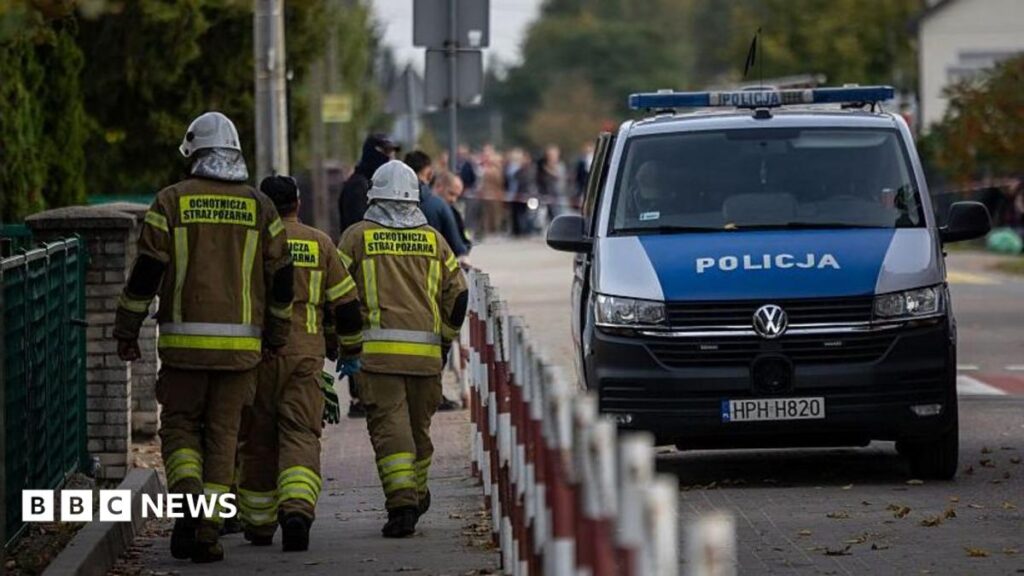
In the first week of October 2026, two separate stabbing incidents occurred at schools in the cities of Kraków and Gdańsk. The Kraków case resulted in the death of a 16‑year‑old student and left two others with life‑threatening injuries, while the Gdańsk attack left three pupils hospitalized but alive. Police recovered knives that, according to forensic analysis, were purchased online through unregulated marketplaces that market them as "self‑defence tools".
Both perpetrators posted short video clips on TikTok and a local platform called VibeLive moments before the attacks, showcasing the weapons and using hashtags that praised past violent acts. The videos were quickly deleted, but copies circulated among a network of followers, prompting investigators to label the attacks as "pre‑meditated" and “inspired by digital sub‑cultures that celebrate bloodshed.”
Tusk’s warning: online glorification as a catalyst
Prime Minister Donald Tusk addressed the nation on October 9, emphasizing that the root cause lies not merely in the physical act of stabbing but in the way the internet amplifies a culture of violence. "When young people see aggression turned into entertainment, they start to believe it is a legitimate path to respect," he said, referencing the videos that preceded the school attacks.
He called for a coordinated response that includes tighter regulation of video‑sharing platforms, stronger age‑verification mechanisms, and an educational curriculum that teaches digital literacy and critical thinking. Tusk also hinted at possible legislation that would hold platform operators accountable if they fail to remove content that glorifies illegal acts within a stipulated timeframe, echoing similar measures debated in the EU’s Digital Services Act.
What this means for African students and the diaspora in Europe
Poland hosts a growing community of African students, many of whom attend the same public schools where the attacks took place. According to the Polish Ministry of Education, roughly 12,000 African‑origin pupils were enrolled in secondary schools in 2025, a figure that has risen by 18 % since 2022. For these students, the narrative of online violence can intersect with racial stereotyping, making them vulnerable to both victimisation and wrongful suspicion.
Diaspora organisations such as the African Students Union in Warsaw have warned that the government’s focus on “online glorification” must also address the xenophobic undertones that sometimes accompany viral content. In a statement released on October 8, the union urged Polish authorities to work with African community leaders to develop culturally sensitive awareness campaigns, noting that many African families rely on community networks rather than mainstream media to receive safety information.
Wider trend: digital radicalisation and policy responses across continents
The Polish incidents echo a broader global pattern where extremist or violent content spreads unchecked on short‑form video platforms. In Nigeria, for instance, a 2025 study by the Centre for Internet Freedom found that 22 % of youths aged 15‑24 had encountered videos that praised knife attacks, with a small but measurable share indicating intent to imitate. Similar concerns have been raised in Kenya, South Africa and Ghana, where authorities are grappling with the same regulatory gaps highlighted by Tusk.
Internationally, the European Union is moving toward stricter enforcement of the Digital Services Act, while the United States is debating amendments to Section 230 that would increase platform liability. African regulators, meanwhile, are experimenting with national content‑filtering tools and public‑private partnerships aimed at improving media literacy. The convergence of these efforts suggests that the Polish tragedy could become a catalyst for a more coordinated, cross‑border approach to curbing online glorification of violence.
Looking ahead: regulation, education and prevention
In the short term, the Polish government has announced a task force that will audit the most popular video‑sharing apps for compliance with the new content‑removal timeline. Schools will receive additional funding to hire counsellors trained in digital‑trauma interventions, and a pilot programme will introduce a mandatory module on “Responsible Online Behaviour” for all students starting in the 2027 academic year.
Long‑term solutions will require collaboration between tech firms, educators, and civil‑society groups. Experts argue that simply banning content is insufficient; a proactive strategy must include empowering young people to critique the narratives they encounter and providing alternative outlets for expression. For African diaspora communities, this means ensuring that outreach materials are multilingual and that community leaders are part of the policy‑making process, thereby turning a national tragedy into an opportunity for inclusive, digital‑age safety reforms.
Quick Answers
What did Polish Prime Minister Donald Tusk say about the school stabbings?
He said the attacks were driven by online glorification of violence and called for tighter regulation of video platforms and digital‑literacy education.
How might the Polish school attacks affect African students in Europe?
African students may face increased scrutiny or xenophobic stereotypes, so diaspora groups are urging culturally sensitive safety campaigns and inclusion in policy discussions.
What steps is Poland taking to prevent future online‑inspired violence?
Poland is forming a task force to monitor video platforms, funding school counsellors, and planning a mandatory digital‑responsibility curriculum for students.
Source: www.bbc.co.uk




💬 Comments 0