Trump offers two‑month tariff truce to Xi during first US visit in a decade, 2026
Background: a decade of frosty US‑China ties
Since the trade war erupted in 2018, the United States and China have been locked in a series of tariff escalations, export controls and diplomatic spats that have reshaped global supply chains. By 2024, both sides had settled on a de‑escalation framework, but key issues such as semiconductor restrictions and intellectual‑property disputes remained unresolved, keeping markets on edge.
President Joe Biden’s administration tried to stabilize the relationship through multilateral forums, yet domestic political pressure in Washington often forced a hard‑line stance. In contrast, Chinese President Xi Jinping had not set foot in Washington since his 2015 state visit, a symbolic gap that underscored the depth of mistrust between the two powers.
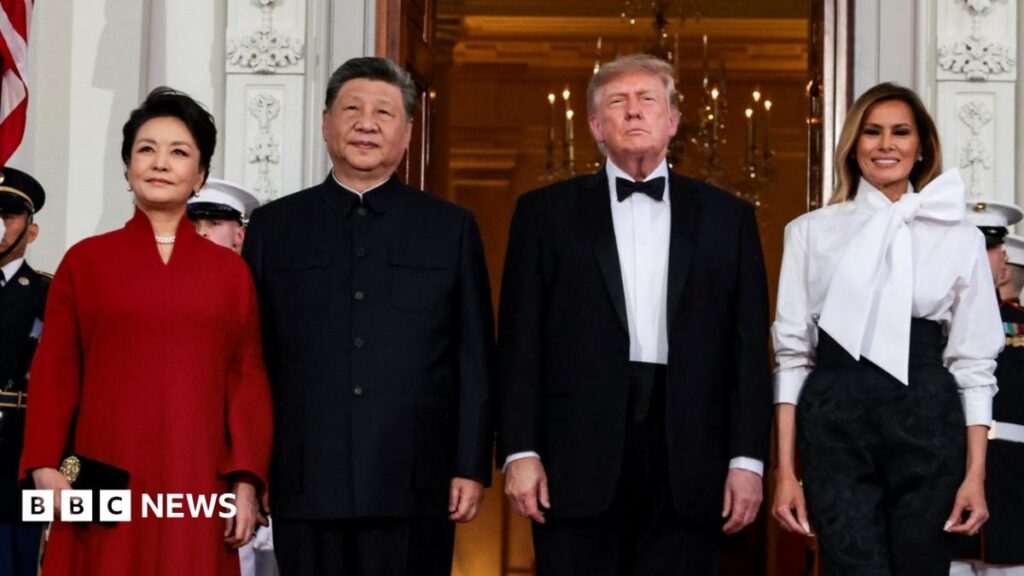
The 2026 summit, hosted by former President Donald Trump, marked the first time in ten years that Xi stepped onto the US capital’s diplomatic stage. The event was billed as a chance to reset the dialogue, but expectations were tempered by the lingering shadow of the ongoing tariff war that had already cost both economies billions.
Day two in DC: the truce on the table
On September 24, Trump announced a two‑month suspension of new tariff measures against Chinese imports, framing it as a “breath of fresh air” for American consumers and businesses. The pause applies to a basket of high‑tech components, automotive parts and consumer electronics that had been subject to escalating duties since 2022.
Xi, flanked by senior Chinese trade officials, responded with a reciprocal pledge to halt the rollout of additional export controls on US‑origin semiconductor equipment. While neither side signed a formal agreement, the verbal understanding was recorded in a joint press statement that highlighted “mutual respect for each other’s core interests.”
The truce is largely symbolic; it does not reverse tariffs already in place, nor does it address deeper strategic concerns such as the South China Sea or Taiwan. Nevertheless, the short‑term relief offers a testing ground for whether diplomatic gestures can translate into longer‑term policy shifts.
Why the pause matters beyond Washington
Even a limited halt in tariff escalation can ripple through global markets. Analysts at Bloomberg noted that the announcement shaved roughly $3 billion off projected import costs for US manufacturers in the next quarter, potentially easing price pressures on everything from smartphones to electric‑vehicle batteries.
For multinational corporations, the truce creates a narrow window to renegotiate supply contracts before any new duties take effect. Companies that rely on Chinese‑sourced components – such as Apple, Tesla and several pharmaceutical firms – are scrambling to lock in prices, a move that could stabilize earnings reports ahead of the year‑end financial close.
Economists also warn that a short‑term lull may mask underlying structural tensions. If the two‑month period ends without a broader framework, both sides could resume a tariff spiral, undoing any temporary gains and possibly sparking a new round of trade‑policy uncertainty.
Implications for Africa: trade, investment and the diaspora
Africa’s trade balance with China accounts for roughly 30 percent of the continent’s total exports, with commodities like copper, cobalt and agricultural products flowing southward. A slowdown in US tariffs on Chinese goods can indirectly benefit African exporters by keeping Chinese demand for raw materials steady, according to the African Development Bank.
Conversely, many African manufacturers have begun sourcing intermediate goods from Chinese factories to assemble finished products for the US market. The two‑month truce could lower input costs for these firms, making their exports more price‑competitive in America and potentially attracting new foreign‑direct investment into African industrial zones.
The African diaspora in the United States, particularly tech entrepreneurs and engineers, also stands to gain. Reduced tariffs on high‑tech components may lower the cost of building startups focused on AI, renewable energy and health tech, sectors where African talent is increasingly visible. Community groups in New York and Washington have already begun lobbying for longer‑term certainty, fearing that a quick re‑imposition of duties would derail nascent ventures.
Reactions: from capitals to boardrooms
In Washington, Senate Majority Leader Chuck Schumer praised the truce as “a pragmatic step toward easing consumer prices,” but warned that Congress would scrutinize any future concessions for national‑security implications. The House Committee on Ways and Means announced a hearing on the economic impact of the temporary pause, slated for early October.
Beijing’s Ministry of Commerce hailed the development as “a constructive outcome of high‑level dialogue,” emphasizing that China remains committed to “mutual benefit and win‑win cooperation.” However, state‑run media also reminded readers that China will not compromise on core strategic interests, a veiled reference to the US’s stance on technology transfers.
From the private sector, the International Chamber of Commerce released a brief urging both governments to extend the truce and move toward a comprehensive trade framework. African business councils in Lagos and Nairobi echoed the call, noting that predictability in US‑China trade policy is a prerequisite for scaling up Africa‑China investment projects.
What’s next: scenarios for the next six months
If the two‑month pause proves beneficial, both sides may negotiate a longer‑term “cooling‑off” protocol that could be embedded in a future US‑China trade agreement. Such an arrangement would likely involve periodic reviews, joint monitoring of tariff impacts, and a dispute‑resolution mechanism overseen by the World Trade Organization.
Should the truce lapse without a broader deal, analysts predict a rapid re‑imposition of duties, especially on semiconductor‑related goods, as each side seeks to protect strategic industries. This scenario could trigger supply‑chain disruptions for African firms that depend on Chinese components, prompting a shift toward alternative sources in Europe or domestic production.
A middle‑ground outcome—partial extensions on specific product categories while negotiations continue on more contentious issues—appears most plausible. In that case, African policymakers will need to stay agile, leveraging the brief stability to negotiate better terms with Chinese partners and to diversify export markets beyond the US‑China axis.
Quick Answers
What is the two‑month tariff truce announced by Trump and Xi?
It is a verbal agreement to suspend new US tariffs on Chinese imports and halt additional Chinese export controls on US semiconductor equipment for roughly two months.
How could the truce affect African exporters?
By keeping Chinese demand for African commodities stable and lowering input costs for African manufacturers that rely on Chinese parts, the pause may boost export competitiveness.
When is the next major US‑China trade negotiation expected?
No official date has been set, but diplomatic sources say both sides aim to schedule a formal talks round in early 2027 if the current truce yields positive results.
Source: www.bbc.co.uk

💬 Comments 0