DR Congo reports missing military aircraft; M23 rebels claim shoot‑down, SA pilot & Ugandan officer aboard (2026)
Background: the tangled web of conflict in eastern DRC
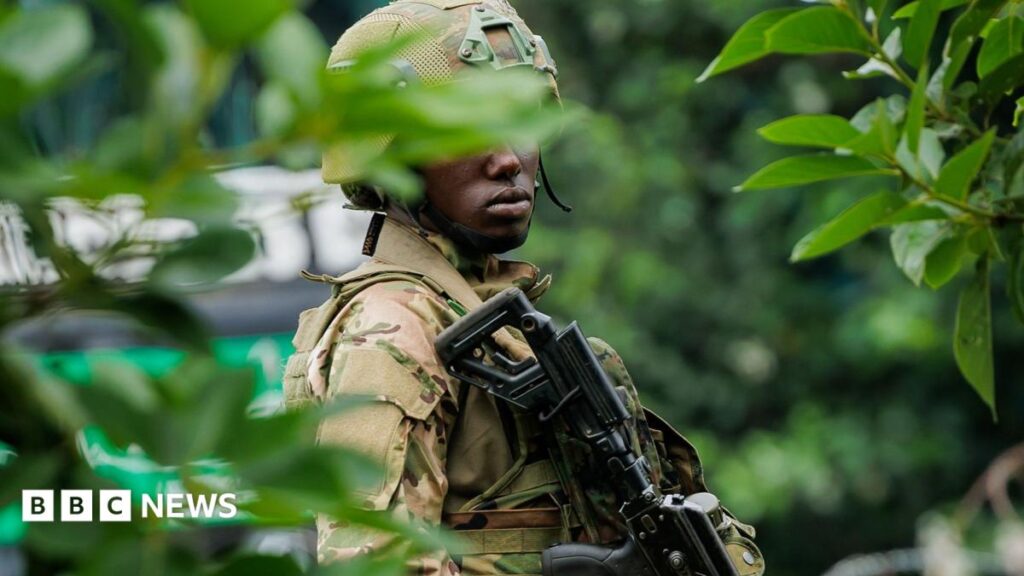
The eastern provinces of the Democratic Republic of Congo have been a flashpoint for armed rebellion since the early 2000s, with the M23 movement emerging from former national army troops disgruntled over the integration process. Their resurgence in 2024 sparked a fresh wave of fighting around Goma, Kiloba and the mineral‑rich Kivu region, drawing in neighbouring armies and regional peace initiatives.
South Africa and Uganda have both contributed troops to the United Nations Organization Stabilization Mission in the DRC (MONUSCO) and to separate bilateral security arrangements aimed at curbing the flow of weapons and protecting civilians. The South African Air Force (SAAF) recently deployed a handful of Hawk fighter jets for reconnaissance, while Uganda’s military has sent officers to support joint patrols along the border with Rwanda.
These deployments are part of a broader African effort to keep the conflict from spilling over into the Great Lakes region. Yet the presence of foreign pilots and officers on Congolese soil has always been politically sensitive, as it raises questions about sovereignty, the legality of cross‑border operations, and the risk of entangling African states in a proxy war.
What happened: a military aircraft disappears over rebel‑held territory
On 22 November 2026, a Congolese military transport aircraft took off from Goma International Airport on a routine supply mission to a forward operating base near the town of Rutshuru. The flight vanished from radar within minutes, prompting an emergency response from the Congolese Air Force and MONUSCO’s aviation unit.
M23 rebels issued a statement a few hours later, claiming they had fired a surface‑to‑air missile that struck the plane, sending it crashing into the dense forest that blankets the border region. The rebels said they recovered the wreckage and that “the enemy’s aircraft has been neutralised”.
Congolese authorities have neither confirmed nor denied the rebel claim, but they did announce that the aircraft is now listed as “missing”. Unverified reports indicate that among the crew were a South African fighter pilot, identified only as Captain Thabo Mokoena, and a Ugandan officer, Lieutenant Colonel Grace Nanyanzi, both of whom were reportedly on a joint observation mission.
Why it matters: regional security, diplomatic fallout and the risk to African troops
If the rebels’ account is accurate, the incident marks the first time a foreign‑trained African pilot has been targeted in the DRC conflict, raising the stakes for countries that have pledged troops to the region. South Africa’s defence ministry has historically been cautious about direct combat involvement; a casualty could force a policy reassessment and fuel domestic debate over the cost of “peace‑keeping” abroad.
Uganda, which is already under scrutiny for its own involvement in the Kivu insurgency, may face pressure from the East African Community to clarify the legal basis for its officer’s presence on a Congolese military flight. The loss of a senior officer could also complicate ongoing joint‑command structures that rely on Ugandan intelligence to track rebel movements.
Beyond the immediate diplomatic ripples, the incident could embolden M23 to pursue more aggressive anti‑air tactics, prompting MONUSCO and regional forces to reconsider the use of air assets in contested zones. That shift would have a knock‑on effect on humanitarian aid delivery, which heavily depends on helicopters and cargo planes to reach remote, conflict‑hit communities.
Reactions across Africa and the diaspora
The South African government issued a brief statement saying it was “deeply concerned” and that an internal investigation had been launched. Opposition parties in Pretoria seized on the news, accusing the ruling party of sending troops into a “quagmire” without adequate safeguards, a narrative echoed by South African diaspora groups on social media.
Uganda’s president’s office expressed “condolences to the families of any personnel affected” and pledged to cooperate with Congolese authorities. Analysts in Kampala warned that any escalation could jeopardise the country’s broader security cooperation with the African Union, especially as Uganda prepares to host the AU’s 2027 peace‑building summit.
In Kinshasa, President Félix Tshisekedi called the incident a “provocation by terrorist elements” and urged the international community to strengthen sanctions against M23. The United Nations, through its spokesperson in New York, urged an independent fact‑finding mission, noting that the loss of any aircraft threatens the fragile humanitarian lifelines that serve over three million displaced people.
What’s next: investigations, possible escalation and the future of African air‑power in the DRC
The Congolese military has announced a joint forensic team with MONUSCO to locate the wreckage and recover any remains. Satellite imagery released by a private firm on 24 November shows a disturbance in the canopy consistent with a crash site, but verification on the ground remains hampered by rebel checkpoints.
Should the investigation confirm a rebel missile strike, the United Nations Security Council is expected to convene an emergency session to discuss possible revisions to the Rules of Engagement for peace‑keeping forces. African Union officials have hinted at a “regional air‑defence task force” that could provide short‑range anti‑missile coverage for UN and African troops operating in the east.
For African creatives and journalists, the incident is already shaping a wave of storytelling that foregrounds the human cost of foreign deployments. Podcasts from Nairobi and Lagos are interviewing families of the missing pilot and officer, while a new documentary series in production aims to trace the supply routes that keep hospitals running in Goma. The narrative underscores how a single aircraft loss reverberates through economies, media, and diaspora communities across the continent.
Quick Answers
Who were the foreign personnel reportedly on the missing DRC military aircraft?
Reports say a South African fighter pilot, Captain Thabo Mokoena, and a Ugandan officer, Lieutenant Colonel Grace Nanyanzi, were aboard the plane.
What group claims to have shot down the aircraft?
The M23 rebel movement said it fired a surface‑to‑air missile that downed the Congolese military aircraft.
How could this incident affect African peace‑keeping missions in the DRC?
If confirmed, it may lead to stricter rules of engagement, a reassessment of air‑asset use, and possibly the creation of a regional air‑defence task force to protect troops.
Source: www.bbc.co.uk


💬 Comments 0