Powderfinger Announces First Tour in 17 Years for 2026, Sparking Global Reunion Fever
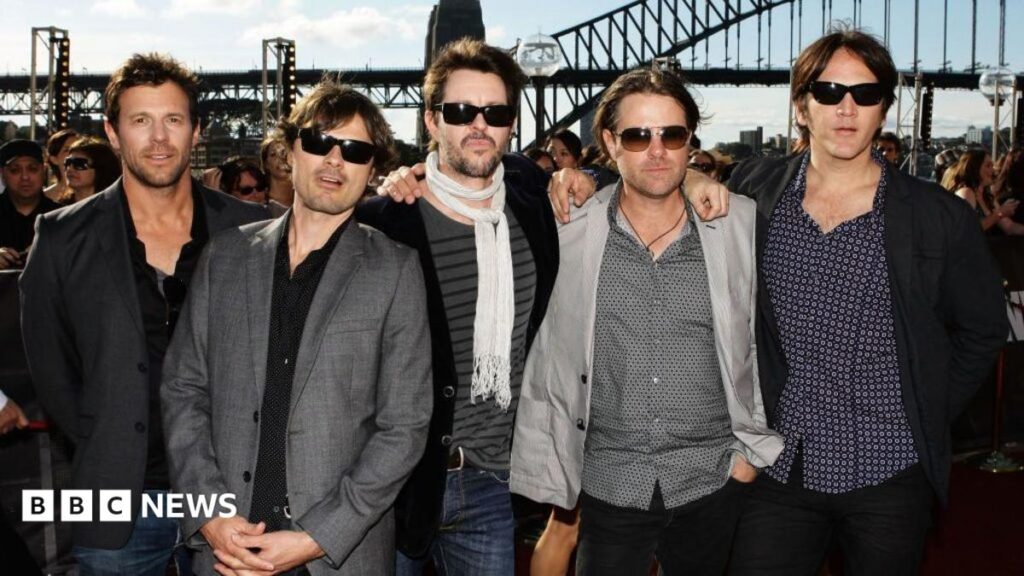
A band that defined a generation of Australian rock
Formed in Brisbane in 1989, Powderfinger rose from the city’s modest pub circuit to become one of Australia’s most beloved rock outfits. Over a two‑decade span they released seven studio albums, including the multi‑platinum "Odyssey" (2000) and the chart‑topping "Vulture Street" (2003), which together sold more than three million copies domestically. Their anthemic tracks such as "My Happiness" and "These Days" earned frequent radio rotation and cemented the group’s place in the national cultural memory, earning them eight ARIA Awards and a reputation for lyrical storytelling that resonated far beyond the suburbs of Brisbane.
Even after the band announced a hiatus in 2010, their music continued to thrive on streaming platforms, where their catalog now garners over 500 million plays each year, according to data from Spotify. The enduring popularity of their songs among younger listeners, many of whom discovered the band via algorithmic playlists rather than radio, underscores the lasting relevance of their sound in a digital‑first music landscape.
The surprise reunion and the 2026 tour plan
Late last week the four members—Bernard Fanning, Darren Middleton, John Collins and Ian Haug—issued a joint statement confirming that they are "absolutely ecstatic" to be back on stage together. The announcement came ahead of a surprise live performance at Sydney’s Enmore Theatre, where the band played a shortened set that included both classic hits and a handful of unreleased tracks from a rumored new EP. In the same statement, they revealed a 12‑date Australian tour slated to begin in February 2026, covering major cities such as Melbourne, Brisbane, Perth and Adelaide, with tickets slated for release in early November.
The tour will be supported by Australian indie act The Teskey Brothers, marking a rare pairing of two of the country’s most respected live acts. According to the band's manager, the itinerary was designed to hit both large arenas and intimate venues, offering fans a mix of grand spectacles and the “pub‑rock intimacy” that defined Powderfinger’s early days.
Why the comeback matters for the music business
Powderfinger’s return arrives at a moment when legacy acts are reshaping the live‑music economy. Industry analysts note that reunion tours now generate an average of 30 % higher per‑show revenue than new‑artist tours, driven by higher ticket prices and the willingness of older fans to spend on premium experiences. A report from the Australian Entertainment Industry Association (AEIA) predicts that the band’s tour could add roughly AU$45 million to the domestic live‑music market, a boost that could help offset the lingering effects of pandemic‑related venue closures.
Beyond the stage, reunion tours often trigger a surge in catalog streaming. After the 2019 reunion of the British band Oasis, Spotify reported a 70 % increase in plays of their back‑catalog within a month. Early data from Apple Music suggests a similar pattern for Powderfinger, with a 45 % jump in streams of their 2000s hits in the week following the announcement. This dual revenue stream—ticket sales and increased digital consumption—offers a compelling blueprint for other mid‑career artists weighing a comeback.
Implications for African audiences, festivals and the diaspora
While Powderfinger’s primary market is Australia, their resurgence has ripple effects for African listeners, particularly in South Africa, Kenya and Nigeria where Australian indie and alternative rock have carved out niche followings on platforms like Deezer and Boomplay. In South Africa, the band’s tracks regularly appear on curated “Aussie Rock” playlists that attract over 150 000 monthly listeners, according to local streaming data. The reunion tour therefore promises a fresh wave of exposure that could translate into higher streaming royalties for the band and greater algorithmic weight for Australian music on African services.
South Africa’s festival circuit—home to events such as Rocking the Daisies and Oppikoppi—has increasingly booked international acts that can draw cross‑continental crowds. The success of recent Australian headliners like Tame Impala and The Avalanches has demonstrated that local promoters are eager to diversify line‑ups beyond the traditional UK‑US axis. Should Powderfinger decide to add a South African leg, they would join a growing list of Aussie acts that have helped raise the profile of the continent’s live‑music market, potentially encouraging more touring opportunities for African artists in Australia in return.
What comes next: ticket demand, possible African legs and the legacy of reunion tours
Tickets for the Australian dates went on sale on 5 November and sold out within hours, according to Ticketek, prompting the promoter to add two extra shows in Melbourne and Sydney. Resale platforms are already showing secondary‑market prices that are 150 % above face value, a sign that demand far exceeds supply. In the weeks ahead, the band’s management is expected to gauge interest for an extended tour, with rumours circulating that a handful of shows in Johannesburg or Lagos could be on the table. Sources close to the planning team say that any African dates would be contingent on venue capacity, local promoter interest and the ability to secure a reliable logistics partner.
Regardless of whether Powderfinger eventually lands on African soil, the broader impact of their comeback is likely to be felt in how legacy acts view the continent as a viable touring destination. The growing middle‑class audience for live music in cities like Nairobi and Accra, combined with improved festival infrastructure, makes Africa an attractive market for artists seeking to monetize their back‑catalogs beyond the traditional Western strongholds. Powderfinger’s move could therefore serve as a bellwether, encouraging more Australian and other non‑Western musicians to consider Africa as part of their global touring strategy.
Quick Answers
When does Powderfinger's first tour in 17 years start?
The tour kicks off in February 2026, with the first concert scheduled for Sydney.
Will Powderfinger play any shows in Africa?
There are no confirmed African dates yet, but the band’s management is reportedly exploring the possibility.
How could Powderfinger's reunion affect streaming in Africa?
The reunion is expected to boost the band’s catalog streams on African platforms, as renewed media attention often drives playlist placements and listener curiosity.
Source: www.bbc.co.uk




💬 Comments 0