Qantas Rome‑Sydney Flight Grounded in 2026 After Bedbug Outbreak Triggers Passenger Bites
Background: Bedbugs Resurface in International Travel
Over the past decade, bedbugs have re‑emerged as a nuisance for airlines, hotels and cruise ships, despite earlier hopes that the pest had been largely eradicated. Data from the World Health Organization shows a steady rise in reported infestations across Europe and North America since 2018, a trend that experts link to increased global mobility and the insect’s growing resistance to common pesticides.
Airlines have traditionally focused on aircraft safety and in‑flight service, but the spread of bedbugs forces a shift toward stricter sanitation protocols. In 2024, the International Air Transport Association (IATA) issued new guidelines urging carriers to conduct regular inspections of cabin upholstery and to train crew members to recognise early signs of infestation. However, implementation varies widely, leaving gaps that opportunistic pests can exploit.
For passengers, the threat is not just a nuisance; bites can cause allergic reactions, secondary infections and, in rare cases, psychological distress. Travel forums and consumer watchdog groups have reported a surge in complaints about bites on long‑haul flights, prompting calls for more transparent reporting mechanisms from airlines.
What Happened on the Qantas Rome‑Sydney Flight
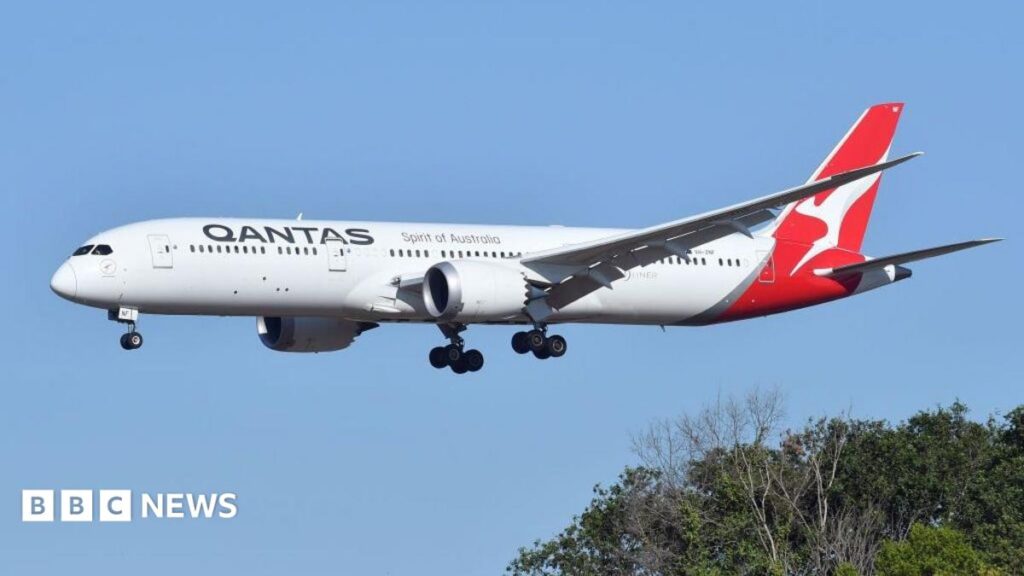
On 12 October 2026, Qantas Flight QF13 departed Rome’s Fiumicino Airport bound for Sydney, carrying 312 passengers and crew. Mid‑flight, several passengers began reporting itchy welts, prompting the cabin crew to distribute antihistamine tablets and advise those affected to seek medical attention upon landing.
After the aircraft touched down at Sydney Kingsford Smith Airport, Qantas officials conducted a rapid inspection and confirmed the presence of live bedbugs in the forward cabin. The airline announced the flight would be taken out of service for deep cleaning, and all passengers were offered refunds or re‑booking on alternative services. The incident was later confirmed by the Australian Department of Agriculture, Water and the Environment, which cited a “potential biosecurity risk”.
The grounding of the aircraft sparked a cascade of operational challenges for Qantas, which already faces capacity pressures on its Europe‑Australia routes. The airline temporarily reassigned a spare A380 from its Asian network to cover the gap, incurring additional costs and causing a ripple effect of minor delays across its schedule.
Why It Matters for Australian Tourism and African Diaspora Travelers
Australia relies heavily on inbound tourism, with European visitors accounting for roughly 12% of total arrivals in 2025. A high‑profile incident involving a flagship carrier like Qantas can erode confidence among prospective travelers, especially those planning multi‑city trips that include stops in Europe before heading down under.
The African diaspora in Australia, which numbers over 1.2 million according to the 2024 census, often travels back to family homelands in Nigeria, Kenya and South Africa via European hubs. News of a bedbug outbreak on a Rome‑Sydney service may prompt diaspora members to reconsider routing choices, potentially shifting demand toward airlines that operate direct flights from African capitals to Sydney, such as Ethiopian Airlines or Kenya Airways.
Travel agencies catering to African tourists have already reported an uptick in inquiries about sanitation standards on long‑haul flights. According to a survey conducted by the African Travel Association in September 2026, 38% of respondents said they would prefer airlines that publicly disclose their pest‑control procedures, even if it meant paying a higher fare.
Broader Industry Implications: Hygiene Standards and Regulatory Gaps
The Qantas incident underscores a broader industry challenge: balancing rapid turnaround times with thorough cabin sanitation. While many carriers have adopted UV‑light treatments and steam cleaning, the effectiveness of these methods against bedbugs remains debated among entomologists.
Regulators in the European Union have begun to draft stricter reporting requirements for airlines operating within its borders. A draft amendment to the EU Aviation Safety Regulation, discussed in Brussels last month, would mandate that carriers disclose any confirmed pest incidents within 24 hours of detection. If adopted, the rule could set a new benchmark that Australian and African regulators may emulate.
Airports themselves are also part of the solution. In 2025, Dubai International introduced a “Pest‑Free Zone” program that requires all ground‑handling contractors to undergo quarterly inspections. Similar initiatives are being piloted at Johannesburg’s OR Tambo International Airport, where the South African Civil Aviation Authority is collaborating with local universities to develop rapid‑diagnosis kits for bedbug detection.
What Comes Next: Policy Responses and Traveler Advice
Qantas has pledged to upgrade its inspection regime, stating that every aircraft returning from long‑haul routes will undergo a mandatory cabin sweep before the next departure. The airline also announced a partnership with Australian pest‑control firm Rentokil to install sensor‑based monitoring devices in high‑traffic seats.
For travelers, experts recommend a few practical steps: keep luggage off the floor, inspect seat cushions before settling in, and wash all clothing in hot water as soon as possible after a long flight. The Australian Consumer Affairs Advisory Board has added a new checklist to its travel safety portal, specifically addressing bedbug risk on international flights.
Looking ahead, the incident may accelerate discussions about a global certification for “bedbug‑free” aircraft, similar to existing clean‑air or noise‑abatement standards. If such a label gains traction, airlines that meet the criteria could leverage it as a competitive advantage, especially in markets where health‑conscious travelers—like the African diaspora community—are increasingly influential.
Quick Answers
Why was the Qantas Rome‑Sydney flight cancelled in October 2026?
The flight was grounded after crew and passengers reported bedbug bites, and an inspection confirmed live insects in the cabin, prompting a deep‑cleaning operation.
How could this bedbug outbreak affect African travelers to Australia?
It may cause African diaspora and tourists to favour airlines with stricter sanitation records or direct Africa‑Australia routes, potentially shifting demand toward carriers like Ethiopian Airlines.
What steps is Qantas taking to prevent future infestations?
Qantas will implement mandatory cabin sweeps after long‑haul trips, install sensor‑based monitoring devices, and work with pest‑control specialists to improve cleaning protocols.
Source: www.bbc.co.uk




💬 Comments 0