Ramayana: Rise of a Legend 2026 – Bollywood’s $30 Million Epic Divides Critics, Sparks Global Talk
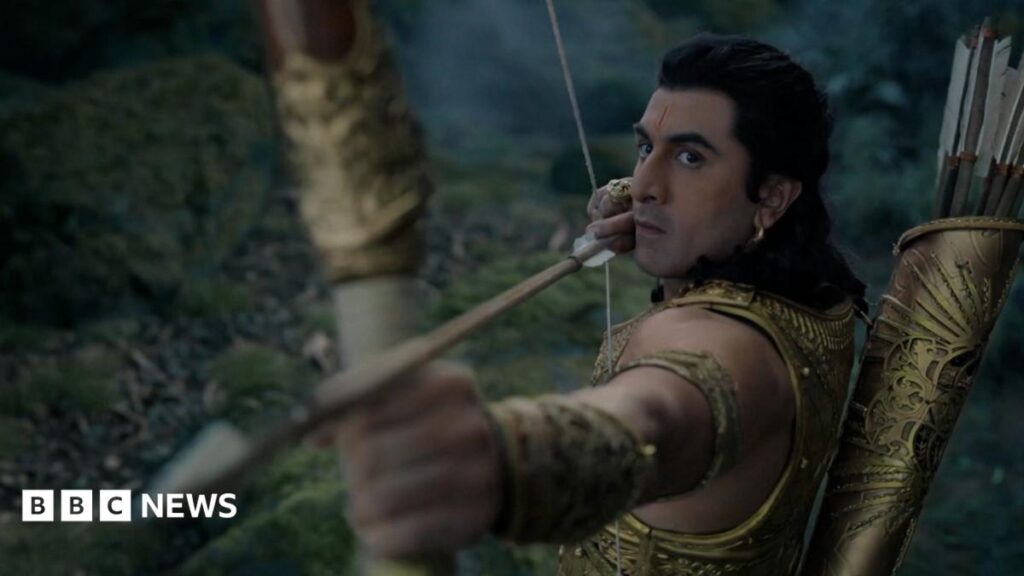
Epic Reboot: Background and Production Scale
The ancient Indian saga of the Ramayana has been retold countless times, from temple murals to television serials. In 2026, director Anurag Singh and his team launched the most ambitious cinematic version yet, titled "Ramayana: Rise of a Legend," promising a two‑part spectacle that rivals Hollywood’s biggest franchises in both visual effects and spending. With an estimated budget of $30 million – roughly 2.5 billion rupees – the film became the costliest production in Bollywood history, a figure that dwarfs the average Indian blockbuster by a factor of five.
The production enlisted a multinational crew, including VFX houses from the United Kingdom, Canada, and South Korea, to recreate the mythic landscapes of Ayodhya, Lanka, and the forest of Dandaka. Principal photography spanned six months across locations in Rajasthan, Sri Lanka, and a purpose‑built studio in Mumbai that housed a 30‑meter water tank for the climactic sea battle. The scale of the undertaking reflects a broader shift in Indian cinema toward mega‑budget, globally marketable spectacles.
The decision to split the story into two parts mirrors the strategy of franchises like "The Lord of the Rings" and the Marvel Cinematic Universe, allowing the makers to stretch the narrative across a longer arc and maximize revenue streams. The first installment, released on November 2, 2026, focuses on Rama’s exile and the abduction of Sita, while the sequel promises to cover the final war against Ravana and the moral resolution of the epic.
Narrative Choices and the Critical Split
Critics are divided not just over the film’s visual grandeur but also its storytelling decisions. Traditionalists argue that the script takes liberties with revered verses, inserting modern dialogue and altering character motivations to appeal to younger audiences. For instance, the film portrays Sita as a more outspoken political figure, a move praised by some feminist commentators but condemned by others who see it as anachronistic.
The film’s pacing has also been a point of contention. While some reviewers laud the meticulous world‑building and the emotional weight given to secondary characters like the monkey‑god Hanuman, others claim that the three‑hour runtime feels bloated, with several set‑pieces that prioritize spectacle over narrative coherence. According to a review in The Times of India, the film’s “visual feast sometimes drowns out the soul of the original poem.”
Nonetheless, the movie’s score, composed by A.R. Rahman, and its costume design, which blends authentic textile research with high‑fashion flair, have received near‑universal acclaim. The soundtrack has already topped streaming charts in India, and the costumes are expected to influence upcoming fashion collections across South Asia.
Economic Stakes: Budget, Box Office, and Global Distribution
The $30 million outlay was financed through a consortium of Indian studios, a Saudi sovereign wealth fund, and a pre‑sale agreement with Netflix for worldwide streaming rights after the theatrical window. Early box‑office numbers indicate a strong domestic opening, with $12 million collected in the first three days, making it the biggest opening weekend for a Hindi film in 2026.
Internationally, the film is tapping into the growing appetite for Indian content in markets such as the United Kingdom, the United Arab Emirates, and the United States, where the diaspora accounts for a sizable share of ticket sales. In the first week, the movie earned $4 million from overseas territories, a figure that analysts at Bloomberg project could double once the sequel drops later next year.
The Netflix deal is particularly significant for the film’s long‑term profitability. By securing a global streaming platform early, the producers mitigate the risk of a post‑theatrical revenue slump—a lesson learned from past high‑budget Indian films that underperformed at the box office despite critical praise. The streaming rights are set to launch on Netflix in early 2027, positioning the epic alongside other Indian originals that have broken into the platform’s top‑10 worldwide list.
African Audiences, Diaspora, and Market Ripple Effects
While the Ramayana is rooted in South Asian mythology, its release is resonating far beyond the subcontinent. African markets, especially Nigeria, Kenya, and South Africa, have seen a surge in demand for Indian cinema over the past decade, driven by affordable streaming subscriptions and the popularity of Bollywood dance numbers. Local cinemas in Lagos and Nairobi reported sold‑out screenings within hours of the film’s debut, a trend that mirrors the success of earlier Indian blockbusters like "Baahubali" and "RRR".
The film’s themes of duty, exile, and moral conflict strike a chord with African audiences who often engage with stories of heroism and resilience. Moreover, the high production values set a new benchmark for African filmmakers seeking co‑production partnerships. In a recent interview, Nigerian director Kemi Adetiba mentioned that the visual effects of "Ramayana: Rise of a Legend" could inspire collaborative VFX workshops between Bollywood studios and emerging African post‑production houses.
From a business perspective, the movie’s success is prompting African distributors to negotiate more aggressive revenue‑share models for future Indian releases. The South African market, for instance, is already in talks with Indian producers to secure exclusive theatrical windows for the sequel, hoping to capitalize on the momentum generated by the first part. This could open doors for African talent to appear in future Bollywood epics, further blurring the lines between regional film industries.
What Comes Next: Sequels, Streaming, and Cultural Conversations
The sequel, tentatively titled "Ramayana: Fall of Lanka," is slated for a summer 2027 release. Early reports suggest an even larger budget, with additional VFX work planned for the climactic battle scenes. The filmmakers have promised to address some of the criticisms leveled at the first part, particularly regarding pacing, by tightening the script and focusing more on the central love triangle of Rama, Sita, and Ravana.
Beyond the sequel, the film’s partnership with Netflix signals a broader strategy for Indian epics to find life on global streaming platforms. As Netflix continues to invest in Indian original content, it may commission spin‑off series that explore side characters like Sugriva or the sage Valmiki, offering deeper cultural context and attracting niche audiences worldwide, including the African diaspora.
Culturally, the film has ignited a renewed public debate about how ancient texts should be adapted for modern media. Academic panels at Delhi University and the University of Nairobi are scheduled to discuss the balance between artistic liberty and religious sensitivity. The outcome of these conversations could shape future adaptations of sacred narratives, not only in India but across the global film landscape.
Quick Answers
What was the budget of Ramayana: Rise of a Legend?
The film was produced on an estimated budget of $30 million, making it the most expensive Bollywood movie ever.
When is the sequel to Ramayana: Rise of a Legend expected to release?
The sequel, "Ramayana: Fall of Lanka," is planned for a summer 2027 theatrical launch.
How is the film performing in African markets?
In cities like Lagos and Nairobi, the movie sold out quickly, and distributors are negotiating exclusive windows for the sequel.
Source: www.bbc.co.uk




💬 Comments 0