Republican Midterm Convention Dallas Night Two: Speakers Call Democrats ‘Threat to America’ Ahead of 2026 Elections
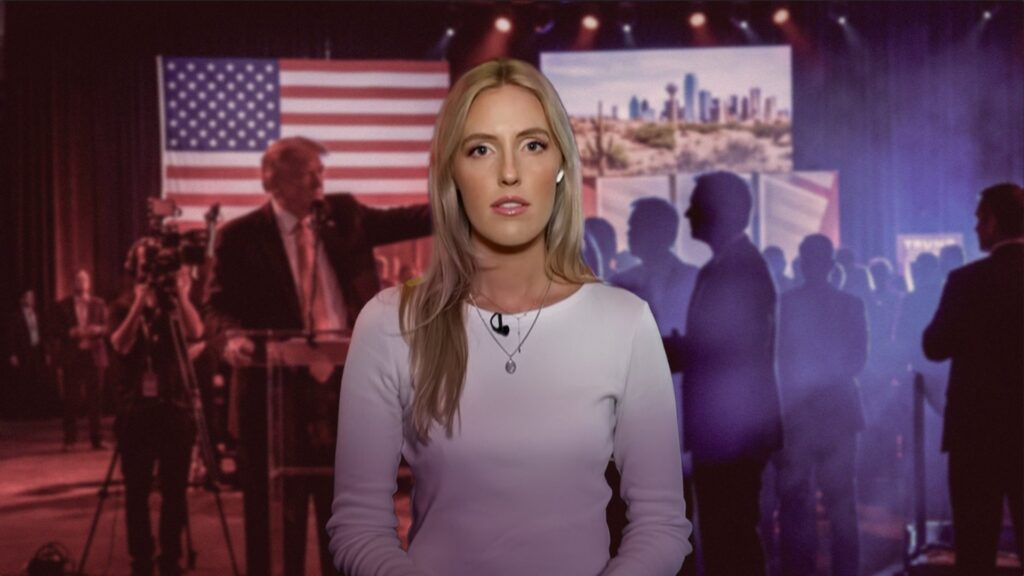
Setting the Stage: The 2026 Republican Midterm Convention
The Republican National Committee convened its midterm strategy summit in Dallas on September 10-12, 2026, marking the first major party gathering since the 2024 presidential race. The three‑day event brings together governors, senators, congressional leaders, and key donors to fine‑tune messaging and fundraising ahead of the November midterms, which will decide control of the House and Senate.
Dallas was chosen for its symbolic blend of Texas’s electoral clout and its reputation as a logistics hub that can accommodate large crowds while keeping costs manageable. Organizers emphasized that the venue reflects the party’s “heartland” appeal, a narrative that has been central to Republican outreach since the 2016 realignment.
The convention’s agenda includes policy workshops, voter‑targeting sessions, and high‑profile speeches designed to energize the base. Night two, held on September 11, was slated as the “message‑building” night, where speakers were expected to articulate the core narrative that would dominate the party’s advertising blitz.
The Night Two Narrative: Democrats Framed as a Threat
During the prime‑time address, several senior Republicans repeatedly described the Democratic Party as an existential danger to the United States. Former House Speaker Kevin McCarthy opened with a line that echoed the party’s long‑standing “culture of crisis” rhetoric, warning that “the left’s agenda will erode our freedoms, our borders, and our economic future.”
Senator Tim Scott followed, linking the threat narrative to specific policy battles such as immigration reform, education funding, and what he called “radical gender ideology.” He argued that Democratic control of Congress would enable “a cascade of unchecked spending and social engineering that threatens every American family.”
The most striking moment came from a rising GOP star, Representative Elise Stefanik, who invoked a “red‑line” metaphor, stating that “if we allow Democrats to rewrite the Constitution on issues like gun rights and free speech, we lose the very idea of America.” Her remarks were punctuated by applause, signaling that the threat framing resonated strongly with the audience.
Why the Rhetoric Matters: Electoral Stakes and Policy Battles
The threat narrative is not merely rhetorical; it serves a strategic purpose in the 2026 midterms. By casting Democrats as a danger, Republicans aim to consolidate undecided swing voters who may be wary of rapid social change. Political scientists note that fear‑based messaging can increase voter turnout among the base while nudging moderate voters toward the status quo (according to a study from the Brookings Institution).
Moreover, the framing sets the stage for policy priorities that the GOP hopes to defend or expand if it regains full control of Congress. Issues such as border security, tax cuts, and deregulation have already been earmarked as “must‑win” items in internal briefing documents leaked to the press. Positioning Democrats as a barrier to these goals intensifies the partisan divide and forces voters to choose between competing visions of America’s future.
The timing also aligns with the party’s fundraising cycle. After the night‑two speeches, the Republican National Committee reported a surge of $150 million in new contributions, a figure that analysts attribute to the heightened emotional appeal of the threat narrative.
Impact on African Diaspora and U.S.-Africa Relations
While the convention’s focus is domestic, its rhetoric reverberates among African‑American communities and the broader African diaspora in the United States. The threat framing often dovetails with policies that affect immigration, policing, and voting rights—areas of particular concern for Black voters who historically lean Democratic.
African‑American voter turnout in the 2022 midterms rose to a record 63 percent, according to the U.S. Census Bureau. If the GOP’s messaging successfully suppresses enthusiasm among these voters, it could shift the balance in swing districts with sizable Black populations, such as Georgia’s 5th congressional district and Maryland’s 4th. Conversely, some African diaspora groups see the emphasis on “border security” as a direct challenge to family reunification efforts that affect immigrants from Nigeria, Ghana, and Kenya.
On the foreign policy front, the Republican narrative may influence the administration’s stance toward African nations. In recent years, GOP lawmakers have pushed for stricter trade agreements and reduced foreign aid, arguing that resources should be redirected to “American workers.” If such positions gain traction, they could reshape U.S. investment in African infrastructure projects, affecting sectors from renewable energy to telecommunications.
Reactions Across the Political Spectrum
Democratic leaders quickly condemned the Dallas speeches as “dangerous demagoguery.” House Majority Leader Hakeem Jeffries tweeted that the GOP’s “fear‑mongering” threatens democratic norms and undermines the nation’s pluralistic fabric. Progressive groups organized a counter‑rally in Washington, D.C., emphasizing solidarity with marginalized communities.
Republican allies defended the messaging as “truth‑telling.” A spokesperson for the National Republican Congressional Committee said the party is simply “calling out policies that would hurt everyday Americans.” Meanwhile, moderate Republicans expressed unease, fearing that extreme language could alienate suburban voters who helped flip the House in 2022.
Media analysts noted a split in coverage: mainstream outlets highlighted the incendiary language, while conservative talk shows praised the speakers for “drawing a clear line” against Democratic proposals. Social media metrics showed the speeches generated over 12 million impressions within 24 hours, indicating that the message is already permeating the public discourse.
What Comes Next: Midterms, Voter Mobilization, and Party Strategy
As the November 2026 midterms approach, the Republican Party will likely double down on the threat narrative in television ads, mailers, and digital outreach. Early polling in key battleground states suggests that voters who perceive a “real danger” are more likely to support candidates who promise decisive action.
Democrats, on the other hand, are expected to pivot toward a counter‑narrative that frames Republican rhetoric as a threat to civil liberties and economic stability. Campaign strategists say the party will focus on voter registration drives in historically under‑served communities, including African‑American neighborhoods and immigrant enclaves, to offset any potential suppression effects.
Finally, the convention’s messaging could influence legislative agendas beyond the midterms. If Republicans regain a Senate majority, the threat framing may justify more aggressive oversight of Democratic‑led agencies, potentially reshaping policy areas ranging from climate regulation to tech antitrust. For African investors and diaspora entrepreneurs, the resulting policy environment will determine the ease of doing business with the United States in the next election cycle.
Quick Answers
When are the 2026 United States midterm elections scheduled?
The 2026 midterm elections are set for Tuesday, November 3, 2026.
What did Republican speakers say about Democrats at the Dallas convention?
Speakers described Democrats as a threat to America’s freedoms, borders, and economic future, using language that framed the party as an existential danger.
How could the GOP’s threat narrative affect African‑American voters?
The rhetoric may discourage turnout among Black voters, who traditionally support Democrats, and could influence swing districts with large African‑American populations.
Source: www.aljazeera.com




💬 Comments 0