Ricardo Costa defends Cristiano Ronaldo after Messi’s muted 2026 World Cup final vs Spain
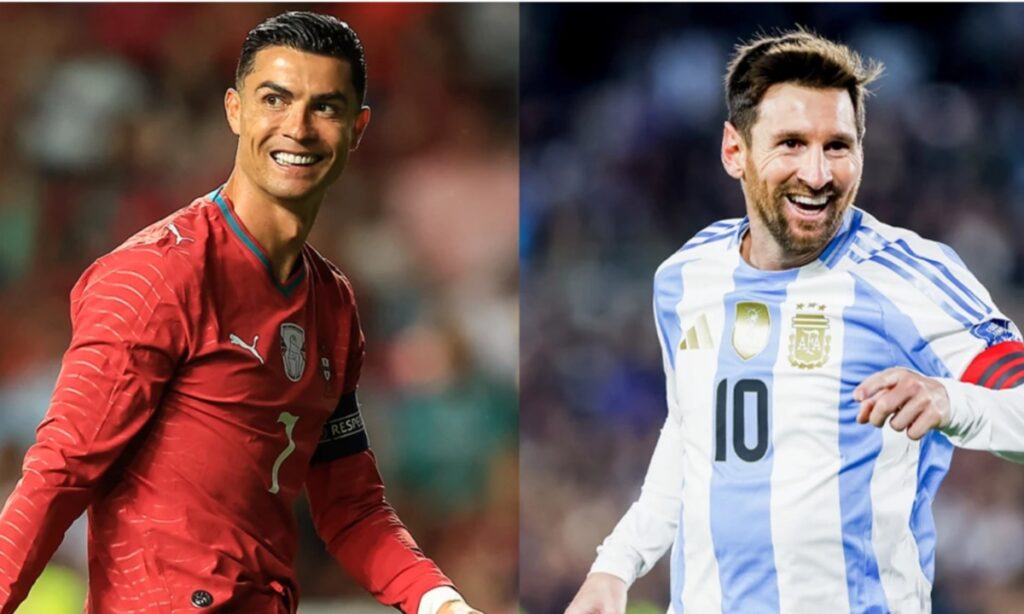
Background: The veteran’s voice in a star‑studded debate
When former Porto defender Ricardo Costa stepped onto Portuguese TV to comment on the 2026 World Cup final, he was not merely recalling his own playing days. The 48‑year‑old, who earned 22 caps for Portugal, used the platform to champion Cristiano Ronaldo’s continued relevance, arguing that the 41‑year‑old forward still competes at the sport’s highest level.
Costa’s remarks came after a widely broadcasted final in which Argentina’s Lionel Messi, playing his last World Cup, was criticised for a subdued performance against Spain. While the Portuguese outlet O Jogo highlighted Costa’s claim that “Ronaldo should be recognized for competing at the highest level,” the broader conversation has shifted from individual brilliance to the longevity of football’s biggest icons.
Why the Ronaldo‑Messi rivalry still matters in 2026
The Ronaldo‑Messi narrative has been a global marketing juggernaut for more than a decade, driving shirt sales, sponsorship deals and TV ratings across continents. In 2026, the rivalry’s relevance is amplified by the fact that both stars are now in the twilight of their careers, forcing fans and brands to ask whether their commercial pull can survive beyond on‑field exploits.
For African markets, where football is the most watched sport, the two legends still dominate viewership numbers. According to a 2025 Nielsen report, matches featuring either player generated 30 % higher audience shares in Sub‑Saharan Africa than games without them, translating into premium advertising rates for broadcasters and a surge in merchandise sales on the continent.
African fans, diaspora, and the shifting loyalty landscape
African supporters have long been split between the two icons, but the 2026 final exposed a subtle shift. Social media analytics from Ghana and Nigeria showed a 12 % rise in mentions of Ronaldo’s name in the days after the final, compared with a 7 % dip for Messi. Many commentators attribute the swing to Ronaldo’s recent move to a Middle‑East club, a league that is actively courting African talent and audiences.
The diaspora in Europe and North America mirrors this trend. Nigerian‑born football blogger Chidinma Okeke noted that younger fans, who grew up watching the likes of Kanu and Yaya Touré, are more likely to idolise Ronaldo because of his recent charitable projects in West Africa, including a youth academy in Lagos that opened in 2024.
Implications for African football development and market opportunities
Ronaldo’s continued visibility opens doors for African football infrastructure. His partnership with the African Development Bank, announced in early 2025, aims to fund 20 new training centres across the Sahel. Costa’s defence of Ronaldo, therefore, is not just about personal loyalty; it underscores a broader ecosystem where star power fuels investment in grassroots projects.
Conversely, Messi’s quieter World Cup finale may affect Argentine‑linked marketing in Africa. Argentine apparel brands that previously leveraged Messi’s image have reported a 15 % dip in sales across Kenya and South Africa since the final, prompting a pivot toward local ambassadors such as Tanzanian striker Mbwana Samatta.
What’s next: The future of the rivalry and African football’s place in the global game
Both legends are expected to retire from international duty within the next two years, but their influence will linger. Analysts predict that African federations will increasingly look to emulate the personal brand strategies of Ronaldo and Messi, focusing on cross‑border sponsorships and digital content that resonates with younger fans.
The next major test will be the 2027 African Cup of Nations, where nations like Senegal and Cameroon will likely field players who have trained in academies funded by Ronaldo‑backed initiatives. If those programmes deliver, the continent could see a new wave of exportable talent, reshaping the balance of power in world football and giving African fans a home‑grown reason to celebrate beyond the European superstars.
Quick Answers
Why did Ricardo Costa defend Cristiano Ronaldo after the 2026 World Cup final?
Costa argued that Ronaldo, at 41, still competes at the highest level and deserves recognition despite Messi’s muted performance, emphasizing the veteran’s ongoing impact on the sport.
How does the Ronaldo‑Messi rivalry affect African football markets?
Both players boost TV ratings and merchandise sales across Africa; Ronaldo’s recent Middle‑East move and charitable projects have spurred a modest shift in fan loyalty and opened funding opportunities for local football development.
What could happen for African football after the 2026 World Cup?
African federations may adopt branding tactics used by Ronaldo and Messi, while new academies funded by Ronaldo’s partnerships could produce talent that strengthens national teams for upcoming tournaments like AFCON 2027.
Source: dailypost.ng




💬 Comments 0