Riyadh airport attack June 2026: Houthi rebels spark evacuations, halt African pilgrim flights
Background: Houthi escalation against Saudi infrastructure
Since late 2023, Yemen’s Houthi movement has intensified its missile and drone campaign against Saudi Arabia, targeting oil facilities, ports and civilian airports. The group says its strikes are retaliation for the Saudi‑led coalition’s air raids in Yemen and a protest against the kingdom’s support for Israel. Over the past two years, at least a dozen high‑profile Saudi sites have been hit, prompting a regional security alert.
The attacks have been coordinated with the help of Iranian‑supplied technology, according to analysts at the International Institute for Strategic Studies. While many strikes have been intercepted, the Houthis have learned to exploit gaps in Saudi air‑defence coverage, especially around large, dispersed facilities such as the King Khalid International Airport complex in Riyadh.
Saudi authorities have responded by tightening air‑space restrictions and deploying additional Patriot batteries to the capital. Yet the frequency of attacks has forced the kingdom to balance military readiness with the need to keep its critical transport hubs operational for both commercial traffic and the annual Hajj pilgrimage.
What happened: the June 2026 Riyadh airport incident
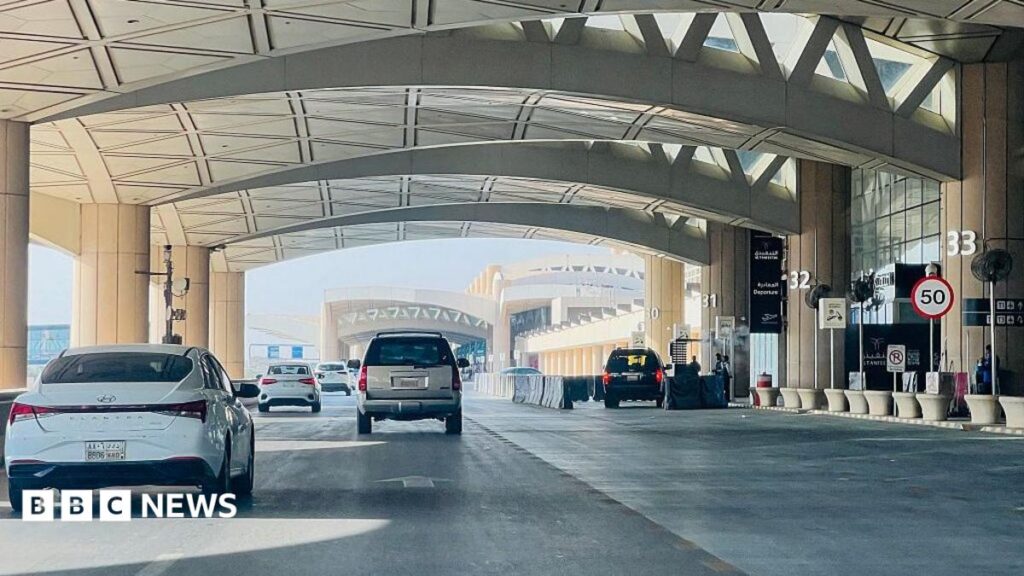
On 9 June 2026, early morning radar screens at Riyadh’s King Khalid International Airport recorded an unidentified aerial object approaching from the south‑west. Within minutes, air‑traffic controllers ordered an emergency evacuation of all terminals and the immediate suspension of arrivals and departures. Sources at the airport said that the alarm was triggered by a suspected drone, though the exact nature of the device remains unconfirmed.
Saudi state media later reported that the object exploded in a controlled demolition zone near the airport’s cargo apron, causing a fire that was quickly contained by emergency crews. No fatalities were confirmed, but dozens of passengers and airport staff were evacuated to temporary shelters on the airport’s perimeter. The incident came just a day after the Houthis claimed responsibility for two deadly attacks on Riyadh’s domestic terminal, which killed at least three people.
The Ministry of Interior announced a temporary closure of the airport for safety inspections and pledged a full investigation. International airlines rerouted flights to nearby King Abdulaziz International Airport in Jeddah, adding delays for travelers from Africa, Asia and Europe. The disruption coincided with the start of the peak travel window for the upcoming Hajj season, amplifying concerns about capacity constraints.
Why it matters: regional security, oil markets and global travel
The attack underscores the vulnerability of Saudi Arabia’s transport arteries, which are lifelines for the kingdom’s oil‑export economy. Analysts at Bloomberg note that any prolonged interruption at Riyadh’s main hub could ripple through the global oil market, as traders factor in heightened geopolitical risk when pricing crude from the Gulf.
Beyond oil, the incident threatens to erode confidence in the safety of Saudi air travel, a sector that has been a growth engine for the country’s Vision 2030 diversification plan. The World Bank estimates that Saudi aviation contributes roughly $12 billion to the national GDP each year; repeated disruptions could deter foreign airlines and investors from expanding routes to the kingdom.
The timing also raises questions about the Houthis’ strategic calculus. By striking just before the Hajj pilgrimage, the group may be aiming to pressure Saudi leadership on both political and economic fronts, leveraging the massive influx of pilgrims—many of whom travel from African nations—to amplify the impact of any security breach.
African connections: pilgrims, workers and trade routes
Approximately 2 million Muslims from Africa travel to Saudi Arabia annually for Hajj and Umrah, with Nigeria, Senegal and Tanzania ranking among the top source countries. The sudden evacuation at Riyadh forced many African travel agencies to scramble for alternative flights, often at higher prices, and raised concerns about the ability of the kingdom to accommodate the expected pilgrim surge later this year.
A sizable African diaspora works in Saudi Arabia’s construction, hospitality and logistics sectors, many of whom are employed at or near the Riyadh airport complex. According to a report by the African Union’s Department of Migration, an estimated 150 000 African nationals are stationed in the Riyadh metropolitan area, meaning that any prolonged security lockdown could affect their employment and remittance flows back home.
The attack also has indirect implications for African trade. Riyadh serves as a hub for cargo flights linking the Gulf to East and West Africa, especially for perishable goods like fresh produce and pharmaceuticals. Disruptions in cargo handling can delay shipments to African markets, potentially inflating prices for imported medicines and food items during a period when many countries are already grappling with inflationary pressures.
What’s next: diplomatic, security and economic responses
In the wake of the incident, Saudi Arabia has called an emergency meeting of the Gulf Cooperation Council (GCC) to coordinate a joint response to Houthi aggression. Sources say the kingdom is considering a limited expansion of its missile‑defence umbrella to cover key civilian airports, a move that would require additional funding and technical cooperation with the United States and European partners.
The United Nations has urged both sides to de‑escalate, with Secretary‑General António Guterres warning that attacks on civilian infrastructure violate international humanitarian law. Meanwhile, the United States has pledged to share real‑time intelligence with Riyadh to improve early‑warning capabilities, according to a statement from the Pentagon.
For African governments and travel operators, the priority now is contingency planning. Several ministries of foreign affairs in Nigeria and Kenya have issued advisories urging citizens to verify flight status before departing for Saudi Arabia and to register with their embassies in Riyadh. The episode may also accelerate discussions within the African Union on establishing a regional aviation safety fund to support member states facing similar security threats.
Quick Answers
Did the June 2026 attack on Riyadh airport cause any casualties?
No deaths were confirmed; authorities reported only injuries and the evacuation of dozens of passengers and staff.
How will the Riyadh airport attack affect African pilgrims heading to Hajj?
The disruption forced many African travel agencies to reroute flights, potentially increasing costs and creating capacity challenges for the upcoming pilgrimage season.
What steps is Saudi Arabia taking to prevent future airport attacks?
Saudi officials are considering expanding missile‑defence coverage to civilian airports and are working with U.S. and GCC partners on enhanced intelligence sharing.
Source: www.bbc.co.uk




💬 Comments 0