Riyadh airport attack kills 12, injures 300 including Sudanese worker – implications for Saudi‑US ties 2026
Background: A string of attacks on Saudi aviation
Over the past week, Saudi Arabia has seen a spate of violent incidents targeting its most vital transport hub, King Khalid International Airport. The first blast, reported on Saturday, set off alarms across the kingdom and prompted a rapid security overhaul at the sprawling complex that handles more than 30 million passengers annually. Analysts note that the timing coincides with heightened tensions in the Red Sea corridor, where Houthi missile strikes have already disrupted commercial shipping and raised concerns about the kingdom’s ability to protect critical infrastructure.
The Saudi government has blamed unnamed “terrorist elements” for the attacks, while Western intelligence services have hinted at possible links to regional proxy conflicts. Regardless of the perpetrators, the pattern of targeting high‑profile civilian sites marks a shift from previous attacks that focused primarily on oil facilities. This evolution signals a broader strategy aimed at undermining Saudi soft power and pressuring the kingdom’s diplomatic partners for concessions.
The Riyadh airport strike: what we know
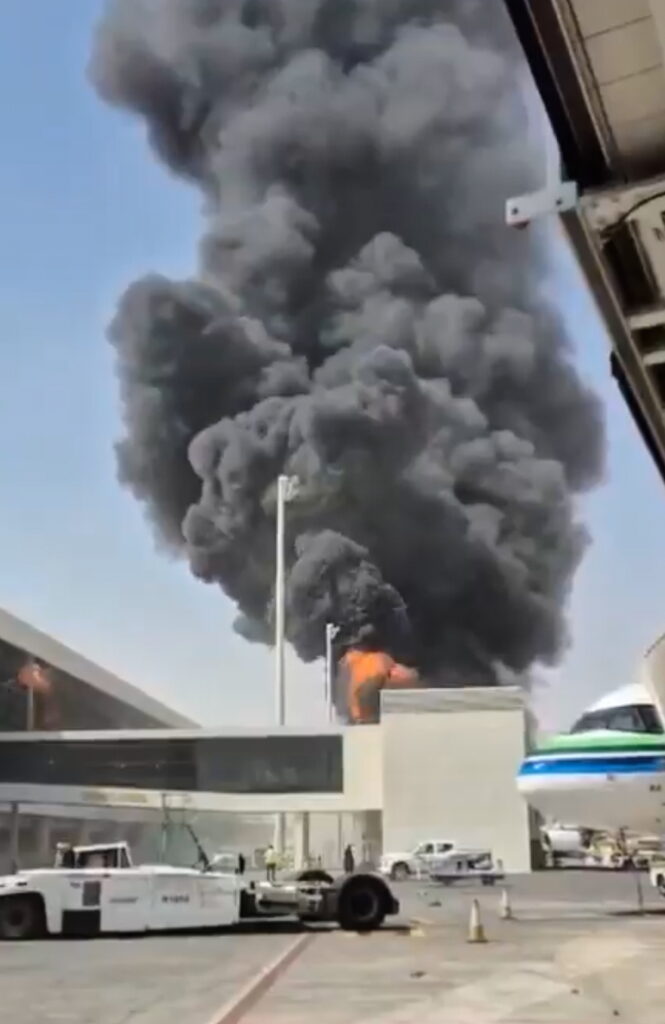
The latest explosion struck the main terminal of King Khalid International Airport on Saturday morning, killing 12 people and wounding more than 300, according to official Saudi statements. Victims included four Saudi citizens and a diverse group of foreign nationals: two Bangladeshis, a Palestinian, an American, an Egyptian, a Jordanian, a Syrian and a Sudanese citizen. Emergency services struggled to contain the chaos as smoke filled concourses and flights were grounded for hours. Hospital officials confirmed that several of the injured remain in critical condition, with the total death toll expected to rise as authorities continue to assess the damage.
Security footage released by the Ministry of Interior shows a small, concealed device detonated near a busy check‑in area. While the exact method of delivery has not been disclosed, experts suggest the bomb was likely smuggled in luggage, exploiting a brief lapse in screening protocols. The attack has reignited debate within Saudi security circles about the adequacy of current aviation safeguards and the need for more aggressive intelligence sharing with allies.
Why the casualties matter for African migrant workers
Among the dead and injured, the presence of a Sudanese national highlights a hidden dimension of the tragedy: the reliance of Gulf states on African migrant labor. Sudan, Egypt, and other African nations collectively supply over 2 million workers to Saudi Arabia, many of whom are employed in construction, domestic service and low‑skill airport roles. The loss of a Sudanese airport employee underscores how these workers, often overlooked in diplomatic discussions, become collateral in geopolitical confrontations.
Remittances from Gulf‑based African migrants account for a sizable share of household income back home—roughly 12 % of Sudan’s foreign exchange earnings in 2025, according to the World Bank. A spike in fatalities or injuries among this cohort could dampen labor supply, raise recruitment costs, and ultimately shrink the flow of money that fuels local economies in Khartoum, Cairo and other African capitals. Moreover, the incident may prompt African governments to press Saudi authorities for stronger safety guarantees for their nationals working abroad.
Regional and global ripple effects
The attack arrives at a moment when Saudi Arabia is courting deeper military cooperation with the United States and European partners. Officials in Washington have already signalled a willingness to accelerate arms sales and joint training programs, a move that could reshape the balance of power in the Gulf. Analysts warn that a rapid escalation of foreign military involvement may provoke retaliatory strikes from Iran‑aligned groups, further destabilising the already volatile Red Sea shipping lanes that are vital for African exporters of oil, minerals and agricultural products.
Oil markets reacted immediately, with Brent crude edging up 0.6 % as traders priced in the risk of supply disruptions. For African oil‑exporting nations such as Nigeria and Angola, any prolonged volatility in Saudi output can translate into lower revenues and weaker fiscal buffers. Likewise, the heightened security climate may affect airline routes connecting African capitals to the Middle East, potentially raising ticket prices and limiting travel options for business travelers and diaspora families.
What comes next for Saudi security and foreign partners
In the wake of the Riyadh strike, Saudi Arabia is expected to roll out a multi‑layered security response. The Ministry of Interior has announced the deployment of additional counter‑terrorism units at all major airports and the acceleration of biometric screening technologies. Meanwhile, the kingdom is likely to submit a formal request to the United States for expedited delivery of advanced missile‑defence systems, a demand that could be bundled with broader negotiations on energy pricing and regional stability.
For African stakeholders, the next steps will involve diplomatic outreach to ensure the safety of their citizens and the continuity of labor flows. Embassies in Riyadh are already issuing travel advisories and urging workers to register with consular services. In the longer term, the incident may catalyse a regional dialogue on protecting migrant workers in conflict‑prone zones, an agenda that African Union officials have hinted could be placed on the agenda of the upcoming Gulf‑Africa economic summit.
Quick Answers
How many people were killed in the Riyadh airport attack?
Official Saudi reports say 12 people died in the explosion at King Khalid International Airport.
Which African national was among the victims?
A Sudanese citizen working at the airport was listed among those killed.
What impact could the attack have on African migrant workers in Saudi Arabia?
It could lead to tighter security checks, higher recruitment costs and pressure on Saudi authorities to improve safety for African laborers.
Source: www.npr.org




💬 Comments 0