Romania shuts Cernavodă nuclear plant as Danube level drops 30% in August 2026
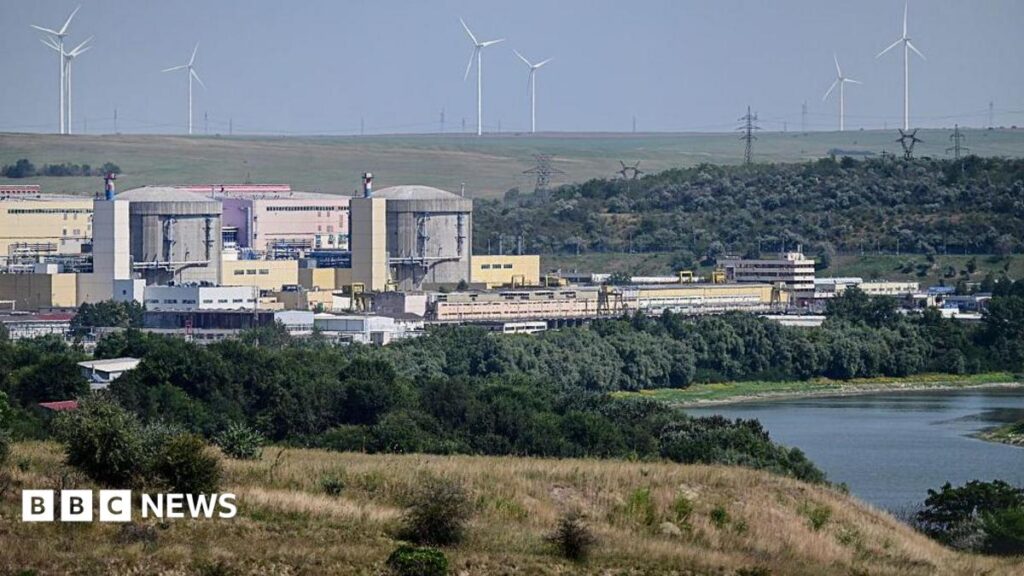
Why Cernavodă matters for Romania and Europe
Cernavodă is Romania’s only nuclear facility and supplies roughly one‑fifth of the country’s electricity. Its twin CANDU reactors have been a cornerstone of the national grid since the late 1990s, providing baseload power that balances intermittent renewables like wind and solar. Because the plant sits on the Danube’s banks, it also plays a strategic role in regional electricity markets, exporting surplus power to Serbia, Bulgaria and Hungary during low‑demand periods.
Beyond national borders, the plant contributes to the European Union’s goal of decarbonising the energy sector. The EU’s 2030 climate targets count on nuclear as a low‑carbon source, and Cernavodă’s output helps offset the bloc’s reliance on coal and gas. When the plant is offline, the shortfall must be covered by fossil‑fuel generators or costly imports, nudging the EU’s overall emissions upward at a time when climate commitments are under intense scrutiny.
Heatwave, river levels and the forced shutdown
A prolonged heatwave in Central and Eastern Europe this August pushed Danube water levels down by about 30 percent, according to measurements from the International Commission for the Protection of the Danube River. The river supplies the cooling water needed for Cernavodă’s reactors, and the plant’s safety protocols require a minimum flow to prevent overheating of the turbine condensers.
When the flow fell below the critical threshold, operators invoked an emergency shutdown to avoid thermal stress on the reactors. The decision was confirmed by Romania’s National Regulatory Authority for Nuclear Activities, which said the plant would remain offline for at least ten days while water levels are monitored and alternative cooling arrangements are evaluated.
Immediate fallout for consumers and the grid
The sudden loss of 20 percent of Romania’s generation capacity sent a ripple through the national grid. Electricity prices on the Romanian Power Exchange spiked by roughly 45 percent within hours, a surge that utilities passed on to households and industrial users. For the diaspora community living in Bucharest and other major cities, the price hike translates into higher monthly bills at a time when many are already coping with inflation.
To keep the lights on, the Romanian grid operator, Transelectrica, called on neighboring countries for emergency electricity imports. Serbia and Hungary responded with short‑term supplies, but the cross‑border flows strained regional transmission lines already operating near capacity. The episode also forced Romanian power plants that run on natural gas to increase output, reviving emissions that the country had been trying to cut since 2022.
What the shutdown signals for Europe and Africa
Cernavodă’s outage highlights a growing vulnerability: nuclear plants that depend on river water are increasingly exposed to climate‑driven hydrological extremes. Analysts at the European Climate Foundation warn that similar shutdowns could become more frequent across the continent, prompting a reassessment of how much baseload capacity can safely rely on freshwater sources.
For African markets, the European energy squeeze has indirect consequences. The EU’s short‑term need for gas imports to replace nuclear output opens a window for African gas exporters, especially Nigeria’s LNG sector, to negotiate higher‑volume contracts. At the same time, higher European electricity prices make renewable projects in Africa—such as solar farms exporting power via the Mediterranean—more attractive to investors seeking stable returns in a volatile market.
Looking ahead: restoration plans and policy lessons
Romanian authorities have outlined a three‑step plan to bring Cernavodă back online: first, continuous monitoring of Danube flow; second, the deployment of mobile cooling units that can operate with lower water volumes; and third, a review of the plant’s emergency protocols to incorporate climate‑risk scenarios. The timeline remains uncertain, but officials say a tentative restart could be possible after the river’s level stabilises in late September.
The episode is prompting policymakers in both Europe and Africa to rethink energy resilience. In Brussels, the European Commission is expected to propose stricter guidelines for water‑intensive power generation, while African energy ministries are using the case to argue for diversified baseload options—ranging from geothermal in East Africa to small‑modular reactors that can be cooled by air or seawater. For the African diaspora in Europe, the short‑term price shock underscores the importance of energy‑efficiency measures and community advocacy for greener, more affordable power.
Quick Answers
Why was Romania's Cernavodă nuclear plant shut down in August 2026?
The plant was forced offline because a severe heatwave lowered Danube River water levels by about 30%, dropping below the minimum flow needed for reactor cooling.
How does the shutdown affect electricity prices in Romania?
Power prices on the Romanian exchange rose roughly 45% within hours as the grid sought costly imports and higher‑output gas plants to replace the lost nuclear capacity.
What could the shutdown mean for African energy markets?
Europe’s need for extra gas to cover the shortfall could boost demand for African LNG, while higher EU electricity prices make African renewable export projects more financially appealing.
Source: www.bbc.co.uk




💬 Comments 0