Ronaldo rested for Al Nassr’s ACL match in Uzbekistan amid Saudi security worries 2026
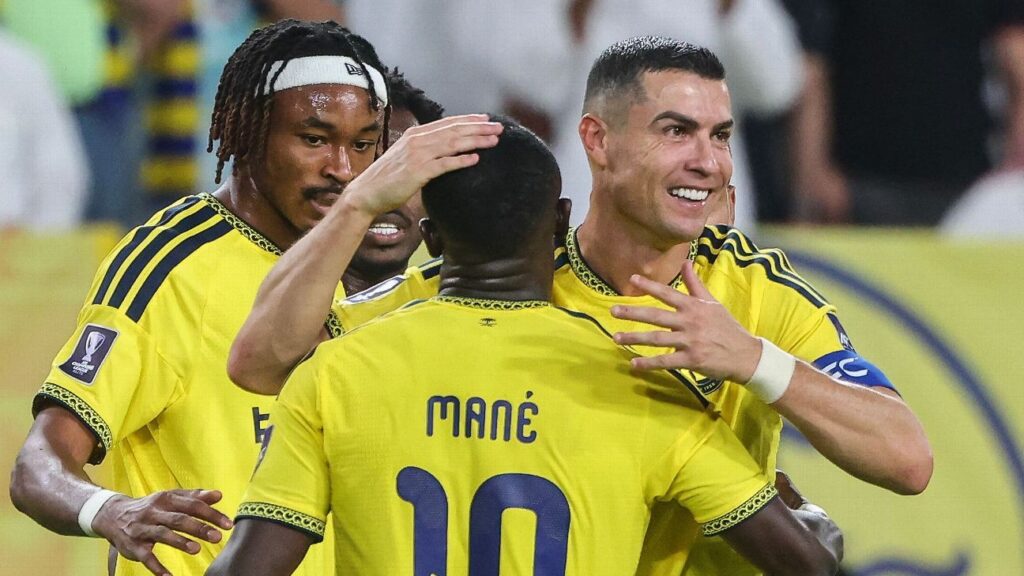
Background: Ronaldo, Al Nassr and the AFC Champions League
When Cristiano Ronaldo signed for Al Nassr in late 2022, the move was billed as a game‑changer for the Saudi Professional League and the wider Asian football scene. The Portuguese star brought unprecedented global attention, driving TV ratings, sponsorship deals and social media buzz across the continent. Al Nassr, backed by the Saudi Public Investment Fund, has since become a flagship club in the AFC Champions League (ACL), the premier club competition in Asia that pits the best teams from the Gulf, East Asia, and Central Asia against each other.
The 2026‑27 ACL format was revised to include a group stage in neutral venues, a response to travel restrictions and political tensions that have disrupted the tournament in recent years. Uzbekistan was selected as one of the host nations for the group phase, offering modern stadiums and a relatively stable security environment. However, the competition still reflects the broader volatility in the region, where diplomatic disputes, internal unrest and occasional security alerts can affect match logistics.
Why Ronaldo was left out: security concerns in Saudi Arabia
Al Nassr announced on 30 October 2026 that Ronaldo would sit out the upcoming ACL trip to Uzbekistan, citing “ongoing security considerations” in Saudi Arabia. The club’s statement did not detail the precise threat, but sources close to the Saudi Football Federation told Reuters that heightened alert levels around the capital Riyadh and increased scrutiny at international airports were prompting a precautionary approach for high‑profile players.
Ronaldo’s global profile makes him a potential target for both physical threats and cyber‑harassment. In the past year, Saudi authorities have faced several incidents involving protestors at sporting venues and a series of coordinated online smear campaigns aimed at foreign athletes. By resting Ronaldo, Al Nassr hopes to avoid any incident that could draw negative headlines and jeopardise the club’s reputation ahead of a crucial ACL group match.
Implications for Al Nassr’s ACL campaign
From a purely sporting perspective, Ronaldo’s absence removes a 38‑year‑old forward who still averages a goal every 90 minutes in the Saudi league. While Al Nassr has built a deep squad around younger talents like Salem Al‑Dawsari and Brazilian striker Romarinho, the Brazilian’s chemistry with Ronaldo on the wing has been a key factor in the club’s domestic dominance. Analysts at Goal Africa predict that without the Portuguese star, Al Nassr’s attacking fluidity could dip, potentially costing them vital points in the tightly contested Uzbek group.
Beyond the pitch, the decision signals a shift in how clubs manage risk in the modern football economy. Sponsors such as Nike and STC (Saudi Telecom) have invested heavily in Ronaldo’s image rights, and any security incident could trigger contractual penalties. By opting for caution, Al Nassr protects its commercial partnerships, but it also raises questions about the club’s reliance on a single marquee name to drive revenue.
African players, markets and the ripple effect
Saudi Arabia’s football boom has attracted a wave of African talent over the last five years, from Nigerian striker Victor Osimhen’s short‑term loan to Al Ahli in 2024 to Ghanaian midfielder Thomas Partey’s permanent move to Al Hilal in 2025. These players are now central to the league’s competitiveness and its exportable brand. Ronaldo’s sidelining could indirectly affect them, as media attention often pivots around the Portuguese star, limiting exposure for African teammates during high‑profile ACL fixtures.
Moreover, African broadcasters such as SuperSport and Canal+ Afrique have secured rights to stream Saudi league matches, banking on the draw of African players and Ronaldo’s global fame. A reduced spotlight on the ACL group stage may lead to lower viewership numbers, influencing advertising rates and future rights negotiations. For diaspora fans in Europe and North America, the ACL has become a rare opportunity to watch African players in a different competitive context; a muted tournament could diminish that connection.
Geopolitics, security and the future of Asian club football
The situation mirrors a broader pattern where geopolitics intersect with sport. In 2023, the AFC postponed matches in Iraq due to civil unrest, and in 2025, a scheduled knockout round in Qatar was moved after diplomatic tensions with neighboring states escalated. These disruptions have forced clubs to reassess travel protocols, insurance premiums and player welfare policies.
For African football administrators, the trend is a cautionary tale. The Confederation of African Football (CAF) has been negotiating joint security standards with the AFC to facilitate smoother inter‑continental friendlies and club exchanges. If security concerns continue to dictate squad selections, African clubs eyeing ACL participation—such as future potential entrants from North Africa—may need to invest in more robust contingency planning.
What’s next: scenarios for Ronaldo, Al Nassr and the ACL
In the short term, Al Nassr is expected to field a line‑up that leans on its domestic stars and the club’s newly signed Kenyan winger, Victor Wanyama, who has impressed in the Saudi Cup. The team will likely adopt a more pragmatic, possession‑based approach to compensate for the loss of Ronaldo’s directness. If the club progresses beyond the group stage, the Saudi Football Federation may revisit security protocols, possibly allowing Ronaldo to re‑enter the squad for the knockout rounds.
Long‑term, the episode could accelerate discussions about a neutral‑venue “hub” model for the ACL, similar to UEFA’s recent proposals for a summer tournament in a single country. Such a model would reduce travel‑related risks and create a more predictable commercial package for broadcasters, including African networks. For Ronaldo, the episode may simply be another reminder that even the most celebrated athletes must navigate the complex security landscape of modern football.
Quick Answers
Why was Cristiano Ronaldo rested for Al Nassr's ACL match in Uzbekistan?
Al Nassr cited ongoing security concerns in Saudi Arabia, including heightened alerts around travel and potential threats to high‑profile players.
How could Ronaldo's absence affect African players in the Saudi league?
Reduced global attention may limit media exposure for African teammates, potentially impacting broadcast revenue and sponsorship deals linked to their performances.
What does this decision mean for the future of the AFC Champions League?
It highlights security as a key factor in squad selection and could push the AFC toward a neutral‑venue hub format to ensure player safety and commercial stability.
Source: www.espn.com




💬 Comments 0