Ronaldo retires from Portugal after bust‑up with coach Jorge Jesus in 2026
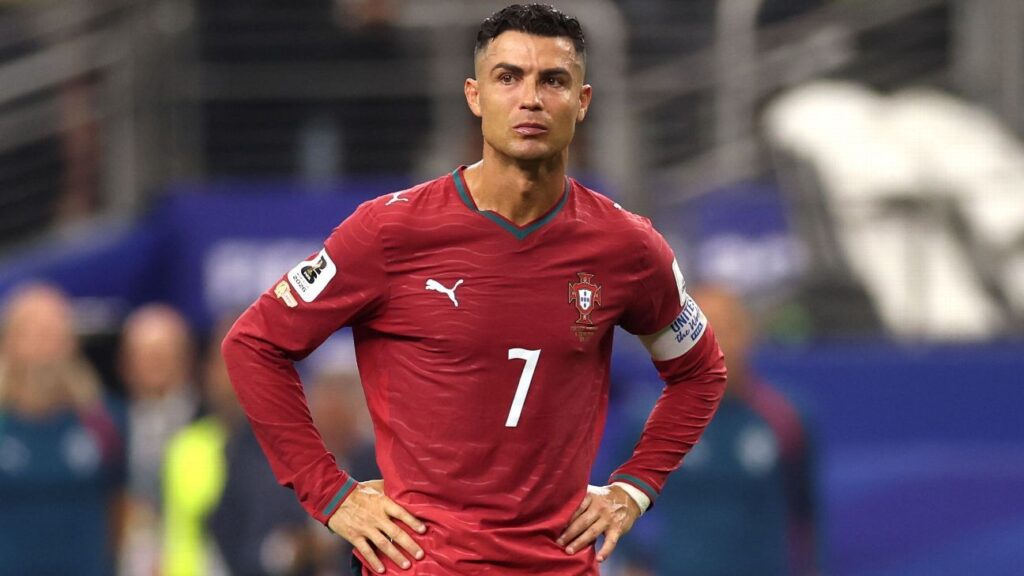
A storied international career comes to an abrupt end
Cristiano Ronaldo walked onto the pitch for Portugal 196 times, scoring 115 goals and lifting Euro 2016 and the 2019 Nations League. His presence turned the national team into a global brand, drawing sponsorships that stretched from European car makers to African telecom firms.
The 41‑year‑old forward announced his retirement on Tuesday, citing an irreconcilable difference with head coach Jorge Jesus, who took over the role in early 2024. The decision was confirmed in a brief video statement posted on Ronaldo’s official channels, where he thanked fans and said he would “always be a Portuguese lion at heart.”
Ronaldo’s exit arrives just months before the start of the Euro 2028 qualifying campaign, leaving Portugal without its most recognizable player and a key commercial draw. The timing has sparked debate among analysts about whether the move is a personal protest or a strategic step toward a new chapter in his career.
The coach‑player clash that triggered the retirement
Reports from Portuguese sports outlet A Bola indicate that the rift began during a training session in Lisbon, when Jesus reportedly asked Ronaldo to sit out a friendly to protect his fitness for upcoming qualifiers. Ronaldo, who has always guarded his playing minutes, allegedly responded with a heated argument that escalated into a public disagreement.
According to Sky Sports, the disagreement spilled onto social media, with fans and former teammates posting supportive messages for both sides. Jesus, in a press conference the following day, said he respects Ronaldo’s legacy but must “make decisions that serve the collective good of the squad.”
Sources close to the Portuguese Football Federation (FPF) say the fallout was not merely about a single training incident but reflected deeper tensions over squad selection, tactical philosophy, and the role of veteran stars in a team increasingly built around younger talent.
What Portugal’s Euro 2028 hopes look like without Ronaldo
The immediate concern for the FPF is the loss of a goal‑scoring machine and a charismatic leader on the field. While Portugal still boasts a deep pool of talent—players like João Félix, Bruno Fernandes and the emerging Gonçalo Ramos—analysts warn that the team’s marketability and morale could dip without Ronaldo’s global pull.
Euro 2028 qualifiers begin in March 2027, giving the new coach a narrow window to restructure tactics. Football strategist Jonathan Wilson, writing for The Guardian, suggests that Portugal may shift to a more fluid, possession‑based system that reduces reliance on a single striker, a move that could benefit younger forwards but also risk short‑term results.
The financial implications are also significant. Ronaldo’s image is tied to several sponsorship deals that funnel money into the national team’s budget. Without his branding power, the FPF may need to renegotiate contracts with partners such as Nike and Qatar Airways, potentially affecting funding for grassroots programs.
Why the retirement matters for African football and markets
Ronaldo’s brand has long resonated across Africa, where his Portuguese‑Brazilian heritage and charitable work—particularly the 2022 “Ronaldo 4 Children” initiative in Ghana—have built a loyal fanbase. African telecom giants like MTN and Safaricom have used his likeness in campaigns that boost data sales and promote youth sports programs.
The sudden void in Ronaldo’s African‑focused endorsements opens space for emerging African stars to fill the gap. Players such as Nigeria’s Victor Osimhen, who signed a multi‑year deal with a leading African bank in early 2026, are now positioned to become the continent’s next commercial front‑runners, potentially redirecting advertising spend toward home‑grown talent.
Moreover, the departure underscores a broader trend: African‑born or diaspora players increasingly shaping European national teams. Portugal’s squad already includes several African‑origin athletes—like midfielder Vitinha (of Angolan descent) and defender Raphaël Guerreiro (born in France to Portuguese parents). Ronaldo’s exit may accelerate discussions about how African football pipelines feed into European powerhouses, prompting the Confederation of African Football (CAF) to lobby for stronger talent‑development partnerships.
What’s next for Ronaldo and the future of Portuguese football
Ronaldo hinted that retirement from international duty does not signal the end of his playing career; he remains under contract with Al‑Nassr in Saudi Arabia until 2027 and has expressed interest in coaching or ambassadorial roles. Industry insiders speculate that he could become a global brand ambassador for the FPF, helping to maintain his commercial link to Portuguese football without stepping onto the pitch.
For the national team, the challenge will be to re‑brand around a collective identity rather than a single superstar. The FPF has already announced a youth‑development summit scheduled for early 2027, aiming to fast‑track talents from the Lusophone African diaspora. If successful, Portugal could emerge as a model for integrating African‑born players into European squads, a narrative that may inspire other federations across the continent.
Finally, Ronaldo’s retirement may influence how other footballing nations manage star‑player relationships. Recent retirements of Lionel Messi (Argentina, 2025) and Karim Benzema (France, 2024) after disputes with coaching staff set a precedent that federations must balance individual egos with team cohesion, especially as the sport becomes more data‑driven and less reliant on marquee names.
Quick Answers
Why did Cristiano Ronaldo retire from Portugal?
He announced retirement after a public fallout with coach Jorge Jesus over playing time and team strategy.
How will Ronaldo's retirement affect Portugal's Euro 2028 qualifiers?
Portugal loses a key goal scorer and commercial icon, forcing the team to adjust tactics and renegotiate sponsorship deals.
What impact does Ronaldo's exit have on African football markets?
It opens endorsement opportunities for African stars and highlights the growing influence of African‑born players in European squads.
Source: www.espn.com




💬 Comments 0